Trailhead notes Hiking during hunting season requires outfitting both handler and canine in fluorescent blaze orange, keeping dogs on strict physical leads, and consulting state wildlife agency season calendars. Handlers should choose non-hunting public lands such as National Parks, attach an audible bell to the dog harness, and remain on established trail centerlines.
Autumn brings crisp mountain air, colorful foliage, and active wildlife movement across public forests. It also marks the opening of major regional archery, muzzleloader, and firearm hunting seasons. Hikers sharing public lands with sportsmen must adopt deliberate visibility measures and understand jurisdictional property regulations. Safety requires foresight.
Domestic dogs share physical silhouettes, movements, and coat colors with native game animals like white-tailed deer, coyotes, and wild turkeys. In dense underbrush, a brown or tan dog running off leash can easily be mistaken for target wildlife. By understanding game calendars, wearing high-visibility gear, and staying on marked paths, dog owners can safely enjoy public trail systems throughout the autumn and winter months.
- Blaze Orange Is Mandatory: Both handlers and canines must wear high-visibility hunter orange visible from all angles across three hundred sixty degrees.
- Strict Physical Leashing Saves Lives: An unrestrained canine running through brush creates sounds and motion that mimic game animals.
- Public Land Rules Vary: National Parks generally prohibit hunting, while National Forests and State Wildlife Management Areas permit active hunting seasons.
- Sunday Hiking Is Often Safer: Several eastern states restrict or ban Sunday hunting on public lands, providing dedicated days for trail recreation.
- Trapping Awareness Is Essential: Stay on marked trail centerlines to prevent curious dogs from stumbling into legally placed ground traps.
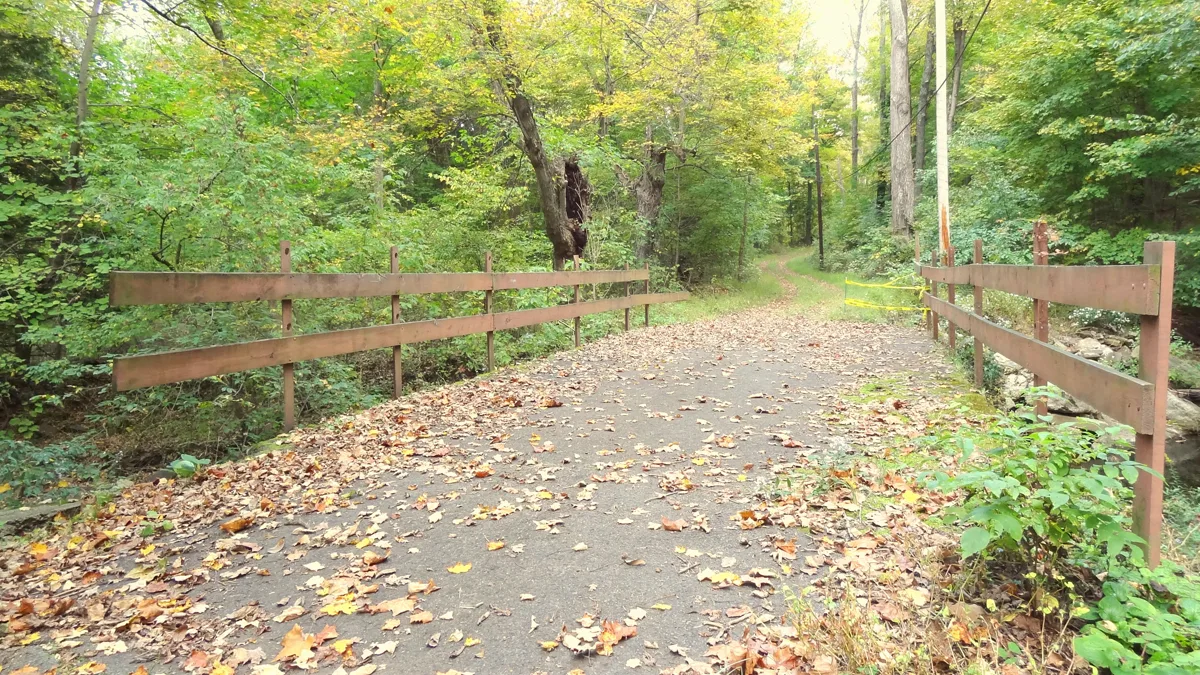
How to Prepare for Hiking During Hunting Season on Trails?
Preparing for hiking during hunting season requires checking state wildlife department administrative portals and wearing high-visibility safety clothing. State fish and game agencies establish specific calendar dates for small game, archery deer, muzzleloader, and regular firearm seasons. These dates change annually based on wildlife population surveys and conservation quotas.
Never assume that woodlands are free from hunting activity simply because the weather is warm. Early archery seasons for deer and black bear frequently open in September, followed by small game seasons for grouse and squirrel. High-intensity regular firearm seasons for deer typically occur in November and December. Every state publishes a comprehensive annual hunting digest online, as verified on official state agency portals including the Pennsylvania Game Commission and Virginia Department of Wildlife Resources (checked November 2026).
Public recreation areas often display seasonal warning notices at primary trailheads and parking lots. Check bulletin boards. However, trailheads on remote national forest roads may lack updated physical signage. Handlers should consult state wildlife maps before leaving home to determine whether their planned route passes through an active Wildlife Management Area or open public hunting tract. Reviewing foundational trails and parks guidelines ensures compliance across jurisdictions.
Be aware of prime hunting hours. The highest concentration of hunting activity occurs during dawn and dusk when game animals are actively feeding and traveling. If hiking during firearm season, schedule your outings during midday hours between ten in the morning and two in the afternoon when hunter activity is typically lowest.
| Public Land Classification | Hunting Permitted? | Standard Canine Leash Regulation | Regulatory Authority Source |
|---|---|---|---|
| National Park Service Units | Prohibited in most units (36 CFR § 2.2); limited exceptions in national preserves. | Mandatory 6-foot physical lead (36 CFR § 2.15). | National Park Service Regulations (checked November 2026) |
| U.S. Forest Service Parcels | Permitted under state hunting regulations and seasons across most forest tracts. | Physical leash in developed sites; voice or physical control on trails. | U.S. Forest Service Multiple-Use Mandate (checked November 2026) |
| State Wildlife Management Areas | Primary purpose is wildlife management and public hunting; heavy seasonal use. | Physical leash mandatory during active open hunting seasons. | State Wildlife Agency Administrative Codes (checked November 2026) |
| State Parks (Varies by State) | Restricted or prohibited in developed recreation zones; allowed in designated park tracts. | Mandatory 6-foot physical lead across all park property. | State Department of Conservation Codes (checked November 2026) |
Source: National Park Service, United States Forest Service, and State Wildlife Conservation Agency Regulations (checked November 2026).
What Blaze Orange Gear Protects Dogs and Handlers?
Essential safety gear requires equipping your pet with a fluorescent orange vest for dog safety, a blaze orange collar, and an audible metal bear bell. Handlers must also wear a minimum of two hundred fifty to five hundred square inches of solid blaze orange clothing covering the head, chest, and back.
Standard woodland camouflage or neutral earth-tone clothing blends directly into dead leaves, brush, and tree trunks. Fluorescent blaze orange does not occur naturally in forest ecosystems, providing an immediate visual signal that distinguishes humans and domestic pets from game. Outfitting your companion with dedicated blaze orange for dogs ensures visibility even when the animal moves behind low brush or dips into a shallow ravine.
Choose a canine safety vest made from durable, tear-resistant ripstop nylon. The vest should feature broad side panels, adjustable chest straps, and wide retroreflective stripes for low-light visibility. Avoid minimalist orange bandanas, which can twist around the neck or become obscured by dense fur. Sturdy construction matters.
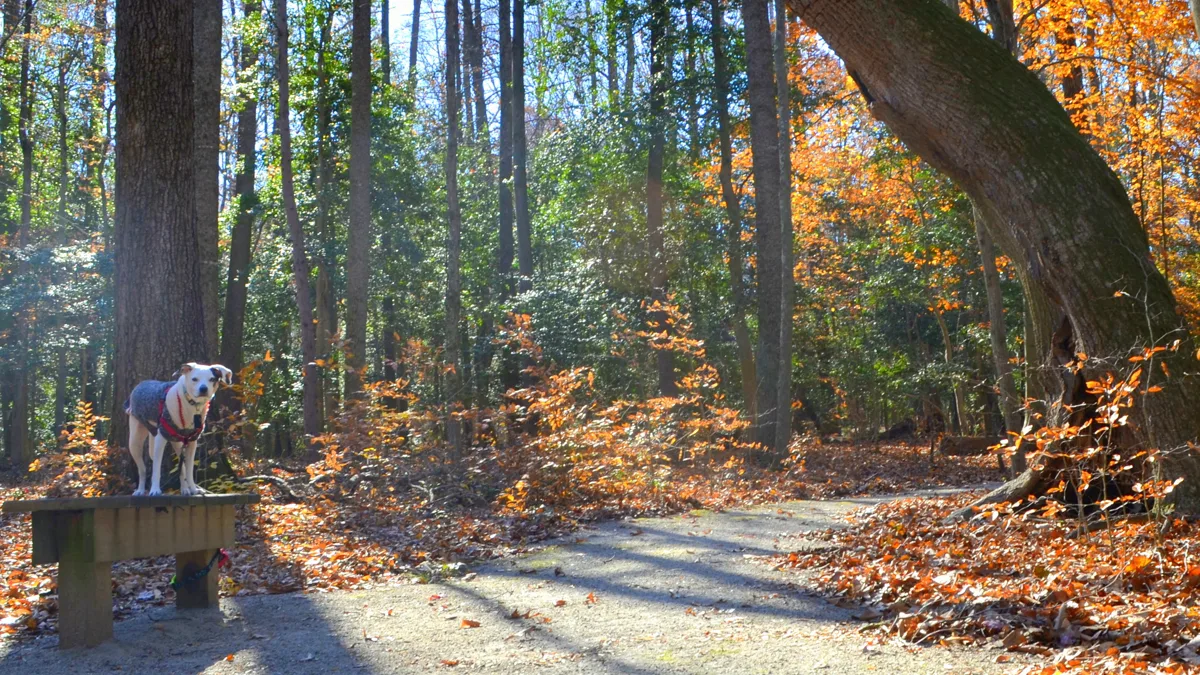
In addition to a high-visibility vest, attach an audible copper or steel bell to the dog harness. The rhythmic ringing sound of a trail bell alerts hunters that a domestic pet and handler are approaching down the path long before visual contact is established. Handlers should also carry a bright headlamp or flashlight when returning near dusk.
Where Is Hunting Prohibited on Public Recreation Lands?
Handlers seeking complete peace of mind can choose public recreation lands where hunting is strictly prohibited by federal or state law. According to federal regulations codified in 36 CFR § 2.2 (checked November 2026), the National Park Service bans the taking of wildlife across the vast majority of National Parks, National Historic Parks, and National Monuments.
National Park properties like Shenandoah National Park, Acadia National Park, and Cuyahoga Valley National Park offer safe sanctuary trails where hunting does not occur. Hikers must still comply with standard park leash rules and keep pets on paved paths or designated dog-friendly trails. Exploring the dog friendly national parks guide provides details on accessible routes.
Municipal watershed reserves, county nature preserves, and non-profit conservation land trusts frequently prohibit hunting on their recreation trails. These regional preserves maintain well-marked perimeter boundaries and restrict access to non-motorized passive recreation. Contact the local municipal park district or county conservation board to confirm property regulations before setting out.
State park systems maintain varying regulations. In many eastern and midwestern states, core state park zones around lakes, campgrounds, and primary nature trails remain closed to hunting, while remote perimeter acreage may permit managed seasonal deer reduction hunts. Check the official park map to identify safe non-hunting boundaries.
How Do State Sunday Hunting Laws Affect Trail Safety?
State Sunday hunting regulations significantly influence trail safety for autumn hikers. In several eastern states, historical conservation statutes restrict or prohibit hunting on Sundays on public lands, creating designated days when hikers and dog walkers can use multi-use trails with minimal risk of encounter.
States such as Pennsylvania, Maryland, Virginia, and Maine enforce specific limitations on Sunday hunting. For example, the Pennsylvania Game Commission allows hunting on only three designated Sundays per calendar year, while keeping all remaining Sundays closed to general public game hunting, as published on the Pennsylvania Game Commission regulatory portal (checked November 2026). Virginia similarly restricts public land Sunday hunting while permitting it on private lands with landowner permission.
Taking advantage of non-hunting Sundays allows handlers to explore mixed-use state forests and game lands with increased confidence. Always verify current state statutory provisions, as state legislatures periodically review and adjust Sunday hunting allowances. Stay informed.
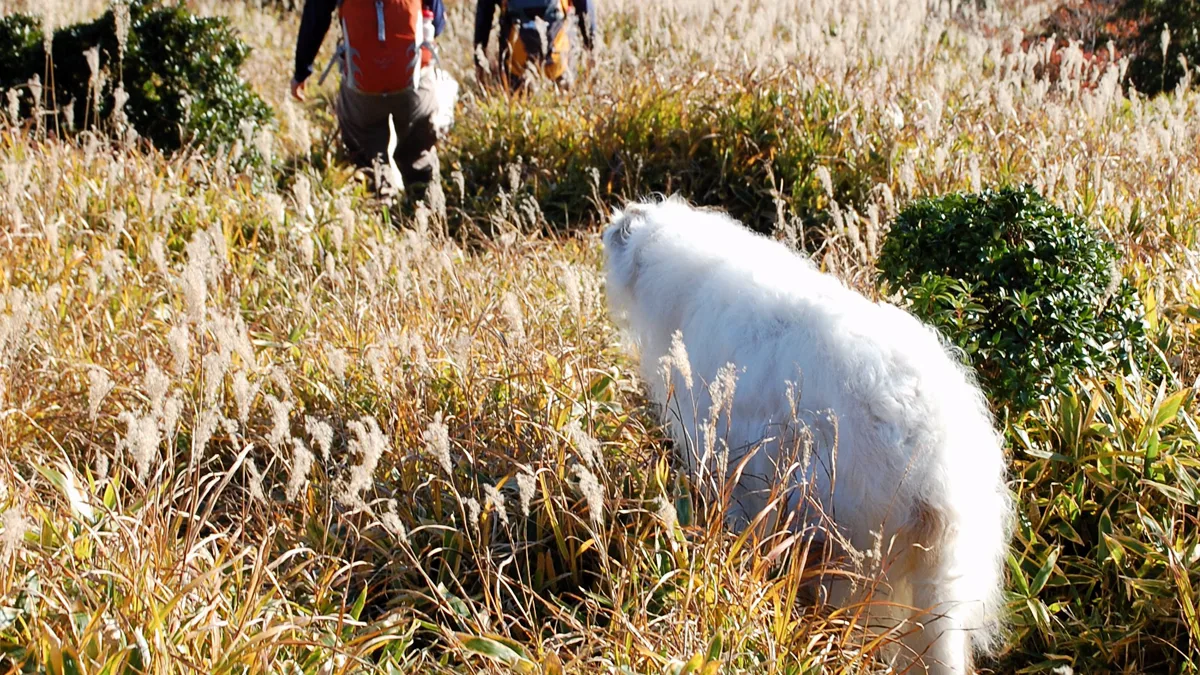
Even on non-hunting Sundays, maintaining full blaze orange gear and keeping dogs on a sturdy six-foot lead remains best practice. Poaching, unpermitted target practice, or archery practice can still occur illegally on remote public tracts.
Which Trapping Hazards Exist on Multi-Use Public Lands?
Public multi-use parcels, state forests, and Wildlife Management Areas frequently permit licensed furbearer trapping during late autumn and winter. Legal traps include foothold traps, body-gripping traps, and cable snares set for coyotes, foxes, raccoons, and beavers. Handlers must understand how to avoid trapping zones and protect their pets.
State trapping regulations require traps to be set away from public road centerlines and developed recreation facilities. However, curious dogs exploring off leash can easily detect scent lures and bait stations placed near creek banks, game trails, and wetland borders. A dog that steps into a legal foothold trap faces severe tissue injury and intense distress.
The single most effective defense against trapping encounters is maintaining a physical six-foot non-retractable leash. Keeping your canine on the established trail tread prevents the animal from investigating scented bait sets hidden in adjacent thickets. Adhering to general hiking with dogs standards ensures handler and pet stay on safe terrain.
Carry a multi-tool or pair of heavy cable cutters in your daypack when hiking in active trapping zones. If a companion animal accidentally encounters a trap, remain calm, wrap a jacket over the dog’s head to prevent fear-biting, and depress the trap release springs to open the jaws. Seek veterinary care immediately to evaluate the paw for ligament or bone damage.
Essential Autumn Hunting Season Trail Checklist
- Blaze Orange Canine Vest: High-visibility ripstop vest with reflective side bands.
- Blaze Orange Canine Collar: Fluorescent waterproof collar with secure ID tags.
- Trail Safety Bell: Audible metal bell attached to the dog harness ring.
- Handler Blaze Orange Vest and Hat: Providing at least two hundred fifty square inches of visibility.
- Six-Foot Sturdy Webbing Leash: Non-retractable physical lead for constant control.
- State Game Agency Digest Map: Digital or printed map showing active hunting zones and season dates.
- Multi-Tool with Wire Cutters: Packed for emergency trap release assistance if needed.
- High-Intensity Flashlight: For safe trail visibility during early morning or dusk returns.
Before you load the car
Is it safe to hike with a dog during rifle deer season?
Hiking during rifle deer season is safe if handlers choose non-hunting public lands like National Parks or stick to Sundays in states that prohibit Sunday hunting. If hiking on multi-use lands, both handler and dog must wear complete blaze orange coverage and stay strictly on main trail centerlines.
Why are bells useful for dogs during hunting season?
Audible bells create a distinct, rhythmic metallic sound that alerts hunters of an approaching human and canine long before visual contact is made. This sound prevents sudden surprise encounters in thick underbrush where visibility is limited.
Are dogs allowed off leash on state game lands during hunting season?
No. Most state wildlife agencies require dogs to be leashed on state game lands and wildlife management areas, except for actively licensed hunting dogs engaged in authorized sporting activity during open season.
What color should my dog wear if blaze orange is unavailable?
Fluorescent neon pink or bright high-visibility neon yellow are acceptable alternatives that do not occur in nature. Never dress a dog in white, brown, tan, black, or red gear, as these colors mimic deer tails, bear coats, or turkey plumage.
What should a handler do if they hear gunshots nearby on the trail?
Speak in a clear, loud human voice or sing to announce your presence on the trail. Keep your dog close on a short lead, stay on the marked path, and calmly walk back toward the trailhead away from the direction of gunfire.
Park and trail rules are checked against official park and land-agency pages, which change often; health advice is left to veterinarians. How We Researched This Guide: We consulted state wildlife agency hunting digests, National Park Service recreation regulations, and Appalachian Trail Conservancy safety guidelines.