Field notes Successful backpacking with dog companions requires limiting pack weight to ten to fifteen percent of body weight, increasing daily food calories by thirty to fifty percent, and carrying dedicated canine first-aid supplies. Handlers must filter all trail water, insulate pets off cold ground inside tents, and practice strict Leave No Trace waste disposal.
Venturing deep into remote backcountry wilderness with your dog transforms an ordinary camping trip into an unforgettable alpine partnership. Crossing mountain passes, navigating pristine alpine forests, and sharing a tent beneath star-filled skies deepens the bond between handler and canine. However, multi-day wilderness trekking introduces serious environmental demands that require meticulous planning and disciplined execution.
Unlike short day hikes where veterinary care is only an hour away, backpacking trips place you miles from the nearest road. Managing canine hydration, preventing orthopedic strain, securing food rations against wildlife, and protecting paw health are vital survival responsibilities. Following a comprehensive wilderness checklist ensures both you and your trail dog remain safe, energized, and self-sufficient throughout your mountain journey.
- Strict Pack Limits: Fully conditioned adult dogs should carry no more than ten to fifteen percent of their total body weight, including pack fabric.
- Caloric Multiplication: Active trail dogs burning energy on steep ascents require thirty to fifty percent more calories than standard resting intake.
- Water Safety Rule: Always filter or purify stream water for your dog to prevent severe giardia and cryptosporidium infections.
- Tent Insulation: Pack a lightweight closed-cell foam pad to insulate your dog from freezing ground temperatures inside the tent at night.
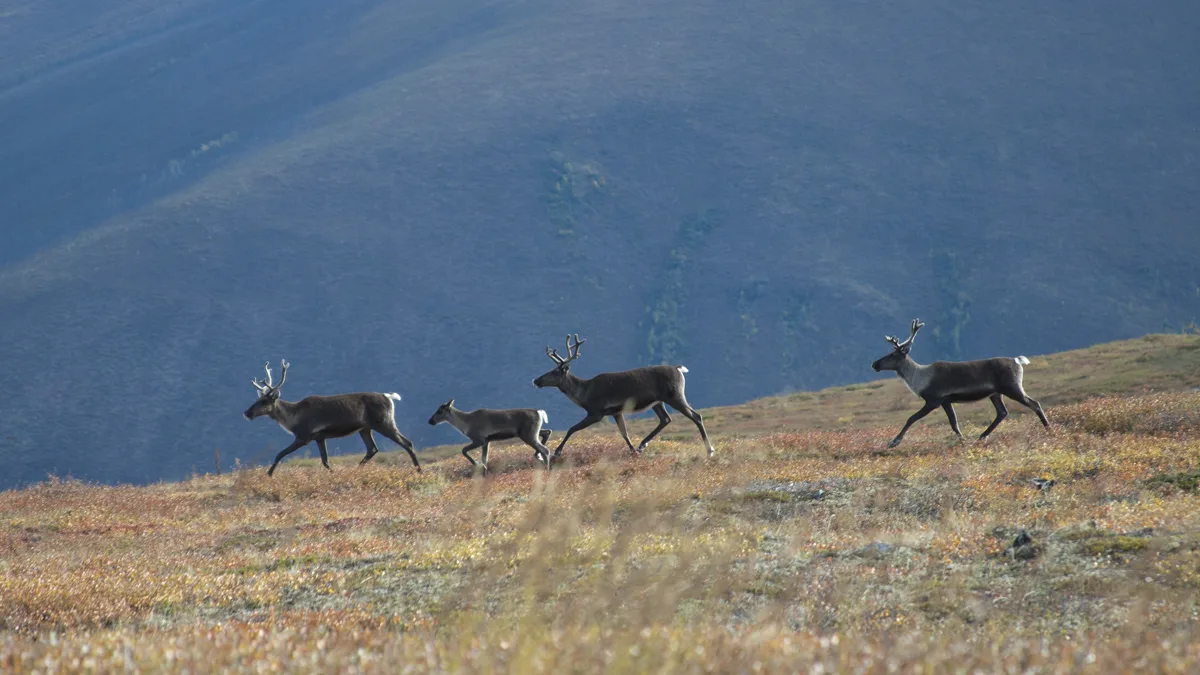
How Much Weight Can Your Dog Carry in a Backpack?
A physically fit adult dog can safely carry ten to fifteen percent of their total body weight in a balanced canine pack, including the weight of the empty harness and saddlebags. For example, a healthy sixty-pound Labrador Retriever should carry a maximum trail load of six to nine pounds.
Adhering to these strict physical parameters protects canine spinal and joint integrity:
- Age and Growth Plate Verification: Young puppies and adolescent dogs under eighteen to twenty-four months of age should never carry weighted packs. Their skeletal growth plates have not fully ossified, and carrying loads can cause permanent developmental joint deformities. Let young dogs carry an empty pack solely for behavioral habituation.
- Symmetrical Weight Balance: Pack saddlebags must be loaded with exact equal weight on both sides. An imbalance of just four ounces can cause the pack to list, causing severe spinal chafing, muscle spasms, and gait abnormalities over a ten-mile day.
- Forward Weight Distribution: Position the heaviest items, such as water bottles or dense food bags, over the canine shoulders rather than toward the lower spine or lumbar region. The muscular front shoulders absorb compressive loads far more effectively than the mid-back.
- Senior Dog Adjustments: Dogs older than seven or eight years of age, or dogs with early signs of hip dysplasia or osteoarthritis, should not carry gear. Carry their food and bedding in your personal backpack to preserve their joint comfort.
If you are transitioning from single-day outings to multi-day wilderness treks, cross-reference our core planning guide for hiking with dogs to dial in baseline conditioning and trail endurance.
What Gear Belongs on Your Backcountry Canine Packing Checklist?
An essential backcountry canine packing checklist includes an ergonomic backpack, six-foot climbing-grade leash, campsite tie-out, closed-cell foam sleeping pad, insulated quilt, dehydrated high-calorie rations, water filter, and canine first-aid supplies.
Packing for a multi-day backcountry excursion requires balancing essential safety items against total pack weight. Organize your canine wilderness kit using this categorized checklist:
Canine Pack and Restraint System:
- High-denier ergonomic canine backpack with padded chest and belly straps.
- Six-foot climbing-grade webbing leash with a secure locking carabiner.
- Twenty-foot lightweight static campsite tie-out line with tree-saver straps.
- High-visibility reflective collar with waterproof identification tags containing your cell number and microchip registry info.
Sleep System and Thermal Insulation:
- Closed-cell foam pad cut to canine body dimensions (minimum R-value of 2.0).
- Packable synthetic or water-resistant down canine sleeping quilt.
- Lightweight fleece dog sweater or waterproof rain jacket for sub-alpine squalls.
Hydration and Nutrition Supplies:
- Collapsible food and water dishes made from food-grade silicone.
- High-protein, calorie-dense freeze-dried or dehydrated dog food measured into sealed daily ziplock bags.
- High-calorie electrolyte and nutrient supplement paste for sudden fatigue.
- Squeeze-filter water bottle or gravity filter dedicated to canine hydration.
Backcountry Canine First-Aid Kit:
- Self-adhering cohesive wrap (Vetwrap) and sterile gauze pads.
- Canine paw booties (minimum of two spares) and all-weather paw balm.
- Fine-tip tick removal key, blunt-tip trauma shears, and saline eye wash.
- Veterinarian-approved antihistamine (Diphenhydramine) for insect stings and emergency styptic powder for torn toenails.
How Do You Manage Food and Water Needs in the Wilderness?
Managing food and water in the backcountry requires increasing daily caloric portions by thirty to fifty percent to match heavy elevation gains, while purifying every drop of drinking water to prevent parasitic infections like giardia.
Execute these nutritional and hydration protocols on the trail:
Caloric Multiplication Strategy: A working dog hiking seven to twelve miles per day over uneven mountain terrain burns substantial metabolic energy. Transition your pet to a high-fat, high-protein working dog formula two weeks before your trip, and pack thirty to fifty percent more food by volume than their standard domestic ration. Divide meals into breakfast, trail snacks, and a generous evening dinner.
Water Purification Is Mandatory: Never allow your dog to drink stagnant pond water, slow-moving alpine bogs, or agricultural runoff. Backcountry water sources harbor microscopic parasites, including Giardia lamblia and Cryptosporidium, which cause explosive diarrhea, severe dehydration, and life-threatening weakness in wilderness settings. Always pump and filter stream water before filling your dog’s collapsible bowl.
Scheduled Hydration Stops: Dogs frequently ignore mild thirst while excited by trail scents. Stop at least once every sixty minutes to offer four to six ounces of filtered water. If your companion refuses to drink, mix a teaspoon of powdered bone broth or freeze-dried meat dust into the water to stimulate appetite and fluid intake.
For overnight trips where you camp at established trailheads or drive-in parks before heading into the backcountry, consult our comprehensive handbook on camping with dogs to coordinate campsite safety and food storage.
How Do You Set Up Campsites and Canine Tent Sleeping Systems?
Setting up a safe backcountry campsite requires sleeping your dog inside your fully zipped tent on a closed-cell foam pad, storing all dog food inside bear-proof canisters away from camp, and burying pet waste in catholes two hundred feet from water sources.
Managing your campsite effectively keeps your dog warm, prevents wildlife encounters, and ensures a peaceful night of sleep for surrounding campers:
Inside-the-Tent Policy: Always sleep your dog inside your fully zipped tent. Leaving a dog tethered outside overnight exposes them to hypothermic wind chills, predatory wildlife (such as coyotes, wolves, and mountain lions), and insect swarms. A dog resting inside the tent body remains warm, calm, and secure.
Floor Protection and Insulation: Canine claws can puncture delicate ultra-lightweight tent floor fabrics. Lay your personal foam sleeping mat, a Tyvek ground sheet, or a fleece camp blanket across the tent floor before letting your dog enter. Position their dedicated closed-cell foam pad alongside your sleeping bag so ground cold does not leach their core body heat.
Wildlife Food Storage Standards: Never store dog food, treat bags, empty food bowls, or scented chew toys inside your tent in bear country. Pack all canine food items into approved bear-resistant canisters or hang them ten feet high and four feet out on a designated bear cable alongside your human rations.
Leave No Trace Waste Management: In backcountry wilderness zones, bury canine solid waste in a six-to-eight-inch cathole located at least two hundred feet from trails, campsites, and water sources, or pack it out in heavy-duty odor-proof barrier bags.
To avoid trail conflicts with pack stock and fellow hikers during approach miles, review our rules of engagement on trail etiquette with dogs.
Backcountry Gear Weight and Function Matrix
Use the following gear matrix to plan item distribution between handler and canine backpacks:
| Gear Category | Item Description | Carried By | Trail Weight |
|---|---|---|---|
| Pack System | Ergonomic saddlebag backpack | Dog | 14 – 18 oz |
| Trail Nutrition | Dehydrated daily meal rations | Dog | 16 – 24 oz |
| Emergency Hydration | Collapsible silicone water bowl | Dog | 3 – 4 oz |
| Paw Care | Spare cordura trail booties (2x) | Dog | 2 oz |
| Bedding System | Closed-cell foam pad & quilt | Handler | 12 – 16 oz |
| First-Aid & Meds | Canine medical kit & Vetwrap | Handler | 10 oz |
| Water Purification | High-flow microfilter pump | Handler | 8 oz |
Frequently Asked Questions About Backpacking with Dogs
How many miles can a dog hike in a day while backpacking?
A well-conditioned adult trail dog in good health can comfortably hike eight to twelve miles per day over moderate mountain terrain. Beginners should start with five-to-six-mile daily itineraries and incorporate rest days to prevent joint soreness and paw fatigue.
Can dogs carry their own food and water while backpacking?
Yes. Healthy adult dogs can carry their dry food rations and light accessories, provided the total weight does not exceed ten to fifteen percent of their body weight. The human handler should carry bulky items, sleep pads, and bulk water supplies.
What should I do if my dog gets injured miles from the trailhead?
Assess vital signs, stabilize fractures or lacerations using cohesive bandage (Vetwrap), apply protective booties over paw injuries, and carry an emergency canine rescue sling (such as a Fido Pro Airlift) to pack out a disabled dog safely.
Do dogs need bear bells or reflective gear in the backcountry?
Yes. Equipping your dog with a small bear bell on their collar alerts surprise wildlife on winding trails, while reflective trim and an LED collar light ensure high visibility around camp after sundown.
How we researched this guide: We analyzed United States Forest Service (USFS) wilderness regulations, Leave No Trace Center for Outdoor Ethics standards, and veterinary sports medicine protocols to compile this backcountry backpacking checklist.
About the Author and Field Testing Standards
Cole Brandt is an outdoor canine travel specialist and obedience researcher dedicated to advancing responsible pet hospitality. Every gear review, backcountry packing guide, and trail safety protocol published on The White Santorini is field-tested across demanding alpine terrain in accordance with veterinary outdoor safety guidelines.