Trailhead notes Snowshoeing with dog companions requires choosing multi-use winter routes rather than groomed classic ski tracks, pacing movement to prevent exhaustion in deep powder, and protecting paw pads with wax or insulated boots. Handlers should lead through untracked snow so the dog walks in the packed track, carry warm water, and turn around at the first sign of shivering.
Venturing into the winter woods on snowshoes offers quiet solitude and crisp mountain air. Taking a canine companion along elevates the outing into a memorable shared backcountry experience. Cold temperatures, deep powder, and concealed terrain hazards demand careful preparation and strict adherence to winter trail etiquette. Plan thoroughly.
Winter conditions multiply physical demands placed on both humans and working animals. Deep powder snow requires intense muscular effort. Sub-freezing air rapidly strips moisture and warmth from working bodies during heavy exertion. Handlers who evaluate trail policies, inspect paw pads frequently, and monitor canine energy levels can enjoy safe winter adventures across public recreation lands.
- Track Etiquette Matters: Nordic centers and public trails prohibit dogs and snowshoes on groomed classic ski tracks to protect ski corduroy.
- Breaking Trail Requires Strategy: Humans on snowshoes should lead through deep powder so dogs can walk efficiently in the packed depression.
- Paw Pads Need Ice Protection: Ice balls forming between canine toe pads cause severe pain; apply dense paw wax or fit insulated winter boots.
- Hydration Must Be Carried: Eating cold snow lowers canine core body temperature; carry warm potable water in an insulated thermos.
- Avalanche Awareness Is Essential: Keep winter outings on gentle terrain below thirty degrees slope angle and stay clear of avalanche runout zones.
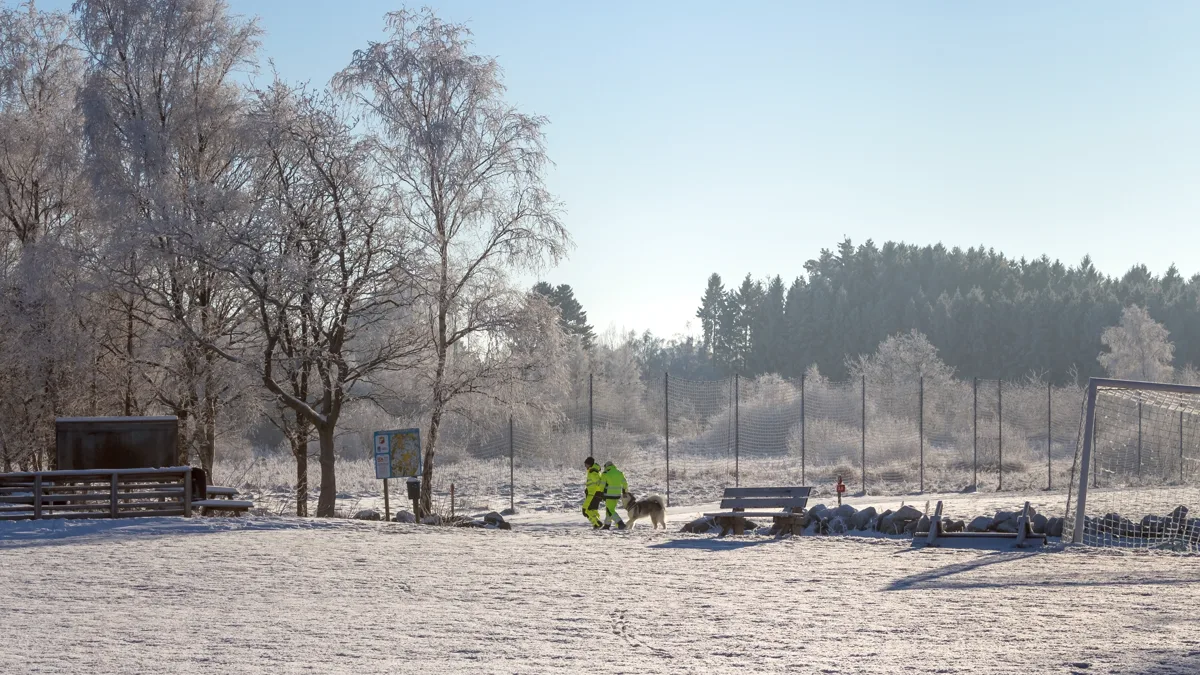
Where Is Snowshoeing with Dog Allowed on Winter Trails?
When snowshoeing with dog partners, handlers must verify that the selected winter trail permits domestic pets and non-ski travel. United States Forest Service lands and Bureau of Land Management parcels welcome dogs on most winter recreation trails. Commercial Nordic centers and state park ski touring networks enforce strict restrictions to protect delicate groomed cross-country ski tracks.
Winter trail grooming requires substantial machinery and labor. Cross-country ski centers set parallel classic tracks alongside flat skate lanes. Walking with snowshoes or allowing a dog to run over these prepared tracks creates deep post-holes and ruts. These ruts ruin the skiing surface and present severe tripping hazards for skiers moving at high velocity. Nordic centers generally prohibit domestic animals and snowshoers from primary ski tracks, as published on United States Forest Service winter recreation policies (checked November 2026).
Many winter recreation areas designate separate multi-use trails where snowshoers, winter hikers, and leashed dogs share the path peacefully. Check signs. Before traveling to a winter trailhead, check the local ranger district or park agency map to confirm whether pets are allowed on the snowshoe route. Handlers can explore general hot and cold weather guidelines to understand seasonal trail management.
Always keep dogs on a physical six-foot leash when navigating winter trailheads and multi-use corridors. Leashes prevent unexpected collisions with fast-moving downhill skiers, fat-tire winter bikers, and snowmobiles. A secure lead also prevents your dog from wandering into deep snowdrifts or chasing winter wildlife struggling to conserve vital calories.
| Snow Condition | Canine Energy Output | Trail Strategy for Handlers | Management Source |
|---|---|---|---|
| Packed Snowshoe Track | Moderate baseline exertion; solid footing for pads. | Maintain steady walking pace; check paws every hour. | U.S. Forest Service Trail Guidelines (checked November 2026) |
| Deep Fresh Powder (6+ inches) | Extreme exertion; bounding motion exhausts muscles quickly. | Human leads on snowshoes; dog follows in compressed trench. | Leave No Trace Winter Ethics (checked November 2026) |
| Crusted / Refrozen Snow | High injury risk; sharp ice crust cuts skin and pad tissue. | Fit protective winter dog boots; avoid steep icy descents. | American Veterinary Medical Association (checked November 2026) |
| Wet Heavy Spring Snow | High energy drain; rapid formation of ice balls in fur. | Apply generous paw wax; trim excess hair between toe pads. | Veterinary Outdoor Safety Standards (checked November 2026) |
Source: United States Forest Service, Leave No Trace Center for Outdoor Ethics, and American Veterinary Medical Association (checked November 2026).
How Do Handlers Manage Breaking Trail and Canine Fatigue?
Managing canine stamina in deep winter conditions requires active pacing and smart trail positioning. Humans wearing snowshoes float on top of the snowpack, but dogs sink directly into deep powder. A canine bounding through unbroken snow consumes three to four times more energy per mile than during summer trail walking.
To preserve your companion’s endurance, use the breaking trail rotation method. The human wearing snowshoes walks ahead, using their wide deck to compress the snow into a firm, stable trench. The dog walks directly behind the handler within the packed track, avoiding the exhaustive bounding required in untouched powder. Save energy. If multiple people participate, have the strongest snowshoer break the front trail while the dog walks between group members.
Watch for physical signs of cold-induced fatigue. Slowing pace, reluctance to move forward, shivering, or repeatedly lifting paws off the snow indicate that the animal has reached its comfort threshold. Unlike human hikers who can layer up when stopped, a stationary wet dog loses body heat rapidly. Reviewing cold weather safety limits helps handlers establish appropriate turnaround criteria before setting out into the wilderness.
Plan winter outings to be half the distance of your usual summer hikes. What feels like an easy four-mile stroll on dry dirt becomes an exhausting expedition in six inches of fresh powder. Turning around while both handler and animal still have reserve energy ensures a safe, comfortable return to the heated vehicle. Never push past fatigue.
What Gear and Paw Protection Keep Dogs Safe in Snow?
Essential gear for winter hiking with dogs includes dedicated paw wax or insulated winter boots, an ergonomic Y-harness with reflective trim, and a high-visibility winter coat for short-coated breeds. Cold snow packed between canine toes creates painful ice balls that tear tender skin if left unmanaged during a long trek.
Inspecting dog paws in snow is a critical handler responsibility. Long-haired breeds frequently develop compact ice clusters between their digital pads. Before leaving home, trim the excess fur between the toes flush with the pad surface. Apply a thick layer of dense petroleum or beeswax-based paw ointment to repel snow moisture and prevent ice formation on sensitive skin.
For rough crust, refrozen ice, or sub-zero temperatures, durable dog boots offer superior mechanical protection. Select boots featuring rugged rubber soles, secure hook-and-loop closure straps, and water-resistant upper fabrics. Fit matters. Introduce boots gradually in the home several weeks before your first mountain excursion so the animal acclimates to the sensation.
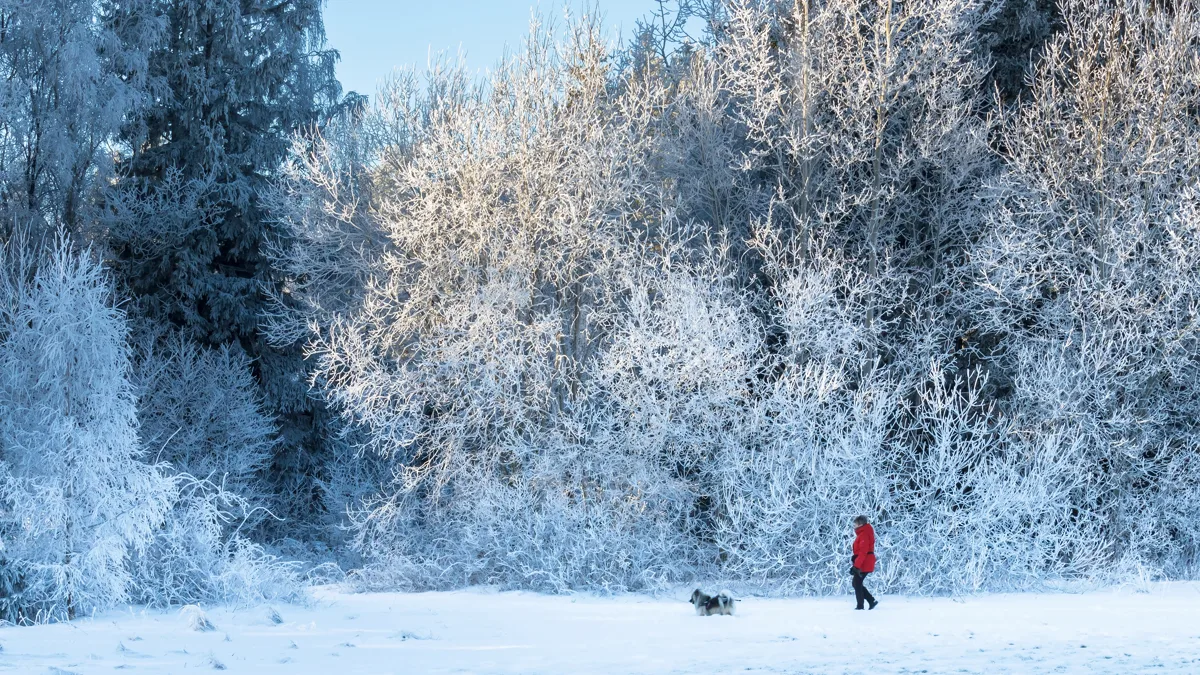
Short-coated breeds, lean sighthounds, and senior dogs lose body heat rapidly in cold alpine environments. A windproof, water-resistant canine winter jacket with fleece lining maintains core thermal warmth. Ensure the coat fits snugly around the chest without restricting shoulder mobility or interfering with the harness attachment point. If a canine shows signs of hypothermia, wrap the animal in dry layers and seek assistance from a licensed veterinarian immediately.
How Much Water and Fuel Does a Winter Trail Dog Need?
Canines active in cold weather require twenty-five to fifty percent more calories than baseline maintenance to fuel muscular work and maintain internal body heat. Handlers should provide small, calorie-dense canine snacks during rest breaks every forty-five to sixty minutes. Clean potable water must also be offered regularly, as cold dry air dehydrates dogs through heavy respiratory panting.
Never rely on your dog eating trail snow for hydration. Ingesting large quantities of frozen snow lowers internal core temperature, increasing hypothermia risk. Snow along trails may also conceal toxic ethylene glycol antifreeze drips from snowmobiles or harmful road de-icing chemicals carried on visitor footwear.
Carry lukewarm tap water in an insulated vacuum flask inside your backpack. Water carried in external bottle sleeves or bladder hoses will freeze solid within an hour in sub-freezing temperatures. Pour small amounts into a flexible silicone bowl at each rest break. If your dog hesitates to drink in cold weather, adding a splash of warm low-sodium chicken or beef broth encourages immediate fluid intake.
Feed a small portion of digestible proteins and complex fats during trail pauses. Avoid offering a single massive meal right before or immediately following strenuous snowshoeing, as intense physical exertion combined with large food volume elevates digestive risk in active canines.
Which Avalanche and Winter Hazards Must Handlers Avoid?
Winter backcountry travelers must recognize and avoid avalanche terrain and concealed natural hazards. According to definitions published by Avalanche.org (checked November 2026), avalanche terrain includes slopes steeper than thirty degrees as well as the runout zones located directly beneath them. Handlers snowshoeing with companion animals should restrict travel to gentle valley floors and marked low-angle forest trails.
Domestic canines have no innate understanding of avalanche risk or unstable snow slabs. An off-leash dog running across an open snowfield can easily trigger a cohesive wind slab, burying both the animal and hikers below. Maintaining physical leash control prevents your dog from ascending dangerous slopes or exploring cornice edges that can collapse without warning.
Watch for deep tree wells around the bases of evergreen trees. Dense pine boughs prevent falling snow from packing tightly around tree trunks, creating hidden deep cavities filled with loose powder. A dog falling into a tree well can become trapped and suffocate beneath loose snow. Steer your path along marked centerlines away from deep tree depressions.
Frozen waterways present another severe winter hazard. Snow often obscures thin ice over moving creeks and mountain ponds. Keep your dog close to prevent them from venturing onto fragile ice shelves where breaking through leads to rapid immersion hypothermia.
Essential Winter Trailhead Checklist
- Snowshoes and Trekking Poles: Fitted with wide winter powder baskets for handler stability.
- Padded Canine Y-Harness: Equipped with reflective stitching and a sturdy rear traffic handle.
- Six-Foot Non-Retractable Leash: Made of cold-resistant webbing that does not stiffen or freeze.
- Paw Protection Supplies: Protective booties or dense wax ointment packed in an accessible pouch.
- Insulated Water Thermos: Filled with warm potable water and a clean collapsible silicone bowl.
- Canine High-Calorie Trail Snacks: Packed in smell-proof, easily accessible containers.
- Canine First Aid Kit: Containing cohesive wrap bandages, sterile gauze, and pad balm.
- Absorbent Microfiber Towel: Stored in the vehicle to dry wet fur and pads immediately upon return.
Before you load the car
Do dogs need special boots when snowshoeing on mountain trails?
Boots are recommended when navigating refrozen crust, abrasive ice, or sub-zero temperatures. For soft fresh powder on short trails, applying a generous coating of dense paw wax often provides sufficient moisture protection and prevents ice ball accumulation between the toes.
Can dogs walk on groomed cross-country ski tracks?
No. Nordic centers and cross-country ski networks strictly prohibit dogs and snowshoers on groomed classic and skate ski lanes. Handlers must choose designated multi-use winter paths where snowshoeing and leashed pets are explicitly permitted by the land manager.
How cold is too cold for a dog to go snowshoeing?
Most healthy, active dogs handle temperatures between twenty and thirty degrees Fahrenheit comfortably with appropriate activity. When temperatures fall below twenty degrees Fahrenheit, small dogs, lean breeds, and senior canines require insulated coats, protective boots, and shorter trip durations.
Why should humans break trail ahead of their dogs?
Humans wearing snowshoes pack down deep powder into a dense, walkable trench. Allowing the dog to follow inside this compressed path reduces canine energy expenditure significantly, preventing severe muscle fatigue and exhaustion during winter travel.
What should a handler do if a dog begins shivering on the trail?
Shivering indicates that the animal is losing core body heat faster than muscular activity can replace it. Stop immediately, put on an insulated canine coat, offer warm water, and begin hiking back to the heated vehicle without delay.
Park and trail rules are checked against official park and land-agency pages, which change often; health advice is left to veterinarians. How We Researched This Guide: We consulted United States Forest Service winter trail regulations, Nordic center pet policies, and avalanche safety standards.