Trailhead notes Determining how cold is too cold for dogs depends on breed size, coat density, and ambient wind chill. According to the Tufts Animal Care and Condition scale, temperatures between thirty-two and forty degrees Fahrenheit present mild risk for small canines, while temperatures below twenty degrees Fahrenheit create severe hypothermia hazards for all domestic breeds.
Winter trail walking and neighborhood exercise provide essential physical stimulation for domestic canines during colder months. However, freezing temperatures, icy winds, and snow-covered terrain introduce acute physiological challenges. Unlike wild alpine animals adapted to sub-zero climates, most domestic companion canines possess limited natural defenses against prolonged conductive heat loss.
Understanding cold tolerance requires examining the interaction between ambient temperature, wind chill, and canine anatomy. Handlers must balance outdoor exercise requirements with thermal protection, recognizing when weather conditions transition from refreshing brisk air into hazardous cold. Proper winter management prevents acute hypothermia, protects paw pads from caustic ice-melting chemicals, and ensures safe outdoor activity throughout the winter season.
- Tufts Safety Thresholds: Temperatures below twenty degrees Fahrenheit (-7°C) require caution for all dogs, regardless of breed size or coat type.
- Anatomical Risk Factors: Small breeds, short-coated canines, puppies, and senior dogs lose body heat significantly faster than large double-coated breeds.
- Environmental Multipliers: Freezing rain, wet snow, and wind chill rapidly accelerate hypothermia risks by penetrating the canine undercoat.
- Chemical Pad Hazards: Municipal rock salt and chemical ice-melting compounds cause severe paw pad chemical burns and toxic gastrointestinal distress if ingested.
- Veterinary Assessment: Persistent shivering, muscle stiffness, lethargy, or discolored greyish paw pads require immediate warming and veterinary evaluation.
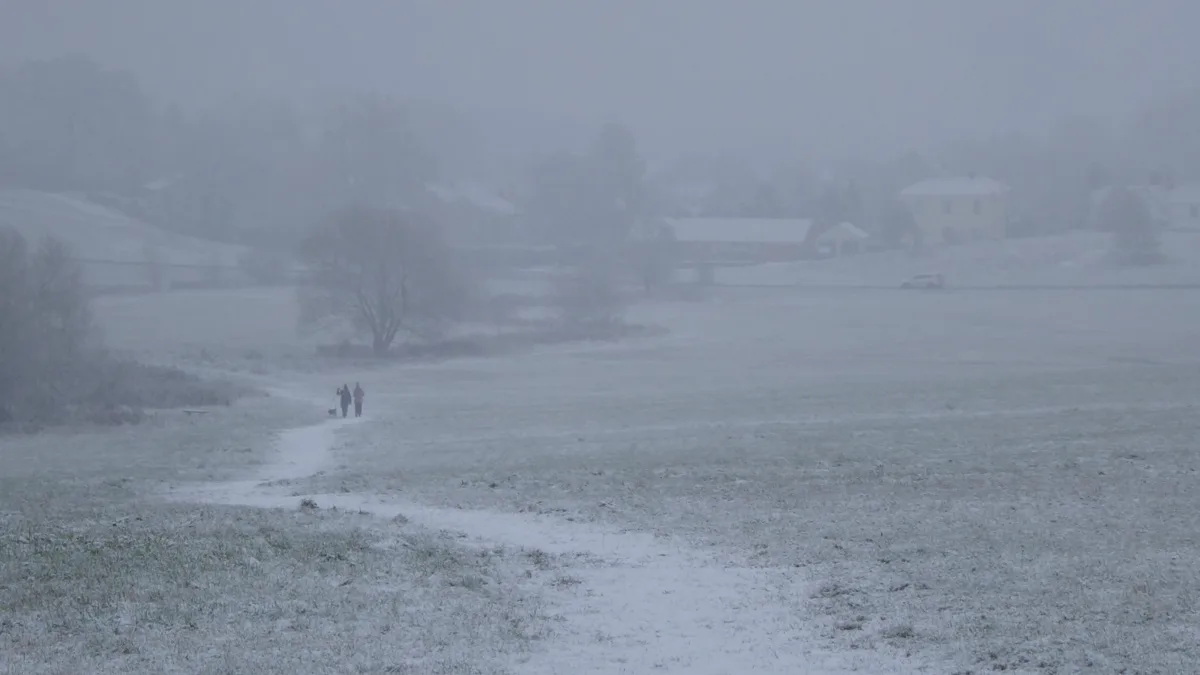
How Cold Is Too Cold for Dogs According to Veterinary Scales?
Determining how cold is too cold for dogs requires a systematic approach based on established veterinary research. Veterinary scientists at the Cummings School of Veterinary Medicine at Tufts University developed the Tufts Animal Care and Condition (TACC) Weather Safety Scale to provide objective guidelines for outdoor companion animals in cold weather.
The Tufts scale classifies ambient outdoor temperatures into distinct risk tiers based on canine body weight and coat insulation. Temperatures above forty-five degrees Fahrenheit (7°C) present no cold-weather risk for healthy domestic dogs. When temperatures drop between thirty-two and forty degrees Fahrenheit (0°C to 4°C), small breeds, puppies, and thin-coated dogs begin experiencing mild thermal stress, requiring handlers to monitor behavior closely.
The critical threshold occurs when ambient temperatures drop below twenty degrees Fahrenheit (-7°C). At this temperature band, cold exposure becomes potentially life-threatening for small and medium dogs after twenty to thirty minutes, while large northern breeds require active movement and careful observation. Temperatures below zero degrees Fahrenheit (-18°C) represent severe danger for all domestic canines, warranting elimination-only outdoor breaks of under five minutes.
When planning winter hikes across elevated terrain, handlers should consult our guide on hiking with dogs to ensure their route selection avoids high-elevation wind corridors and exposed mountain ridgelines during seasonal cold fronts.
| Temperature Band (°F / °C) | Small / Short-Coat Breeds | Medium Breeds (30 to 60 lbs) | Large Double-Coat Breeds | Tufts Safety Action Guide |
|---|---|---|---|---|
| 45°F and above (7°C+) | No Risk (Scale 1) | No Risk (Scale 1) | No Risk (Scale 1) | Standard outdoor exercise; no winter gear needed. |
| 32°F to 40°F (0°C to 4°C) | Mild Risk (Scale 2) | Low Risk (Scale 1) | No Risk (Scale 1) | Fleece jacket recommended for small/short-coated dogs. |
| 20°F to 30°F (-7°C to -1°C) | Moderate Risk (Scale 3) | Moderate Risk (Scale 2) | Low Risk (Scale 1) | Limit walks to 20 to 30 minutes; inspect paws for ice balls. |
| 0°F to 15°F (-18°C to -9°C) | Severe Risk (Scale 4) | High Risk (Scale 3) | Moderate Risk (Scale 2) | Reduce outings to 10 to 15 minutes; insulated coat mandatory. |
| Below 0°F (Below -18°C) | Critical Danger (Scale 5) | Critical Danger (Scale 5) | High Risk (Scale 4) | Potty breaks only (under 5 minutes); keep animals indoors. |
Source: Tufts Animal Care and Condition Weather Safety Scale (checked October 2026).
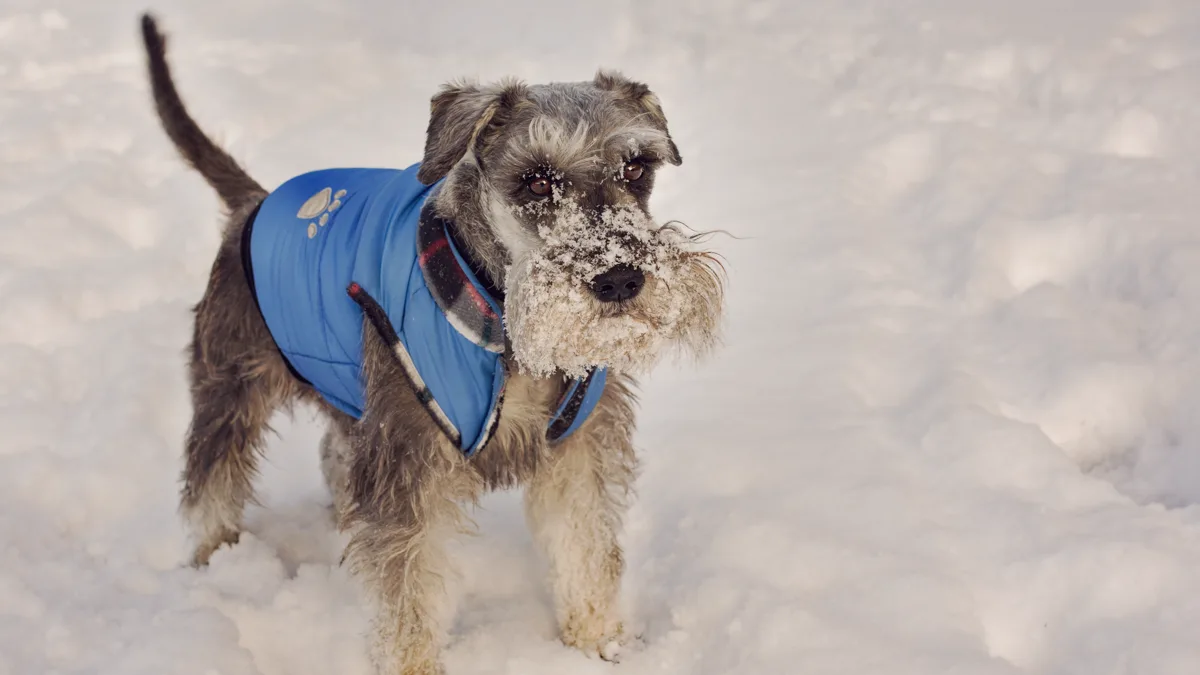
Which Canine Physical Factors Influence Winter Cold Tolerance?
A dog’s physical morphology dictates their physiological ability to retain metabolic body heat in freezing conditions. Size, body mass index, coat structure, and life stage create wide variations in cold resistance across different canine breeds during cold weather dog walking.
Body size represents the primary physical determinant of heat loss. Small toy breeds (such as Chihuahuas, French Bulldogs, and Miniature Pinschers) possess a high surface-area-to-body-mass ratio, causing them to radiate core body heat into surrounding cold air much faster than large breeds. In contrast, heavy northern working breeds (such as Siberian Huskies, Alaskan Malamutes, and Bernese Mountain Dogs) possess dense double coats consisting of a harsh, water-repellent outer guard coat and a dense, insulating wool undercoat that traps warm air against the skin.
Age and underlying medical health also diminish thermal resilience. Geriatric canines often suffer from arthritis, which worsens dramatically in freezing temperatures as synovial joint fluid thickens, causing stiffness and limping. Puppies lack fully developed thermoregulatory mechanisms and body fat reserves, making them vulnerable to rapid temperature drops. Handlers managing senior or young animals should explore our seasonal advice on hot & cold weather to tailor outdoor routines safely.
How Do Wind Chill and Wet Moisture Accelerate Heat Loss?
Ambient air temperature alone does not reflect the true thermal stress experienced by an animal outdoors. Wind velocity and environmental moisture dramatically accelerate heat dissipation through convection and conduction.
Wind chill strips away the thin layer of warm air naturally trapped within an animal’s fur coat. A calm thirty-degree day feels tolerable, but a twenty-mile-per-hour wind at thirty degrees Fahrenheit drops the effective wind chill index to seventeen degrees, transforming a safe walk into a dangerous cold exposure scenario. Handlers must always check local National Weather Service wind chill advisories before heading outside.
Moisture presents an even more acute hazard. Water conducts heat away from the body approximately twenty-five times faster than air. If a dog walks through freezing slush, falls into icy stream water, or gets drenched by freezing rain, wet fur matting compresses the insulating undercoat. Once an animal is thoroughly soaked, hypothermia can develop rapidly even in moderate thirty-eight-degree weather. Keep coats dry and wipe animals down immediately upon returning indoors.
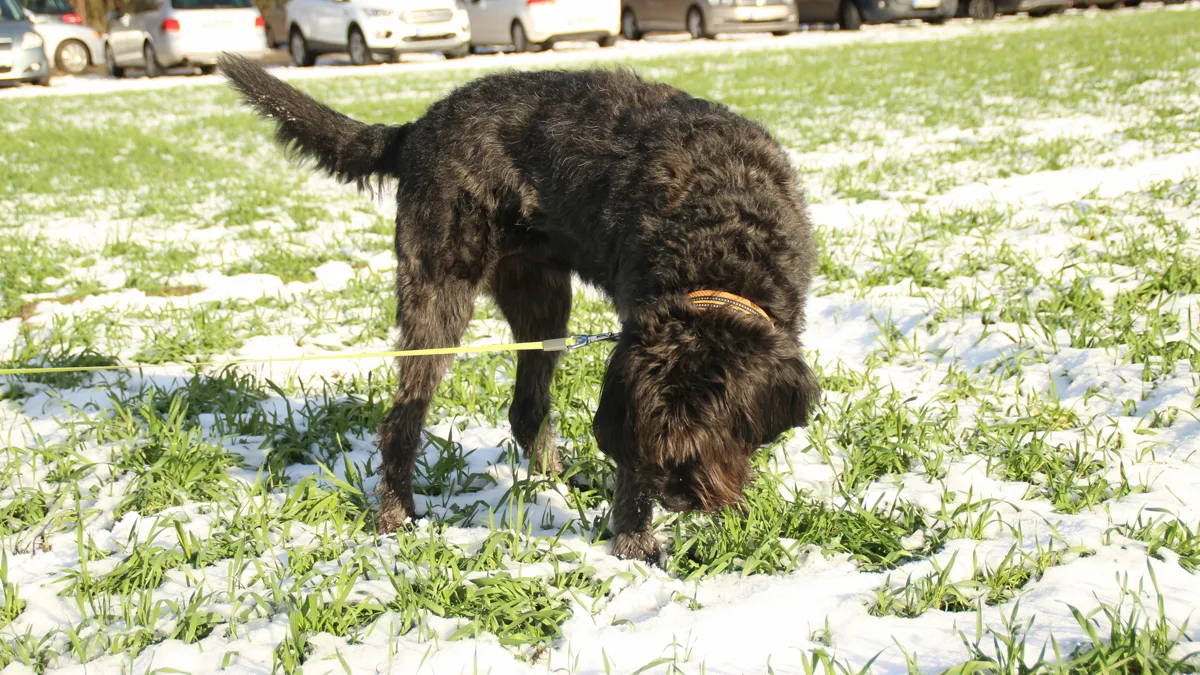
How Do Handlers Protect Paw Pads from Ice and Toxic Chemical Melters?
Canine paw pads are resilient, vascular structures, but winter conditions subject them to severe mechanical and chemical trauma. Frozen jagged ice crusts abrade epidermal tissue, while chemical de-icers cause painful chemical burns and poisoning risks.
Municipalities and private property owners routinely treat sidewalks, driveways, and road surfaces with rock salt (sodium chloride), calcium chloride, and magnesium chloride. These chemical compounds generate exothermic chemical heat to melt snow, which creates burning sensations on canine foot pads. In addition, dogs instinctively lick irritated paws after walks, ingesting toxic quantities of chemical salts that induce vomiting, oral ulcerations, and acute gastrointestinal inflammation.
To protect canine pads during winter outings, handlers can implement three proven protective strategies:
- Protective Rubber or Cordura Booties: Sturdy winter booties provide a total physical barrier against chemical salts, glass shards, and sharp ice crusts.
- Dense Paw Wax Applications: Applying food-grade wax balms containing beeswax and paraffin creates a breathable, water-resistant shield across pads before stepping onto salt-treated walkways.
- Warm Water Post-Walk Rinses: Keep a dedicated bowl of lukewarm water and a clean microfiber towel beside the front door. Thoroughly rinse and dry all four paws after every walk to remove chemical residues before the dog can groom themselves.
Which Warning Signs Signal Severe Canine Cold Stress?
Recognizing the early behavioral and physiological warnings of cold stress allows handlers to intervene before mild discomfort escalates into clinical hypothermia or frostbite. Handlers must remain vigilant and never force an uncomfortable animal to continue walking.
Early indicators of cold distress include visible muscular shivering, lifting paws off the snow repeatedly, whining or barking at the handler, slowing down, and seeking shelter beneath park benches or vehicles. If a dog displays any of these behavioral cues, turn around immediately, carry small dogs if necessary, and return to heated shelter.
Advanced hypothermia and frostbite represent critical medical emergencies. Warning signs include cessation of shivering, extreme lethargy, dilated pupils, weak shallow breathing, and pale, grey, or blackened tissue margins along the ears, tail tip, or paw pads. Never rub frostbitten skin or apply boiling water, as sudden extreme heat causes catastrophic tissue necrosis. Wrap the animal in dry warm blankets and transport them to a licensed veterinarian or emergency animal hospital immediately.
Winter Walking Preparation Checklist
Review this practical checklist before stepping outside for cold weather exercise:
- Weather and Wind Chill Check: Verify the current wind chill index and precipitation forecast before selecting route duration.
- Insulated Apparel: Fit short-coated, senior, or small dogs with a water-resistant, fleece-lined winter coat with reflective trim.
- Paw Protection: Apply protective paw wax or fasten secure non-slip winter boots with snug Velcro straps.
- High-Visibility Leash: Use a non-retractable six-foot lead equipped with reflective stitching or clip-on LED safety lights for dark winter hours.
- Post-Walk Decontamination: Prepare lukewarm water, clean microfiber towels, and soothing paw balm by the entryway.
- Hydration Check: Ensure indoor water bowls remain filled with fresh room-temperature water, as winter heating drys canine respiratory passages.
Before you load the car
What temperature is dangerous for small dogs to walk outside?
Temperatures below thirty-two degrees Fahrenheit (0°C) present moderate risks for small toy breeds, while temperatures below twenty degrees Fahrenheit (-7°C) create severe hypothermia hazards. Small dogs should wear insulated winter coats and limit outings to under fifteen minutes.
Do large dogs with thick fur need winter coats in the snow?
Healthy, active double-coated northern breeds (such as Huskies, Malamutes, and Newfoundlands) do not typically require coats in temperatures above twenty degrees Fahrenheit. However, senior dogs or wet animals benefit from waterproof coats during freezing rain or heavy snow.
Is sidewalk rock salt poisonous to dogs?
Yes. Chemical de-icers contain sodium chloride, calcium chloride, and ethylene glycol residues that burn paw pads and cause toxic gastrointestinal poisoning or electrolyte imbalances if dogs lick their paws after walks. Always rinse paws with warm water after outdoor exercise.
What are the first signs of hypothermia in domestic dogs?
The earliest signs of canine hypothermia include persistent shivering, lifting paws off the ground, whining, weakness, and tucking the tail tightly against the body. Advanced hypothermia causes dilated pupils, shallow breathing, and muscle stiffness requiring emergency veterinary care.
Can dogs get frostbite on their ears and paw pads?
Yes. Frostbite occurs when blood flow restricts to extremities in sub-freezing temperatures, affecting ear tips, tails, and paw pads. Affected tissue appears pale, cold, or greyish-blue. Never rub frostbitten skin; warm the dog gradually and seek immediate veterinary evaluation.
How we researched this guide: Temperature thresholds and canine cold physiology follow the Tufts Animal Care and Condition (TACC) Weather Safety Scale and American Veterinary Medical Association cold-weather guidelines (avma.org). The article was drafted with AI assistance and reviewed by an editorial writer.
Sources: Tufts Cummings School of Veterinary Medicine (vet.tufts.edu), American Veterinary Medical Association (avma.org), ASPCA Animal Poison Control (aspca.org), and National Weather Service Wind Chill Guidelines (weather.gov).