Trailhead notes Visiting dog friendly beaches requires understanding local tidal patterns, preventing hypernatremia from saltwater ingestion, and protecting sensitive paw pads from scorching sand. Handlers must carry abundant fresh rinsing water, provide portable sunshade, and equip dogs with buoyant life jackets before navigating coastal shorelines and breaking ocean surf.
Coastal beach trips offer dogs unparalleled physical exercise and sensory enrichment. The combination of open sand stretches, ocean waves, and refreshing sea breezes creates an idyllic outdoor environment. However, marine environments present unique physiological and safety hazards that differ substantially from freshwater lakes and mountain trails.
From hidden rip currents and marine stingers to acute saltwater toxicity and sunstroke, ocean excursions demand proactive handler vigilance. Municipalities across the coastline enforce strict seasonal pet regulations to safeguard delicate coastal dunes and nesting seabirds. Mastering beach rules and preventive canine ocean safety ensures a rewarding seaside adventure.
- Saltwater Toxicity Risks: Ingesting ocean water causes rapid hypernatremia, leading to severe dehydration, vomiting, and neurological distress.
- Thermal Paw Hazards: Dry beach sand reaches surface temperatures exceeding one hundred and twenty degrees Fahrenheit on sunny summer afternoons.
- Ocean Current Dynamics: Powerful shore breaks and undertows overwhelm even strong canine swimmers; life jackets provide indispensable buoyancy.
- Wildlife Protection Zones: Coastal dunes often harbor endangered nesting birds; handlers must respect designated seasonal leash boundaries.
- Post-Swim Fresh Rinse: Residual marine salt and damp sand irritate canine skin folds and trigger severe external ear infections if left uncleaned.
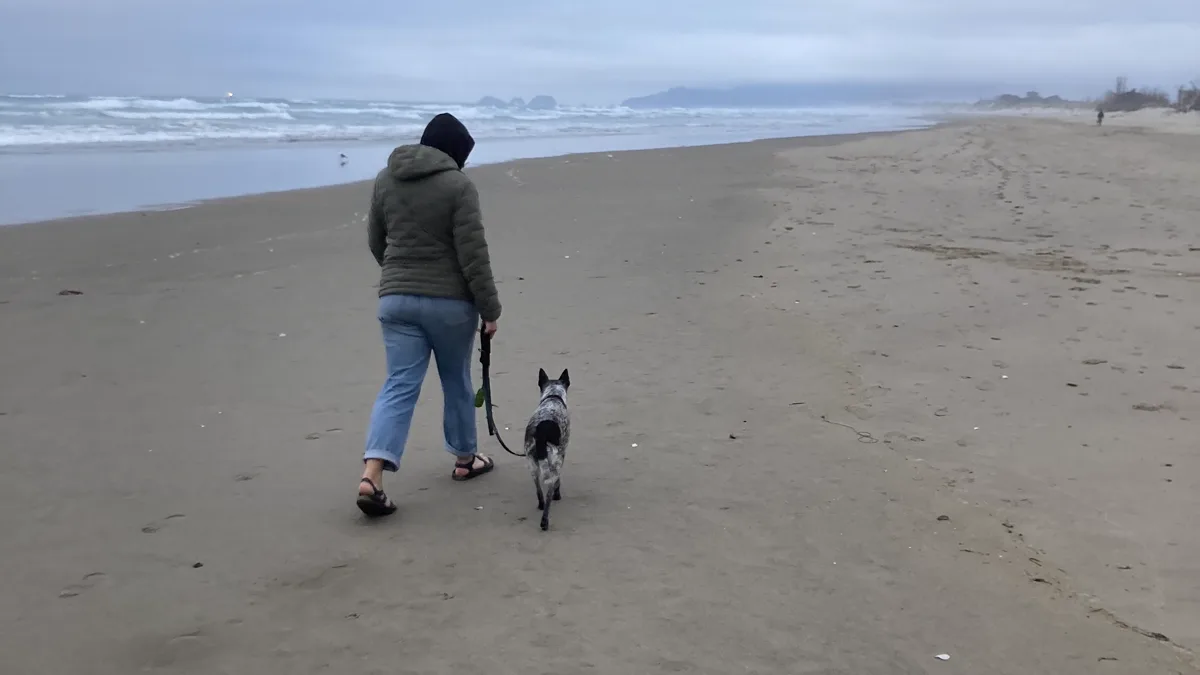
What Rules Govern Public Dog Friendly Beaches?
Public access rules for dog friendly beaches vary widely across municipal, state, and national jurisdictions. Coastal jurisdictions generally fall into three administrative categories:
- Dedicated Off-Leash Dog Beaches: Specifically designated municipal shorelines where voice-controlled dogs can run, swim, and socialize without physical leashes. These zones usually feature boundary signs and waste bag dispensers.
- On-Leash Coastal Recreation Areas: State parks and county beaches that permit pets provided they remain secured on physical leashes measuring six feet or shorter.
- Seasonal and Time-Restricted Access: Many popular resort towns permit canine beach access exclusively during off-peak hours (such as before nine in the morning and after five in the evening) or during non-summer winter seasons.
If your coastal itinerary involves overnight tent camping on beach bluffs, check our complete preparation guide for camping with dogs to ensure campground compliance and gear readiness.
How Do You Protect Dogs from Saltwater Toxicity?
Saltwater poisoning, clinically termed hypernatremia, occurs when a dog swallows significant quantities of ocean water while retrieving floating toys or lapping at breaking surf. High sodium concentrations draw water out of the bloodstream and tissues into the digestive tract, creating rapid physiological dehydration.
Initial clinical signs of saltwater ingestion include projectile vomiting, severe watery diarrhea (often referred to as beach diarrhea), excessive panting, and extreme thirst. In severe cases, electrolyte imbalances trigger muscle tremors, seizures, renal damage, and coma. Prevent saltwater toxicity with these field measures:
- Frequent Fresh Hydration: Offer clean, fresh water every fifteen minutes from a dedicated water bottle before your dog feels compelled to drink seawater.
- Enforce Swim Breaks: Limit continuous ocean fetch sessions to ten-minute intervals, resting your dog in shaded areas between swim bouts.
- Use Solid Floating Toys: Select smooth rubber bumpers rather than porous tennis balls that soak up saltwater like sponges during retrieval.
If your dog displays persistent vomiting, disorientation, or uncoordinated movement after a beach visit, seek immediate emergency veterinary care for intravenous fluid therapy.
Why Is Ocean Surf and Rip Current Safety Essential?
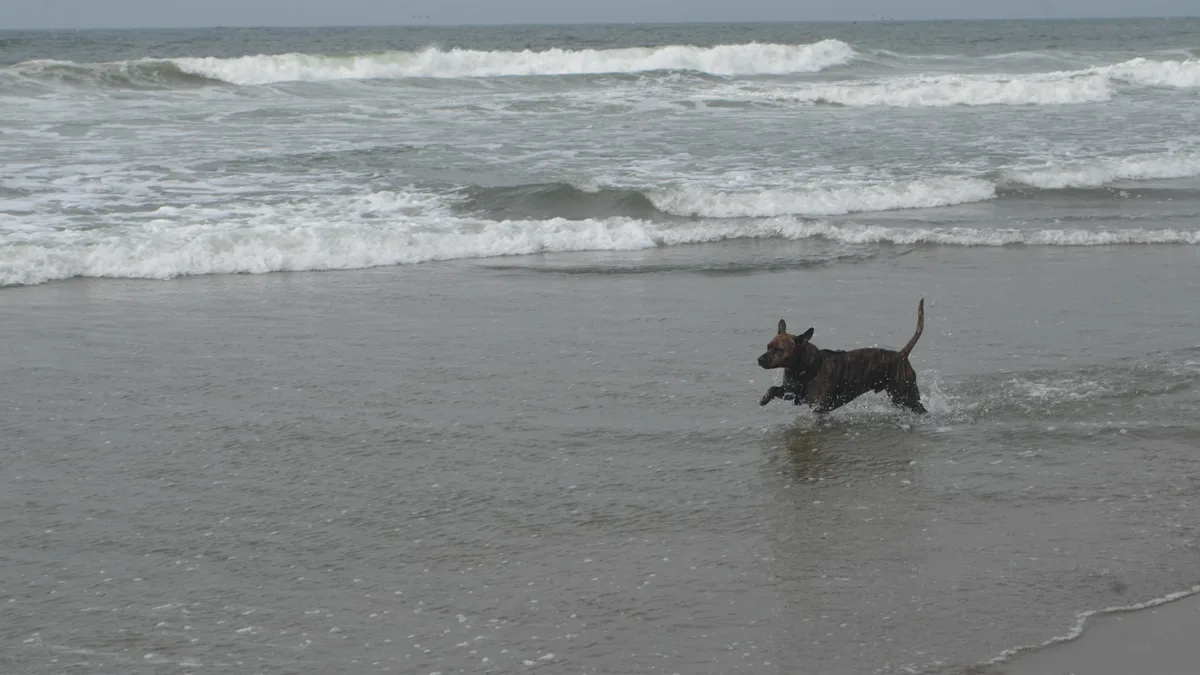
Even powerful athletic breeds struggle against ocean wave dynamics. Breaking shorelines generate heavy undertows that pull animals offshore within seconds. In addition, tidal rip currents can drag an exhausted dog into deep ocean waters far beyond visual contact.
Equipping your dog with a specialized canine personal flotation device (PFD) provides vital insurance against wave exhaustion. Quality life jackets feature high-density closed-cell foam along the chest and ribcage, keeping the dog head naturally elevated above ocean chop. High-strength grab handles sewn along the spine allow handlers to pull dogs out of heavy waves or onto paddleboards swiftly.
Before booking shoreline accommodations across our directory of dog-friendly stays, consult local tide charts and coastal lifeguard advisories for high-surf warnings.
What Gear Do You Need for a Dog Beach Excursion?
Essential gear for a safe dog beach excursion includes fresh potable water in a dispenser bottle, a portable pop-up shade tent, a buoyant canine life jacket with rescue handles, and protective paw wax. These specialized items shield dogs from dehydration, solar overheating, marine undertows, and blistering sand temperatures during extended shoreline visits.
Organizing your coastal kit efficiently ensures prompt access to safety items during active beach outings:
Sun Protection: Dogs with thin white coats, pink noses, or exposed ear tips suffer sunburn under intense coastal ultraviolet exposure. Apply pet-safe, zinc-oxide-free sunscreen to sensitive skin zones, and pitch a portable UV-rated pop-up beach tent to provide continuous shade.
Paw Pad Protection: Midday sand absorbs solar radiation, reaching temperatures that blister canine paw pads within minutes. Test the sand surface by placing the back of your bare hand on the ground for seven seconds. If it feels uncomfortably hot to your hand, fit your dog with protective breathable boots or apply protective paw wax.
Tethering and Leash Management: Carry a waterproof, sand-resistant biothane leash rather than braided fabric that collects abrasive wet grit. A six-foot biothane lead allows immediate physical control while rinsing easily in fresh water.

Common Coastal Beach Hazards and Prevention Methods
Understanding marine hazards helps handlers prevent serious accidents during coastal excursions:
| Coastal Hazard | Risk Mechanism | Canine Health Threat | Prevention & Field Action |
|---|---|---|---|
| Saltwater Ingestion | Swallowing sea water while retrieving toys in surf. | Severe electrolyte imbalance and hypernatremia. | Provide fresh water every 15 minutes; limit fetch bouts. |
| Scorching Sand | Direct contact with solar-heated beach sand. | Second-degree burns and peeling paw pads. | Test sand with bare hand; utilize protective dog booties. |
| Ocean Rip Currents | Strong localized seaward currents near sandbars. | Rapid exhaustion and drowning beyond surf line. | Fit dog with high-buoyancy life jacket; swim near guards. |
| Sand Impaction | Accidental sand ingestion from sandy toys and food. | Intestinal blockage and gastrointestinal irritation. | Rinse dropped toys in clean water; feed off the sand. |
| Jellyfish & Debris | Stepping on washed-up tentacles or sharp oyster shells. | Envenomation, severe paw lacerations, and infection. | Scan shoreline high-tide wrack lines; carry first-aid kit. |
Source: Veterinary Emergency & Critical Care Society Coastal Safety Standards (checked October 2026).
Post-Beach Rinse and Canine Grooming Protocol
A structured post-beach grooming session prevents skin dermatological issues and ear infections:
- Immediate Fresh Water Rinse: Thoroughly wash away all saltwater, abrasive sand granules, and marine debris from your dog’s coat, underbelly, and groin area using a portable rinse tank or beach shower station.
- Paw and Webbing Inspection: Spread each paw pad apart to inspect for lodged sand burrs, broken shell fragments, or micro-lacerations.
- Ear Canal Cleansing: Moisten a cotton pad with veterinary-approved canine ear cleaner and gently wipe outer ear folds, drying excess ocean moisture that breeds bacterial yeast.
- Full Towel Dry: Dry thick canine double coats thoroughly using high-absorbency microfiber towels to prevent post-swim hot spots.
Before you hit the coast
Can dogs drink small amounts of ocean water safely?
No. Even small quantities of saltwater can irritate the stomach lining and cause watery diarrhea. Larger amounts cause dangerous hypernatremia, which requires veterinary intervention.
Does my dog need a life jacket at the beach?
Yes. Ocean waves, sudden drop-offs, and strong undercurrents can exhaust even the most athletic canine swimmers. A properly fitted life jacket provides vital buoyancy and an emergency grab handle.
How do I know if beach sand is too hot for dog paws?
Place the back of your bare hand firmly against the sand for seven seconds. If the sand feels too hot for your hand, it is hot enough to burn and blister your dog’s paw pads.
What is sand impaction in dogs?
Sand impaction occurs when dogs accidentally swallow sand while picking up toys or digging. Accumulated sand forms heavy blockages in the intestinal tract, causing vomiting, lethargy, and abdominal pain.
Why do dogs need a freshwater rinse after swimming in the ocean?
Salt and sand dry out canine skin, cause severe itching, and irritate sensitive areas between paw toes. In addition, damp saltwater trapped in ear canals frequently triggers painful bacterial and yeast infections.
How we researched this guide: Marine pet safety protocols, veterinary hypernatremia data, and coastal recreation policies are synthesized from published findings by the American Veterinary Medical Association (avma.org), Veterinary Emergency and Critical Care Society (veccs.org), and National Oceanic and Atmospheric Administration (noaa.gov). The article was drafted with AI assistance and reviewed by an editorial writer.
Sources: American Veterinary Medical Association (avma.org), Veterinary Emergency and Critical Care Society (veccs.org), National Oceanic and Atmospheric Administration (noaa.gov), and California State Parks Coastal Division (parks.ca.gov).