Trailhead notes Taking a road trip with dog requires securing the animal with a crash-tested harness or anchored crate, planning exercise stops every two to three hours, and carrying updated rabies vaccination records. Never allow pets to ride unrestrained or with heads outside open windows, and pack familiar tap water to prevent gastrointestinal upset.
Embarking on an extended automotive journey with a canine requires thorough logistical planning. The highway environment introduces abrupt movements, noisy rest areas, unfamiliar pathogens, and confinement challenges. Success depends on mapping rest intervals, securing the cabin safely, and maintaining a consistent biological routine across changing miles.
Before pulling out of the driveway, handlers must organize vehicle interior space, assemble pet travel gear, and research route waypoints. Proper preparation prevents travel anxiety, mitigates motion sickness, and protects every passenger in the vehicle. Drivers must treat canine travel needs with the same logistical diligence given to fuel stops and lodging reservations.
- Scheduled Rest Stops: Plan highway breaks every two to three hours for exercise, bladder relief, and hydration.
- Crash-Tested Restraints: Restrain animals with certified harnesses or anchored crates to mitigate impact forces during sudden deceleration.
- Veterinary Documentation: Carry physical copies of rabies certificates and health inspection paperwork for state crossings.
- Consistent Water Supply: Pack municipal tap water from home to avoid acute digestive upset from unfamiliar roadside wells.
- Temperature Vigilance: Never leave animals inside parked vehicles, where cabin heat rises rapidly to lethal thresholds.
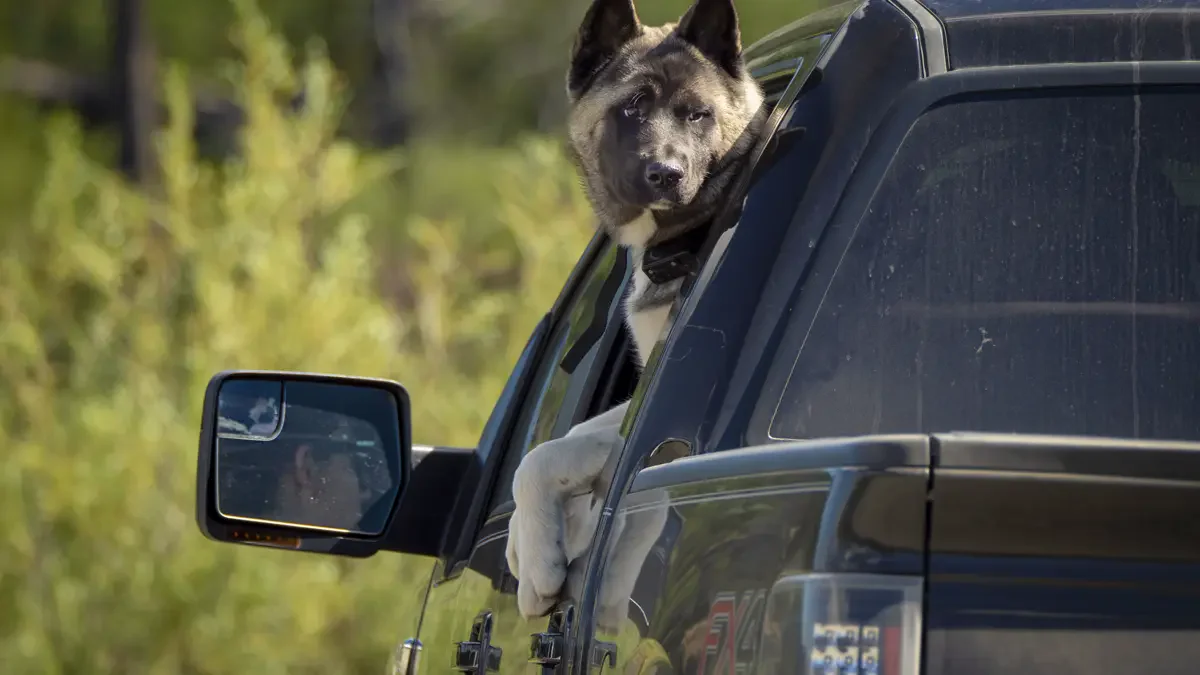
How Often Should Drivers Stop on a Road Trip with Dog?
Drivers should plan highway rest breaks every two to three hours when undertaking an extended road trip with dog. These intervals allow dogs to stretch muscles, relieve their bladder on grassy surfaces, and rehydrate calmly. Frequent breaks reduce travel restlessness and lower the likelihood of vehicle motion sickness.
While human drivers often prefer driving four or five hours without pausing, canines experience physical fatigue from continuously balancing their bodies against vehicle vibration, braking inertia, and cornering sway. Stopping every two to three hours aligns with common veterinary guidance published by the American Kennel Club. Plan these stops before starting the drive. Map highway rest areas featuring dedicated pet relief spaces, well away from roaring commercial diesel traffic.
Always inspect the relief area before releasing your animal from the vehicle. Roadside shoulders and rest stop lawns frequently contain broken automotive glass, discarded chicken bones, toxic antifreeze residues, and dropped prescription medication. Keep the dog on a secure six-foot webbing lead at all times. Never unclip the leash in an unfenced parking area, regardless of how reliable the dog’s recall is at home.
Combine highway driving days with scenic stops along our curated road trips itineraries, which highlight designated pet recreation corridors. If a travel route passes through national forests or public state parks, incorporate a thirty-minute nature trail walk. For guidelines on trail regulations across public parcels, consult our comprehensive guide on hiking with dogs before departing.
| Trip Duration | Recommended Break Frequency | Primary Rest Focus | Key Vehicle Gear to Pack |
|---|---|---|---|
| Short Day Drive (2 to 4 hours) | One stop at the midpoint (2 hours). | Quick relief walk and fresh water offer. | Collapsible bowl, 1 quart water, spare leash. |
| Full Day Highway (5 to 8 hours) | Every 2 to 2.5 hours. | Brisk 15-minute walk, shade rest, light snack. | 1 gallon home water, meal portion, waste bags. |
| Multi-Day Interstate (8+ hours/day) | Every 2 hours plus overnight lodging. | Decompression walk, full meal at destination. | CVI health certificate, travel bed, first aid roll. |
Source: American Kennel Club, Center for Pet Safety, and USDA APHIS Animal Travel Guidelines (checked October 2026).
Which Vehicle Restraints Keep Dogs Safe Inside Cars?
The safest vehicle restraints are crash-tested strength-rated harnesses anchored to factory seatbelt systems, or heavy-duty travel crates secured with high-tensile ratcheting straps to cargo tie-down points. Unrestrained animals present severe collision risks to human passengers and suffer catastrophic blunt-force trauma during high-speed traffic deceleration.
Physics dictates that in a 35-mile-per-hour collision, an unrestrained sixty-pound dog exerts approximately two thousand seven hundred pounds of impact force. Allowing a pet to roam free across seats turns the animal into a dangerous projectile. An unrestrained animal can also climb into the driver’s footwell, interfering with brake pedal operation during critical maneuvers. Secure all pets firmly.
When selecting travel equipment, distinguish between decorative seatbelt attachments and independently certified safety products. The Center for Pet Safety tests pet restraints against federal motor vehicle safety standards (FMVSS 213 child seat protocol). Certified harnesses utilize wide padded chest plates and automotive-grade seatbelt webbing that connect directly through existing vehicle three-point belts without elastic extension tethers.
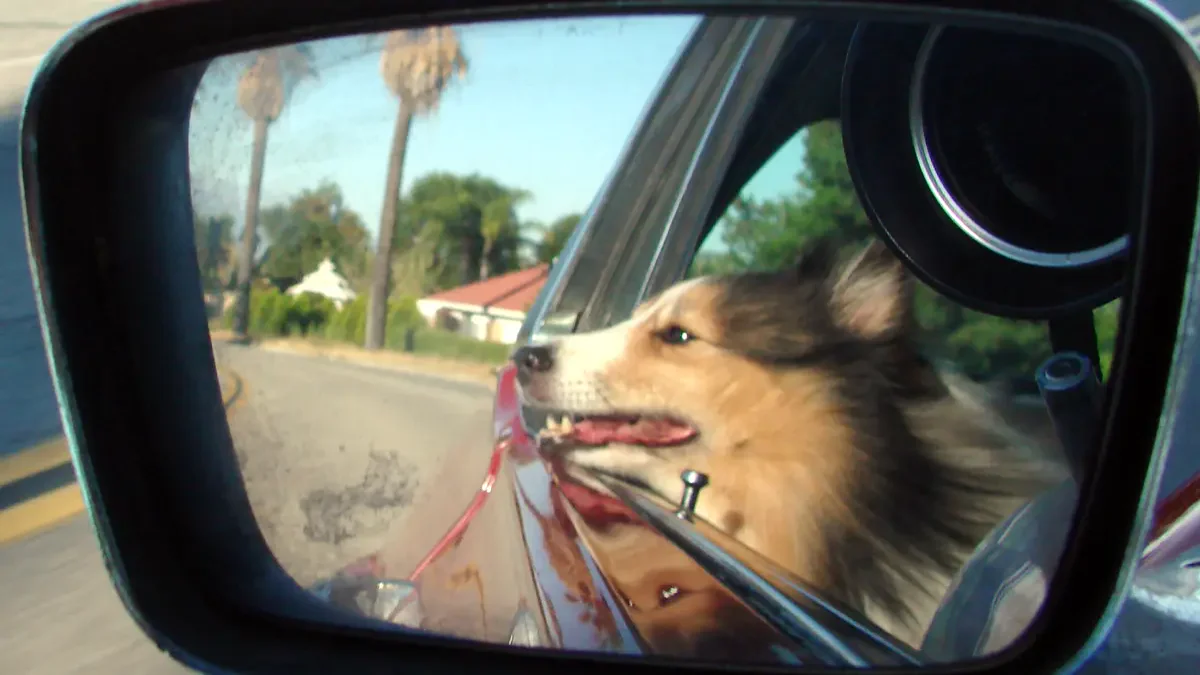
When traveling with a dog in a car, never permit animals to hang their heads out of open windows. High-velocity air currents force foreign particulates, grit, and insects into delicate eye tissues, causing painful corneal abrasions and conjunctivitis. Cold wind buffeting can also cause ear canal inflammation. Lower windows partially for ventilation, but keep openings narrow enough to prevent an animal from extending their head outside the frame.
What Documentation Is Required for Interstate Pet Travel?
Interstate travel within the United States legally requires carrying a current rabies vaccination certificate signed by a licensed veterinarian. Many states also mandate a Certificate of Veterinary Inspection issued within ten to thirty days of travel, confirming that the animal is free of infectious diseases and external parasites.
State departments of agriculture establish independent entry regulations for companion animals crossing state boundaries. While highway checkpoints rarely stop passenger automobiles specifically for pet inspections, state agricultural authorities, park rangers, and local animal control officers maintain legal authority to request vaccination verification. Handlers traveling without documentation risk quarantine orders or fines if their dog encounters local wildlife or becomes lost.
The United States Department of Agriculture Animal and Plant Health Inspection Service maintains an official online pet travel portal detailing state-by-state entry requirements (checked October 2026). Handlers should schedule a routine veterinary checkup two to three weeks before departing on a multi-state route. Obtain three printed copies of the rabies certificate displaying the microchip number, vaccine lot number, and expiration date.
Keep physical paperwork in a waterproof glovebox pouch. Also store clear digital photographs of medical records and contact numbers on your mobile smartphone. Ensure identification tags hanging from the dog’s flat collar display your active mobile phone number rather than a residential landline that goes unanswered while you are away on a dog friendly road trip.
How Do Handlers Manage Feeding and Hydration Schedules?
Handlers should feed animals a light meal three to four hours before vehicle departure, rather than immediately before driving. Maintaining an empty stomach during active highway motion significantly reduces nausea, drooling, and car sickness. Full meals should be offered exclusively after arriving at the evening destination.
Digestive motility slows down when animals experience vehicle motion and vibrational stress. Feeding a heavy bowl of dry kibble immediately prior to a long highway leg frequently triggers vomiting. Offer small crunchy treats or ice cubes during fuel stops if the animal appears hungry, but reserve the primary caloric intake for the conclusion of the driving day. Wait thirty minutes after reaching your lodging before serving the main dinner bowl, allowing the animal’s nervous system to settle.
Hydration requires consistent, controlled administration. Bring gallon jugs filled with municipal tap water from your home residence. Sudden transitions to roadside well water featuring high sulfur, iron, or limestone mineral content frequently induce acute gastrointestinal diarrhea in traveling canines. Pour small amounts of familiar water into a clean travel bowl at every highway break. If your animal refuses water due to excitement, adding a spoonful of unsalted chicken broth can encourage prompt drinking.
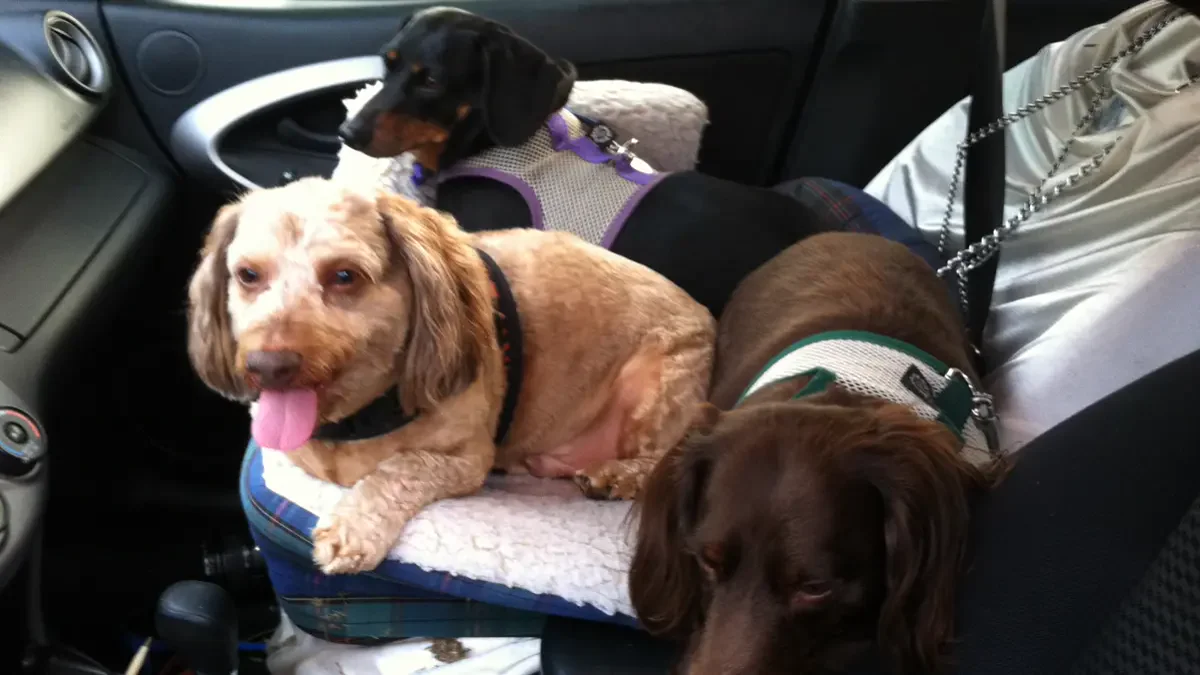
Avoid administering over-the-counter sedatives or human motion sickness medications without direct veterinary supervision. Many human antihistamines cause paradoxical agitation in canines or interact dangerously with underlying cardiovascular conditions. If your dog exhibits chronic motion distress, consult a licensed veterinarian prior to departure to discuss safe, clinically approved antiemetic options.
What Are the Dangers of Leaving Dogs in Parked Cars?
Leaving dogs unattended in parked cars creates severe heatstroke risks, as interior vehicle temperatures climb rapidly even on mild seventy-degree days. A published study from Stanford University demonstrated that closed automobile cabins warm by an average of forty degrees Fahrenheit within sixty minutes, regardless of outside temperature.
The greenhouse effect inside an enclosed vehicle traps solar radiation through glass windshields and side windows. Cracking windows open a few inches does almost nothing to slow the thermal rise, producing negligible airflow across passenger seats. When ambient outdoor air registers a comfortable seventy-two degrees, the interior cabin can surpass one hundred degrees within twenty minutes. Canines, which dissipate heat almost exclusively through respiratory panting, quickly enter respiratory distress.
Thirty-one states maintain specific statutes penalizing handlers who leave animals unattended in motor vehicles under dangerous temperature conditions, according to the Michigan State University Animal Legal and Historical Center (checked October 2026). In addition, numerous jurisdictions provide legal immunity for law enforcement officers, firefighters, and Good Samaritans who break vehicle windows to rescue distressed animals. Never leave an animal unattended while dining, checking into hotels, or visiting stores.
If you must purchase supplies along your highway route, seek drive-through facilities or take turns with a human passenger staying beside the vehicle with the air conditioning running. When driving solo on a road trip with dog, plan stops at pet-friendly outdoor plazas where animals can accompany you on a lead directly from the driver’s door.
Vehicle Departure Checklist for Pet Travel
Run through this comprehensive vehicle checklist before loading your pet and turning the ignition:
- Harness and Anchor Check: Verify that the crash-tested harness fits snugly across the ribcage and connects firmly to the vehicle anchor mechanism.
- Water and Feeding Kit: Pack two gallons of home tap water, collapsible silicone bowls, airtight food containers, and a measuring scoop.
- Medical and State Records: Place printed rabies vaccination certificates, microchip registry details, and vet contact cards in the vehicle glovebox.
- Clean-Up Supplies: Carry rolls of biodegradable waste bags, paper towels, pet-safe enzymatic disinfectant spray, and spare towels for muddy paws.
- Cabin Protection: Install a waterproof, non-slip rear bench hammock or fitted cargo liner to protect upholstery and prevent slipping.
- Comfort Items: Include the animal’s regular sleeping blanket and a favorite non-squeaking chew toy to provide familiar scents.
- Emergency First Aid: Pack cohesive flexible bandages, tick removal tweezers, sterile eyewash solution, and protective paw booties.
Before you load the car
Can a dog ride in the front passenger seat during a road trip?
No. Passenger-side front airbags deploy with explosive force designed for adult humans, causing severe or fatal trauma to dogs in a collision. Canines must ride in the rear seat or cargo space, secured with a tested harness or anchored crate.
How do I prevent my dog from experiencing car sickness?
Withhold large meals for three to four hours before departure, ensure the animal faces forward with an elevated travel harness, maintain steady cool airflow, and stop every two hours. Consult a veterinarian if nausea persists.
What should I do if my dog gets loose at a highway rest stop?
Do not chase the animal, as chasing triggers a fleeing response. Drop low to the ground, call their name calmly, shake a treat container, or open the vehicle door while calling them to load up. Notify highway patrol immediately if they approach active traffic lanes.
Are hotels legally required to accept pets on a road trip?
No. Commercial hotels and motels set their own independent pet policies, weight restrictions, and non-refundable fees. Only task-trained service animals under the Americans with Disabilities Act are granted legal access to non-pet lodging.
Is it safe to give my dog human calming medication for car travel?
Never administer human sedatives or over-the-counter medications to canines without an explicit prescription and dosage from a licensed veterinarian. Human drugs can cause fatal toxicity, paradoxical agitation, or severe respiratory depression in dogs.
How we researched this guide: Park and highway rules are checked against official agency pages, which change often; health advice is left to licensed veterinarians. The piece was drafted with AI help and edited by a writer.
Sources: American Kennel Club (akc.org), Center for Pet Safety (centerforpetsafety.org), USDA Animal and Plant Health Inspection Service (aphis.usda.gov), and American Veterinary Medical Association (avma.org).