Trailhead notes The practice of leaving dog in car environments poses severe physiological hazards due to the rapid greenhouse heating of enclosed cabins. On a mild seventy-degree day, vehicle interior temperatures surge to one hundred degrees Fahrenheit within twenty minutes, overwhelming canine panting mechanisms and triggering fatal heatstroke, irreversible brain damage, and criminal animal endangerment penalties.
Automobile cabins act as efficient solar heat traps. When direct sunlight penetrates vehicle window glass, dashboard vinyl, seat fabric, and floor carpeting absorb the short-wave radiation and convert it into long-wave thermal energy. Because glass blocks the escape of infrared heat, cabin temperatures escalate at alarming rates even when outside ambient air feels comfortable and breezy.
Many pet owners erroneously believe that cracking vehicle windows two inches or parking under tree canopy provides adequate ventilation. Peer-reviewed vehicular heat studies conclusively disprove these assumptions: cracked windows reduce cabin heating rates by an insignificant one to two degrees. Understanding the thermal science, biological limitations, and legal statutes surrounding unattended pets protects animals from preventable trauma.
- Rapid Heat Accumulation: Over eighty percent of total vehicular temperature increase occurs within the initial thirty minutes of engine shutoff.
- Panting Inefficiency: Dogs cool themselves primarily through respiratory evaporation; in hot humid car air, panting fails completely to lower body core heat.
- Window Cracking Ineffectiveness: Clinical studies show cracked windows produce zero meaningful reduction in internal peak temperatures.
- Legal Liabilities: Over thirty-one states enforce specific criminal statutes penalizing handlers who leave companion animals in hazardous vehicle conditions.
- Good Samaritan Rescue Protections: Multiple jurisdictions grant civil liability immunity to citizens who break car windows to rescue distressed animals after notifying law enforcement.
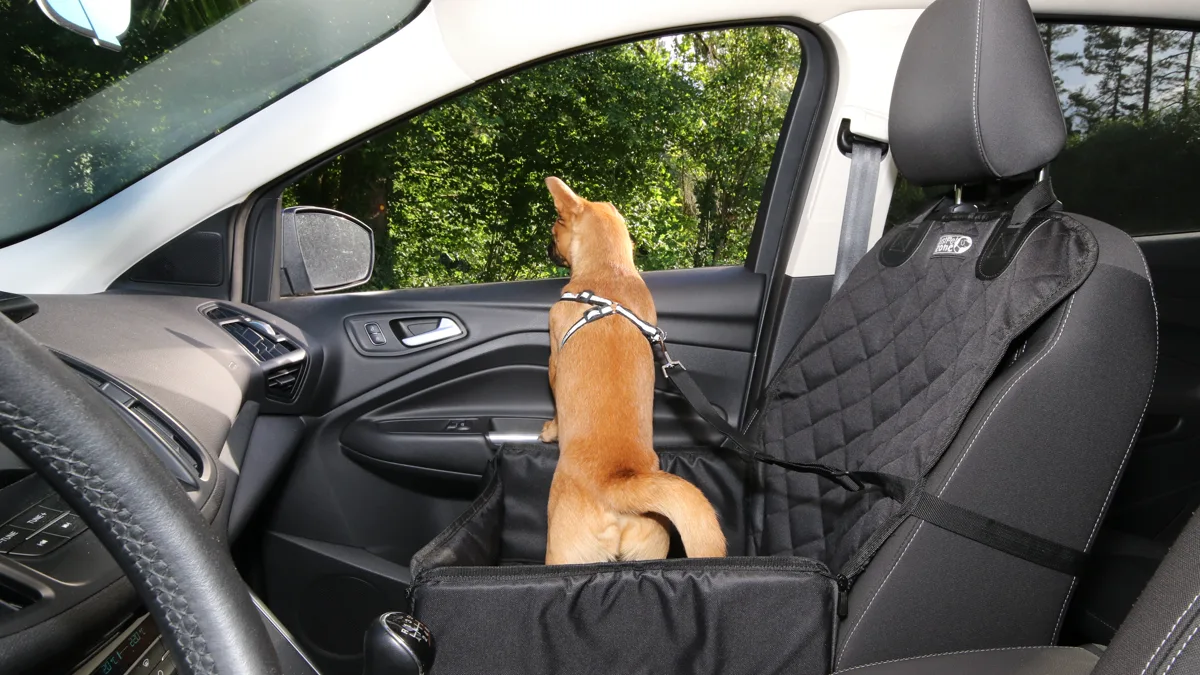
Why Is Leaving Dog in Car Extremely Hazardous?
The danger of leaving dog in car cabins stems from the enclosed volume of the passenger compartment, which transforms into a convective oven under direct or indirect solar radiation. Even with outside temperatures lingering in the sixties, solar radiation quickly elevates interior dashboard surfaces to over one hundred and fifty degrees Fahrenheit, radiating intense thermal energy throughout the cabin.
When canine body temperatures exceed one hundred and four degrees Fahrenheit, normal physiological cooling systems collapse. At one hundred and six degrees, cellular proteins begin denaturing, triggering systemic organ failure, internal gastrointestinal hemorrhaging, acute renal failure, and cerebral edema within fifteen minutes. No quick grocery errand justifies subjecting a companion animal to such catastrophic thermal exposure.
If you are planning long-distance interstate travel with pets, explore our comprehensive itinerary guide for a road trip with dog to plan pet-friendly rest stops and dining alternatives.
How Fast Does Vehicle Interior Temperature Rise?
Internal vehicular heat escalates on an exponential curve rather than a linear slope, with the most dramatic temperature surge occurring within the initial ten minutes of parking. Studies published by the American Academy of Pediatrics and Stanford University confirm that vehicle cabins heat by an average of nineteen degrees Fahrenheit within ten minutes and twenty-nine degrees within twenty minutes.
Several environmental factors accelerate this thermal buildup:
- Dark Interior Upholstery: Black and charcoal leather or fabric seating absorbs up to ninety percent of incoming solar energy, radiating secondary heat into the cabin atmosphere.
- Direct Windshield Angle: Large, steeply raked windshields channel maximum solar irradiance directly onto dark dashboard plastics.
- Ambient Humidity: High ambient humidity prevents whatever minimal evaporative cooling the dog attempts via respiratory panting.
When selecting vehicle travel safety gear across our curated reviews of road trips, ensure travel restraints allow companion animals to sit safely without contact with scorching seatbelt metal hardware.
Canine Thermal Physiology: Why Panting Fails in Cars
Unlike humans who possess millions of eccrine sweat glands across their entire skin surface, canines regulate body temperature almost exclusively through upper respiratory panting and minor moisture evaporation through paw pads. This physiological reality makes dogs acutely vulnerable to enclosed high-heat environments.
As a dog pants, air passes over moist nasal passages and tongue surfaces, transferring body heat to the expelled moisture. However, this cooling mechanism requires an ambient temperature lower than the dog’s body temperature (one hundred and one to one hundred and two point five degrees Fahrenheit) and relatively dry surrounding air. Inside a sealed vehicle, the dog’s rapid panting quickly saturates the cabin with exhaled humidity. Once relative humidity rises in a hot car, moisture can no longer evaporate from the canine tongue, causing internal body heat to skyrocket uncontrollably.
Short-muzzled brachycephalic breeds (such as Bulldogs, Pugs, and Boxers), elderly dogs, and thick double-coated northern breeds suffer fatal heatstroke in a fraction of the time required for athletic long-snouted working breeds.
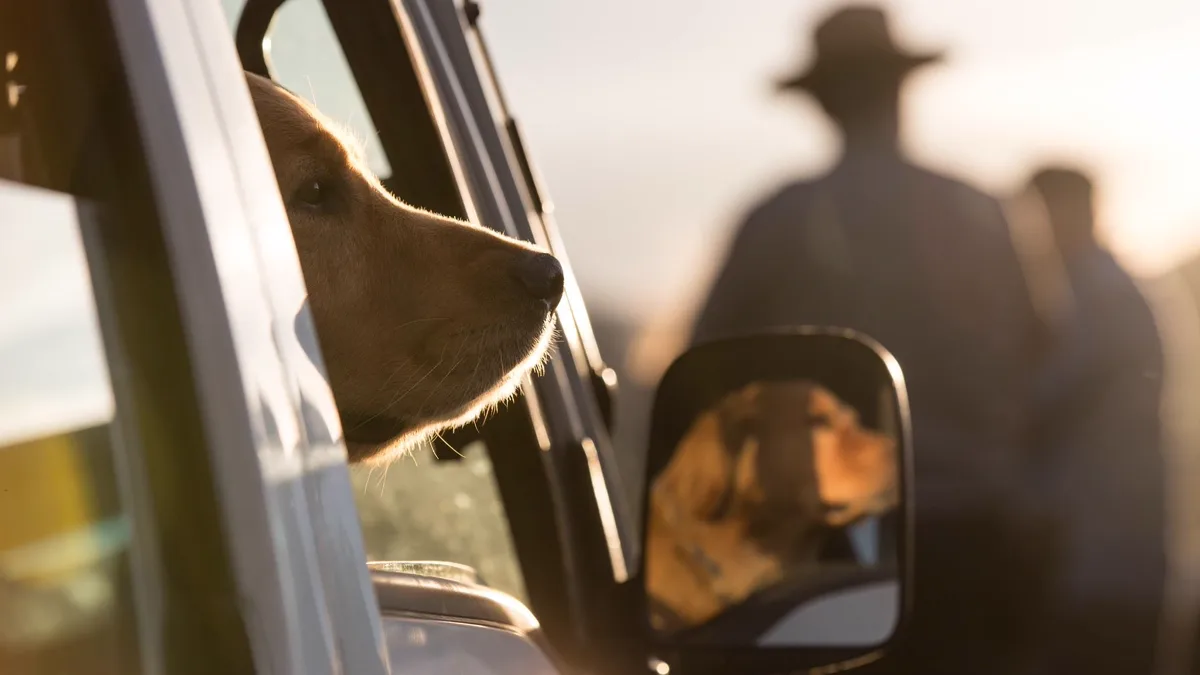
What State Laws and Good Samaritan Rules Apply?
Across the United States, animal protection statutes increasingly criminalize leaving companion animals unattended in motor vehicles under conditions that threaten health or well-being. Currently, thirty-one states plus the District of Columbia maintain specific pet vehicle safety statutes.
These laws typically fall into two legal categories:
- Direct Penalties for Owners: Handlers face misdemeanor charges, animal cruelty citations, hefty monetary fines, and potential jail sentences for confining animals in unventilated or extreme-temperature vehicles.
- Good Samaritan Civil Immunity: Over fifteen states (including California, Florida, Colorado, and Tennessee) have enacted Good Samaritan rescue legislation. These statutes protect public citizens from civil property damage lawsuits when they break into a locked vehicle to rescue a distressed animal, provided they adhere to strict procedural steps: verifying the vehicle is locked, having a reasonable belief the animal is in imminent danger, contacting local law enforcement or 911 prior to forcible entry, and remaining at the scene until first responders arrive.
For additional details on automotive restraint requirements and crash compliance, consult our engineering guide on selecting a certified crash tested dog harness.
Vehicle Interior Heat Escalation Data Matrix
The following empirical data matrix details cabin temperature escalation over sixty minutes based on landmark vehicular thermal research conducted by Stanford University Medical School:
| Outside Ambient Temp (°F) | 10 Minutes Inside (°F) | 20 Minutes Inside (°F) | 30 Minutes Inside (°F) | 60 Minutes Inside (°F) |
|---|---|---|---|---|
| 70°F (Mild Spring/Fall) | 89°F | 99°F | 104°F (Heatstroke Danger) | 115°F (Fatal Range) |
| 75°F (Warm Sunny Day) | 94°F | 104°F | 109°F (Critical Risk) | 120°F (Fatal Range) |
| 80°F (Summer Morning) | 99°F | 109°F | 114°F (Critical Risk) | 125°F (Fatal Range) |
| 85°F (Midday Summer) | 104°F | 114°F | 119°F (Immediate Lethality) | 130°F (Extreme Lethality) |
| 90°F (High Summer Heat) | 109°F | 119°F | 124°F (Immediate Lethality) | 135°F (Extreme Lethality) |
Source: Stanford University School of Medicine & American Academy of Pediatrics Vehicular Hyperthermia Studies (checked October 2026).
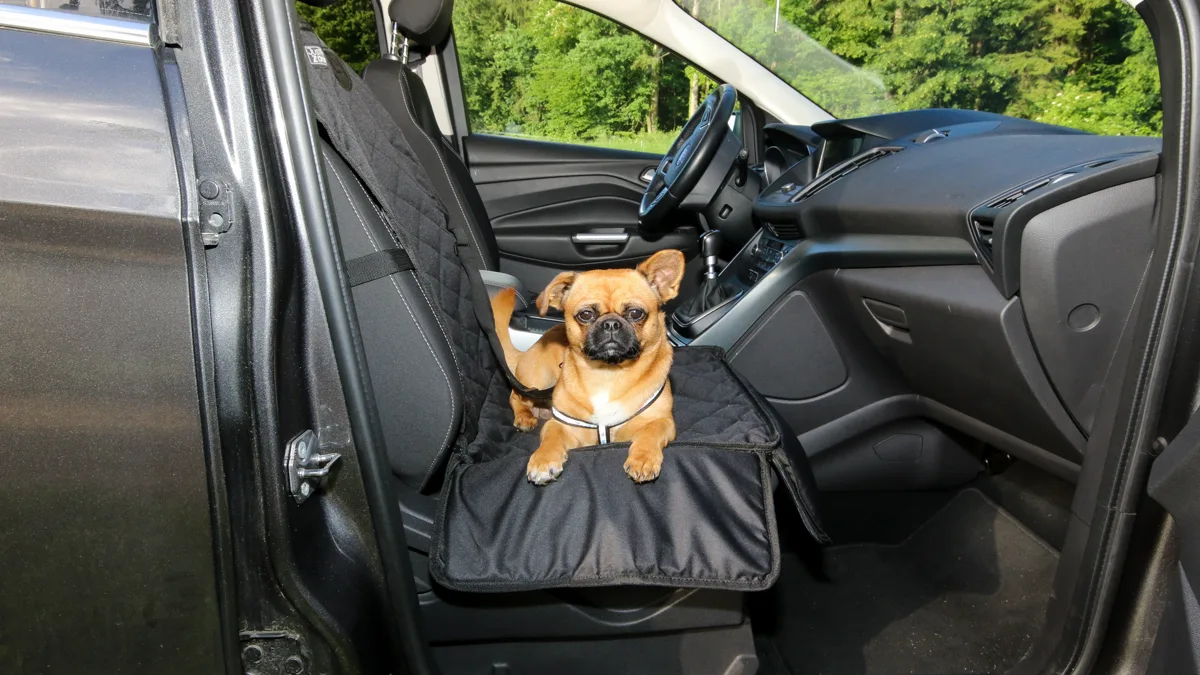
Do Electric Vehicle Pet Modes Provide Reliable Safety?
Modern electric vehicles (EVs) feature dedicated cabin climate maintenance systems (such as Tesla Dog Mode or Rivian Pet Comfort) designed to maintain air conditioning while the vehicle is locked and unoccupied. These systems display prominent center-screen notices displaying the interior temperature to reassure passersby that the pet is safe.
While EV pet climate modes represent a substantial technological advancement, handlers must remain cautious of potential system vulnerabilities:
- Battery Discharge Thresholds: Most EV pet modes automatically shut down if high-voltage traction battery levels drop below twenty percent state of charge.
- Software and Hardware Faults: Rare thermal compressor cutouts, blown fuses, or operating system resets can disable climate control without immediate handler awareness.
- Smartphone Telemetry Delays: Handlers should verify continuous mobile app connectivity and return to the vehicle immediately if climate alerts or network disconnects occur.
- Public Misunderstandings: Passersby unfamiliar with EV pet screens may still perceive the animal as trapped and call emergency services or attempt forced entry.
Before you lock the vehicle doors
Is it safe to leave a dog in the car with the windows cracked?
No. Scientific studies show that cracking windows by two inches has virtually no impact on internal heating rates, lowering cabin temperatures by only one to two degrees.
What ambient temperature is considered too hot for dogs in cars?
Any outside temperature above sixty-five degrees Fahrenheit in direct sunlight can quickly heat a car cabin to dangerous levels exceeding one hundred degrees within thirty minutes.
What are the first clinical signs of heatstroke in a dog?
Early symptoms include loud frantic panting, excessive thick drooling, bright red gums, wide unseeing eyes, vomiting, weakness, and difficulty standing.
Can I legally break a car window to save a dog in distress?
In states with Good Samaritan pet rescue laws, you can break a window if you reasonably believe the animal is in imminent danger, have called 911 first, and remain on scene.
How should you treat a dog suffering from vehicle heatstroke?
Move the dog immediately to shade or an air-conditioned room, apply cool (not ice-cold) water to their paws, groin, and neck, offer small sips of water, and transport them to a veterinary hospital immediately.
How we researched this guide: Vehicular hyperthermia statistics, canine physiological heat dissipation limits, and state legislative codes are compiled from published scientific studies by Stanford University School of Medicine, the American Veterinary Medical Association (avma.org), and the Animal Legal Defense Fund (aldf.org). The article was drafted with AI assistance and reviewed by an editorial writer.
Sources: American Veterinary Medical Association (avma.org), Stanford University School of Medicine (med.stanford.edu), American Academy of Pediatrics (aap.org), and Animal Legal Defense Fund (aldf.org).