Trailhead notes Determining how hot is too hot for dogs requires evaluating ambient air temperature, relative humidity, and solar radiation. Temperatures between seventy and seventy-seven degrees Fahrenheit present moderate risk for vulnerable breeds, while temperatures exceeding eighty-five degrees Fahrenheit create extreme, life-threatening heatstroke risks for all canines within thirty minutes of outdoor physical exertion.
Summer sunshine invites outdoor recreation, trail walks, and backyard games of fetch. However, canine thermal physiology differs fundamentally from human biology. While human athletes dissipate metabolic heat efficiently through full-body perspiration, dogs rely almost exclusively on respiratory panting to expel excess thermal energy from moist nasal and oral membranes.
When atmospheric temperatures rise, the thermal gradient between the dog’s internal core (one hundred and one to one hundred and two point five degrees Fahrenheit) and the surrounding air narrows dramatically. Combined with elevated humidity or direct solar radiation on dark asphalt, an ordinary afternoon walk can transform rapidly into a medical emergency. Understanding the environmental threshold metrics keeps companion animals safe throughout summer heatwaves.
- The 85°F Universal Threshold: Outdoor ambient temperatures above eighty-five degrees Fahrenheit pose severe heatstroke risks regardless of canine breed or fitness.
- The Humidity Multiplier: High relative humidity prevents saliva evaporation from the tongue, rendering panting biologically ineffective.
- Asphalt Thermal Radiation: Black asphalt absorbs solar energy, reaching one hundred and twenty-five degrees Fahrenheit on an eighty-five-degree sunny day.
- High-Risk Morphologies: Short-snouted brachycephalic dogs, obese pets, senior canines, and heavy double-coated northern breeds overheat in mild seventy-degree weather.
- Cooling Protocol Safety: Never submerge an overheated dog in ice water; rapid peripheral vasoconstriction traps lethal core heat inside internal organs.
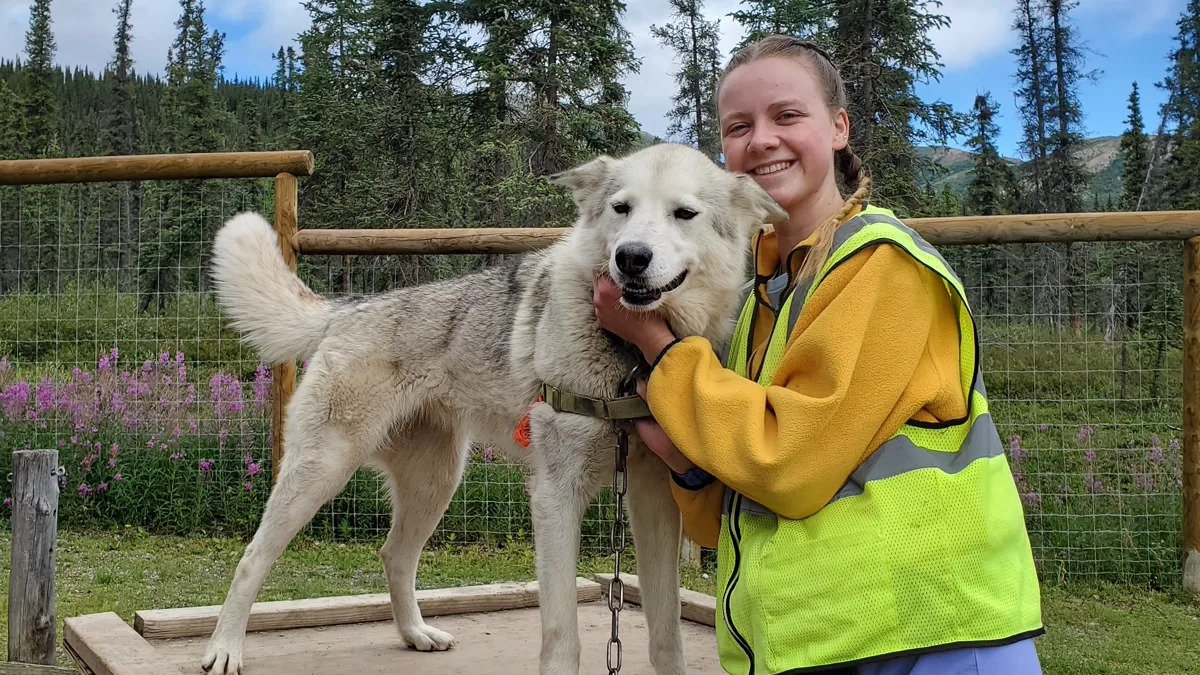
What Ambient Temperature Determines How Hot Is Too Hot for Dogs?
Veterinary thermal standards establish that ambient temperatures above seventy degrees Fahrenheit warrant initial caution, while seventy-five to eighty degrees introduces elevated risks for sensitive dogs, and eighty-five degrees represents an absolute danger zone for all breeds. Determining how hot is too hot for dogs depends on combining air temperature with solar irradiance and physical exertion levels.
Below seventy degrees Fahrenheit, healthy adult dogs generally regulate body temperature without distress during standard exercise. Once ambient air reaches seventy-five degrees, handlers should curtail intense cardiovascular activities like sprint fetch or continuous jogging. At eighty-five degrees and above, outdoor exercise should cease entirely, restricting canine outdoor exposure to brief, shaded bathroom breaks.
For seasonal comparisons regarding low-temperature environmental risks and hypothermia thresholds, consult our companion clinical guide on how cold is too cold for dogs.
How Does Relative Humidity Accelerate Canine Heatstroke?
Relative humidity exerts a profound multiplier effect on canine hyperthermia because dogs depend on evaporative cooling. When a dog pants, moisture from the tongue, palate, and upper respiratory mucosa evaporates into passing air currents, extracting latent heat from circulating bloodstream vessels.
When atmospheric relative humidity exceeds sixty percent, moisture cannot evaporate into the already saturated air. Consequently, the dog pants harder, which generates additional muscular metabolic heat without achieving any thermal dissipation. In high-humidity environments, a seemingly moderate seventy-eight-degree day can trigger severe canine hyperthermia faster than a dry ninety-degree desert afternoon.
Veterinary emergency clinicians utilize the combined heat index formula: when adding the ambient temperature in Fahrenheit to the relative humidity percentage, a sum exceeding one hundred and forty indicates significant thermal danger for companion animals.
Why Does Hot Pavement Destroy Canine Paw Pads?
Black asphalt and concrete sidewalk paving act as massive solar thermal batteries, absorbing shortwave radiation throughout the day and trapping heat within dense composite materials. Surface pavement temperatures consistently register forty to sixty degrees hotter than surrounding ambient air.
On an eighty-five-degree sunny afternoon, asphalt surface temperatures frequently reach one hundred and thirty-five to one hundred and forty degrees Fahrenheit. At one hundred and twenty-five degrees, canine paw pad skin experiences severe second-degree thermal burns and painful blister sloughing within sixty seconds of contact.
Handlers must employ the proven seven-second rule: place the back of your bare hand firmly against the pavement surface for seven consecutive seconds. If you cannot comfortably keep your hand pressed flat against the ground for the full duration, the surface is too hot for canine paws, requiring walks on natural grass or the application of protective footwear.

Which Dog Breeds Face the Highest Summer Heat Risk?
Brachycephalic breeds such as Bulldogs and Pugs face the highest heat risk, followed by thick double-coated northern breeds, senior dogs, and overweight pets. Their compromised respiratory anatomy and dense insulation prevent effective heat dissipation even in mild summer temperatures.
Individual canine anatomy, age, and health status dictate susceptibility to high-temperature environmental collapse:
| Ambient Air Temp (°F) | Asphalt Surface Temp (°F) | Risk Level for High-Risk Breeds | Risk Level for Healthy Working Breeds |
|---|---|---|---|
| 65°F – 69°F | 85°F – 95°F | Low Risk (Safe for all outdoor activities) | Minimal Risk (Optimal training range) |
| 70°F – 74°F | 100°F – 110°F | Moderate Risk (Monitor brachycephalics closely) | Low Risk (Provide regular fresh water breaks) |
| 75°F – 79°F | 115°F – 125°F | High Risk (Limit exercise to 15-minute bouts) | Moderate Risk (Avoid strenuous midday running) |
| 80°F – 84°F | 125°F – 135°F | Severe Danger (Restrict to shaded grass walks) | High Risk (Cut cardiovascular exercise short) |
| 85°F and Above | 135°F – 150°F+ | Critical / Lethal (Strict indoor confinement) | Severe Danger (Immediate heatstroke hazard) |
Source: Tufts University Cummings School of Veterinary Medicine Heat Index Matrix (checked October 2026).
High-risk categories include brachycephalic breeds (English Bulldogs, French Bulldogs, Pugs, Boston Terriers) whose shortened airways restrict airflow velocity, senior dogs with cardiovascular compromise, overweight dogs, and dense double-coated breeds (Huskies, Malamutes, Bernese Mountain Dogs).
For critical guidelines on managing vehicle travel and parking hazards during warm weather, review our detailed safety report on leaving dog in car spaces.
What Are the Clinical Signs of Heat Exhaustion and Heatstroke?
Recognizing the clinical progression from mild heat exhaustion to full systemic heatstroke allows handlers to initiate life-saving interventions before irreversible cellular necrosis occurs:
Phase 1: Heat Exhaustion:
- Heavy, loud panting with a widened, flattened tongue.
- Excessive thick, ropey saliva dripping from lips.
- Slowing pace, seeking shaded ground, and lagging behind on the leash.
- Elevated heart rate and warm ear pinnae.
Phase 2: Acute Systemic Heatstroke (Medical Emergency):
- Bright brick-red or muddy purple mucous membranes and gums.
- Disorientation, uncoordinated stumbling, or sudden collapse.
- Vomiting or hemorrhagic watery diarrhea.
- Glazed eyes, muscle tremors, seizures, and loss of consciousness.
- Rectal body temperature exceeding one hundred and four degrees Fahrenheit.

How Should You Cool an Overheated Dog in an Emergency?
Cool an overheated dog by immediately moving them to shade or air conditioning, pouring tepid water over their paws and groin, and running a fan over their body. Never use ice-cold water or ice baths, which constrict surface blood vessels and trap lethal heat inside internal organs.
Immediate on-scene cooling dramatically improves survival outcomes when canine heatstroke occurs. Follow this veterinary-approved first-aid protocol:
- Immediate Environmental Relocation: Move the dog instantly into deep shade, an air-conditioned vehicle cabin, or an indoor building.
- Apply Tepid Water: Pour cool or tepid tap water over the dog’s paws, groin, underbelly, and neck. Never use ice-cold water or ice baths, which cause peripheral blood vessels to constrict, trapping lethal heat inside vital organs.
- Enhance Airflow: Position an electric fan or vehicle air conditioning vents to blow air across wet skin surfaces, facilitating rapid convective and evaporative cooling.
- Offer Controlled Hydration: Allow the dog to lap small amounts of cool fresh water voluntarily. Never force-pour liquids into the mouth of a disoriented animal, which risks pulmonary aspiration.
- Target Safe Temperature Stop: Halt active cooling once the dog rectal temperature drops to one hundred and three degrees Fahrenheit to prevent hypothermic rebound shock, and transport the animal to an emergency veterinary clinic immediately.
For more environmental safety advice across diverse climates, explore our complete library of hot and cold weather outdoor recreation guides.
Before you step into the summer sun
What temperature is too hot to walk a dog on pavement?
When outside ambient air reaches eighty degrees Fahrenheit in direct sunlight, asphalt temperatures exceed one hundred and twenty-five degrees, which can blister canine paw pads in under sixty seconds.
How do I test if the ground is safe for dog paws?
Place the back of your bare hand firmly against the pavement for seven seconds. If the surface feels too hot for your hand, it is too hot for your dog’s paws.
Why are brachycephalic dogs more vulnerable to summer heat?
Short-snouted breeds possess compressed upper airways, elongated soft palates, and narrow nostrils that severely restrict air exchange, reducing evaporative cooling efficiency by more than fifty percent.
Should you use ice water to cool down an overheated dog?
No. Ice water causes peripheral blood vessels in the skin to constrict, trapping lethal core body heat inside internal organs and triggering dangerous shivering.
What time of day is safest to walk dogs during summer heatwaves?
Walk dogs during early morning hours before sunrise or late evening after sunset, when ground pavement and ambient temperatures reach their daily minimums.
How we researched this guide: Canine thermoregulation physiology, heat index safety matrices, and asphalt thermal absorption data are synthesized from published veterinary literature by the Cummings School of Veterinary Medicine at Tufts University, the American Veterinary Medical Association (avma.org), and the National Weather Service (weather.gov). The article was drafted with AI assistance and reviewed by an editorial writer.
Sources: American Veterinary Medical Association (avma.org), Tufts Cummings School of Veterinary Medicine (vet.tufts.edu), National Weather Service (weather.gov), and American College of Veterinary Emergency and Critical Care (acvecc.org).