Trailhead notes Dog friendly hotels require travelers to evaluate pet fee structures, breed or weight limits, and unattended room rules before booking. While economy brands often waive pet surcharges and luxury boutique properties welcome dogs of all sizes, standard commercial hotels typically charge non-refundable fees ranging from twenty to one hundred dollars per stay.
Traveling across the country with a canine companion introduces distinct lodging considerations. While finding pet friendly lodging was once a difficult logistical hurdle, thousands of contemporary hotel properties now welcome domestic pets. However, the label of pet friendly varies significantly across hospitality brands, ranging from complete open-door welcomes to restrictive policies featuring hefty non-refundable deposits and strict weight caps.
Before reserving a hotel room for an upcoming road trip, handlers must examine the specific pet policy of the individual property. Major franchise hotel brands allow individual property owners to establish independent fees, designated pet floors, and crate requirements. Understanding the nuances of hotel pet rules prevents surprise charges at check-in and ensures a comfortable stay for both handler and dog.
- Fee Structures Vary: Surcharges divide into per-night fees, flat per-stay rates, or zero-fee policies depending on the hospitality chain.
- Weight and Breed Constraints: Many properties enforce weight ceilings (such as forty or fifty pounds) or restrict the total number of pets to two per room.
- Unattended Pet Policies: Most commercial hotels prohibit leaving dogs unattended in guest rooms unless the animal is secured inside an approved travel crate.
- Designated Pet Rooms: Properties often reserve specific first-floor or exterior-entry rooms for guests traveling with animals to manage allergy concerns.
- Service Animal Exemption: Under the Americans with Disabilities Act, task-trained service dogs are exempt from pet fees, size limits, and room restrictions.
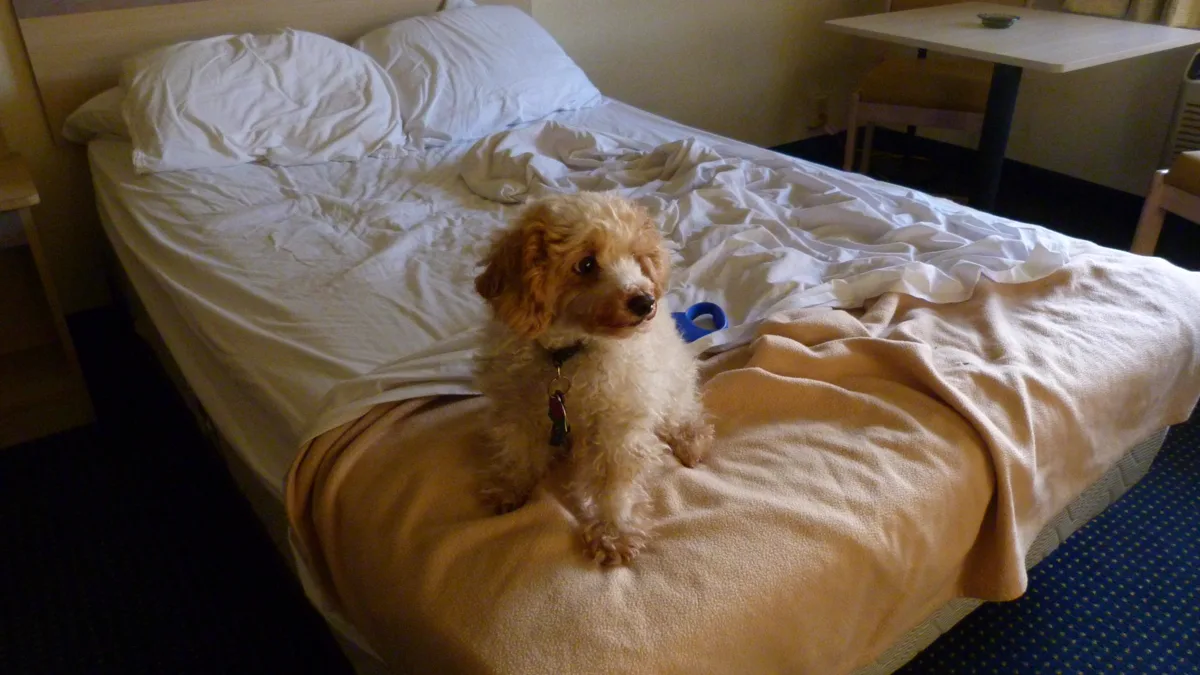
How Do Fee Structures Function at Dog Friendly Hotels?
Understanding pet billing structures at dog friendly hotels requires distinguishing between flat per-stay charges, nightly recurring surcharges, and refundable sanitation deposits. A property advertising a low room rate can quickly become expensive once secondary pet fees are added to the final invoice.
Hospitality chains generally implement one of three standard financial models for companion animals:
- Zero-Fee Hospitality Brands: Select brands, such as Motel 6 and Kimpton Hotels, welcome domestic pets without charging additional daily fees or cleaning deposits (checked October 2026).
- Flat Per-Stay Surcharges: Mid-tier properties frequently charge a single flat cleaning fee (typically thirty-five to seventy-five dollars per stay) regardless of whether the guest stays for one night or four nights.
- Recurring Nightly Pet Fees: Upscale extended-stay chains often assess a nightly fee (fifteen to fifty dollars per night), which accumulates significantly over multi-day travel itineraries.
When planning automotive travel across several states, booking through third-party travel aggregator websites can obscure local pet policies. Many third-party booking portals display pet friendly filters without specifying the property’s current fee or size restrictions. Handlers should always contact the front desk directly after reserving online to confirm active rates in our curated directory of dog-friendly stays.
What Are the Common Pet Restrictions and Weight Limits?
Beyond financial fees, dog friendly hotels enforce operational restrictions designed to manage facility maintenance and guest comfort. The most common restrictions involve canine weight thresholds, breed restrictions, and numerical limits per guest room.
Many franchise properties limit companion dogs to animals weighing under fifty or eighty pounds, effectively excluding large working breeds such as Great Danes, Mastiffs, or Saint Bernards. In contrast, brands like Kimpton maintain an inclusive policy stating that if an animal fits through the front door, they are welcome to stay. Always verify whether a weight restriction applies per individual dog or as a combined total for multiple pets.
Numerical limits typically permit a maximum of two dogs per room. Properties with exterior corridor entrances (such as classic roadside motels) often prove more convenient for handlers on an extended road trip with dog, as they allow direct outdoor access for early morning bathroom breaks without passing through crowded central lobbies and elevators.
| Policy Term | What the Term Means | Key Question to Ask the Front Desk | Standard Industry Practice |
|---|---|---|---|
| Per-Stay Pet Fee | A single flat charge applied once per reservation. | Is this fee assessed per dog or per entire room stay? | $25 to $75 flat fee (checked October 2026) |
| Nightly Pet Surcharge | A daily fee added to the room folio for every night. | Is there a maximum cap on nightly pet charges? | $15 to $50 per night (checked October 2026) |
| Weight Ceiling | Maximum allowable weight for visiting canines. | Does the weight cap apply individually or combined? | Typically 25 to 50 lbs at franchise units |
| Unattended Pet Rule | Guidelines governing animals left alone in rooms. | Are pets permitted alone if secured in a hard crate? | Strictly prohibited or crate-mandatory |
| Designated Pet Block | Specific rooms or floors allocated for pets. | Can we request a first-floor room near outdoor exits? | Restricted to ground floors or vinyl-tile units |
Source: Hospitality Brand Pet Guidelines and U.S. Department of Justice ADA Guidance (checked October 2026).
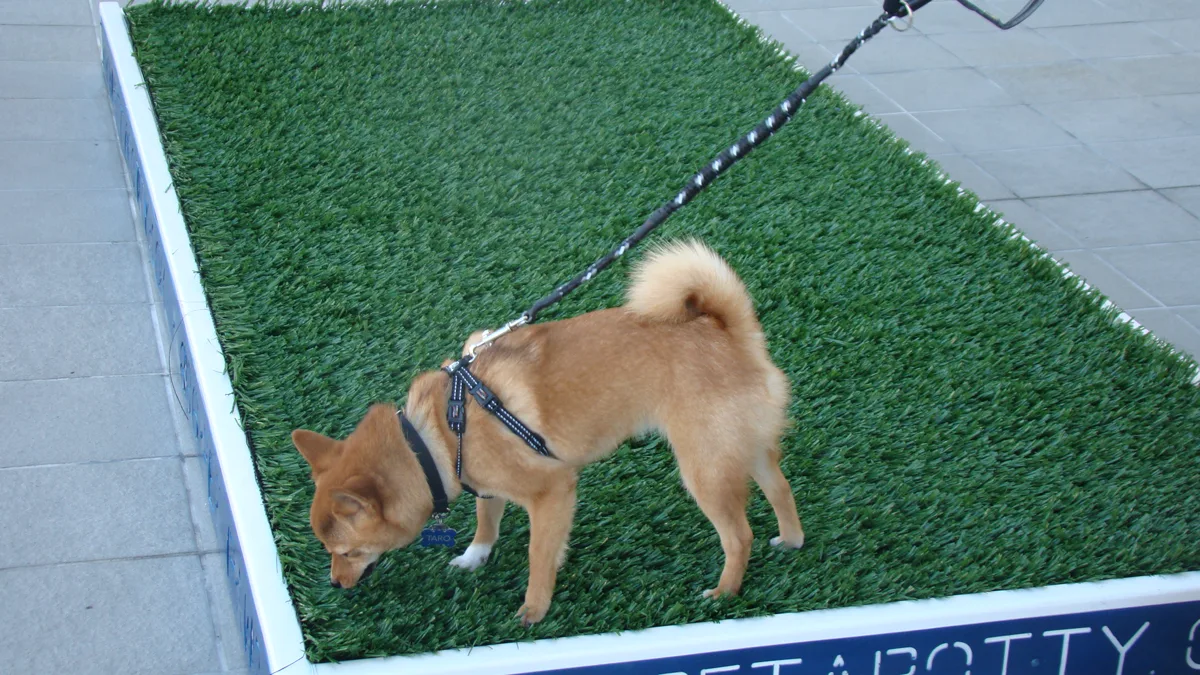
What Are the Rules for Leaving Dogs Unattended in Guest Rooms?
One of the most strictly enforced regulations at dog friendly hotels involves leaving animals unattended in guest rooms. The majority of hotel management policies explicitly forbid leaving companion animals alone in a room, even for short periods while handlers dine or visit local attractions.
Hotels enforce unattended pet rules to prevent property damage and guest disturbances. Unfamiliar noises in commercial corridors (such as rolling luggage carts, slamming doors, and elevator chimes) frequently trigger separation anxiety in traveling dogs, leading to persistent barking or destructive scratching at entryway carpets. If a dog barks continuously, hotel management retains the legal right to contact the handler for immediate return, levy noise disturbance fees, or terminate the lodging agreement without refund.
Properties that permit unattended pets almost universally require that the dog be secured inside an enclosed, sturdy travel crate. Handlers must provide a working mobile phone number at the front desk and remain within a fifteen-minute radius of the property. Never leave an anxious animal loose in an unfamiliar hotel room, as sudden housekeeping entry can result in canine escape or defensive biting encounters.
How Do ADA Service Animal Rules Differ from Pet Policies?
Under federal law, task-trained service animals are legally distinct from domestic pets. The Americans with Disabilities Act defines a service animal specifically as a dog that has been individually trained to do work or perform tasks for the benefit of an individual with a disability, as published in U.S. Department of Justice ADA Title III regulations (checked October 2026).
Because service animals are medical working partners rather than companion pets, commercial lodging facilities are legally prohibited from subjecting them to standard pet policies. The Americans with Disabilities Act establishes the following non-negotiable rights for service dog teams:
- No Pet Surcharges: Hotels cannot charge pet fees, nightly cleaning surcharges, or extra deposits for service animals.
- No Weight or Breed Exclusions: Service dogs cannot be excluded based on breed, size, or hotel weight ceilings.
- Full Facility Access: Service animals may accompany their handlers into all areas open to guests, including breakfast dining rooms, fitness centers, and standard guest floors.
- No Room Confinement: Service teams cannot be restricted exclusively to designated pet rooms or smoking floors.
Under federal regulations, emotional support animals, therapy dogs, and companion pets do not qualify as service animals under Title III of the ADA. Public lodging establishments are not legally required to accommodate emotional support animals and may apply standard pet fees and restrictions to them.
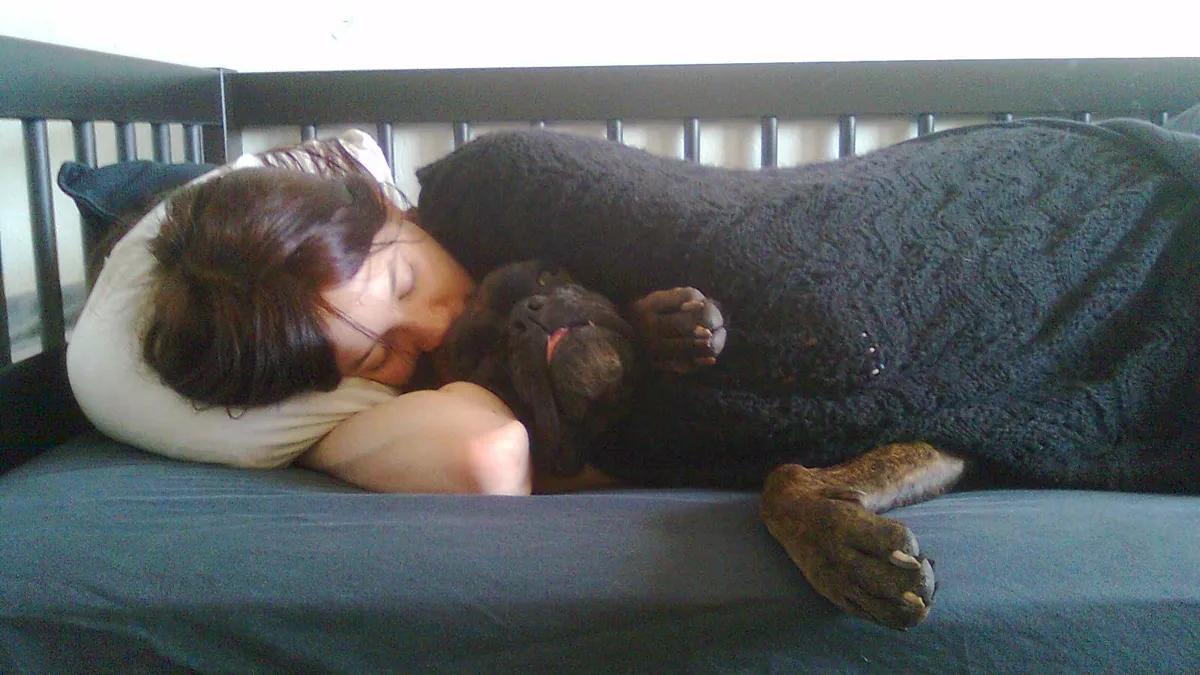
How Do Handlers Maintain Cleanliness and Prevent Noise Complaints?
Responsible room etiquette ensures that commercial establishments remain welcoming to canine travelers. Practicing good stewardship protects hotel furnishings, respects housekeeping staff, and helps keep pet friendly travel accessible for the wider community.
Always bring a clean fitted sheet or throw blanket from home to cover the hotel bedspread and sofa cushions. Even well-groomed canines shed hair and transfer outdoor dust to upholstery. If your dog gets wet or muddy during outdoor recreation, towel dry their paws thoroughly in the parking area before walking through the hotel lobby.
Housekeeping staff should never enter a room while an unrestrained animal is present. Hang the Do Not Disturb sign on the exterior door handle throughout your stay to prevent accidental entry. If you require fresh towels or trash removal, coordinate directly with the front desk to schedule service while you take your dog on an outdoor walking loop.
Hotel Check-In Checklist for Traveling Handlers
Review this practical checklist when arriving at your pet friendly lodging destination:
- Pre-Arrival Confirmation: Call the property directly forty-eight hours before arrival to ensure your pet reservation is noted on the room folio.
- Dedicated Dog Bed and Blankets: Set up your dog’s familiar travel bed and sleeping blanket on the room floor immediately upon arrival.
- Food and Water Mats: Place a waterproof silicone mat beneath food and water dishes to protect hotel carpeting from moisture spills.
- Waste Disposal Location: Identify the property’s designated outdoor pet relief area and locate outdoor waste disposal bins during your initial walk.
- Noise Management: Turn on the room television or a white noise application at a low volume to mask hallway footsteps and elevator chimes.
- Emergency Cleaning Kit: Keep enzymatic stain cleaner, paper towels, and spare waste bags inside your vehicle for unexpected accidents.
Before you load the car
Do all pet friendly hotels charge extra fees for dogs?
No. Several major hospitality brands, including Motel 6 and Kimpton Hotels, do not charge pet fees or cleaning deposits. However, most commercial franchise hotels charge non-refundable fees between twenty and one hundred dollars per stay.
Can a hotel legally charge a pet fee for a service dog?
No. Under the Americans with Disabilities Act, hotels and motels are prohibited from charging pet fees, cleaning deposits, or surcharges for task-trained service animals. Handlers remain responsible only for actual physical damages caused by the animal.
Are dogs allowed on hotel furniture and beds?
Most hotel pet policies request that animals remain off beds and sofas to prevent damage and excessive shedding. Handlers should pack a familiar dog travel bed or cover hotel bedding with a clean personal throw blanket.
What should I do if my dog barks when left alone in a hotel room?
Do not leave an anxious dog unattended. If an animal barks in a hotel room, take them with you or use local dog daycare services. Persistent noise complaints can result in hotel management requiring immediate checkout without refund.
How many dogs can stay in a single hotel room?
Most pet friendly properties limit guests to a maximum of two dogs per room. Handlers traveling with three or more animals must contact hotel management in advance to request special managerial authorization.
How we researched this guide: Lodging brand pet policies are verified directly against official corporate guidelines (checked October 2026); legal distinctions governing service animals follow U.S. Department of Justice ADA Title III regulations. The article was drafted with AI assistance and reviewed by an editorial writer.
Sources: U.S. Department of Justice (ada.gov), American Hotel & Lodging Association (ahla.com), Motel 6 Policies (motel6.com), and Kimpton Hotels Pet Program (ihg.com/kimptonhotels).