Alpine policy summary While dog friendly ski resorts welcome pets in mountain village plazas and designated Nordic cross-country trail loops, domestic dogs are strictly prohibited on all lift-served downhill ski slopes. Traveling successfully requires booking pet-approved lodging, utilizing local dog daycare services during ski sessions, and adhering to cold weather paw protection protocols.
Planning a winter vacation to alpine ski destinations with a canine companion requires realistic expectations regarding mountain access. Many prospective visitors mistakenly imagine skiing downhill alongside their pets. However, strict resort safety standards, insurance mandates, and heavy machinery operations prohibit pets from active ski runs. Preparation ensures success.
A rewarding winter sports trip is entirely achievable when handlers understand the boundary between downhill ski operations and peripheral mountain amenities. Many world-class ski towns offer dog-friendly Nordic touring networks, scenic snowshoe trails, heated village strolls, and specialized pet lodging. By coordinating resort daycare arrangements and understanding alpine climate demands, travelers can enjoy full days on the slopes while keeping pets safe and comfortable.
- Downhill Alpine Slopes Ban Pets: Operating ski areas universally exclude domestic dogs from chairlifts, gondolas, and active downhill runs for safety.
- Nordic Centers Offer Dedicated Loops: Cross-country touring centers frequently provide groomed dog-friendly classic and skate ski trails.
- Working Patrol Dogs Are the Exception: Highly trained avalanche rescue dogs undergo specialized certification and work strictly under ski patrol command.
- Ski Town Lodging Mandates Advance Planning: Pet-friendly mountain hotels enforce non-refundable cleaning fees and forbid leaving unattended dogs in guest rooms.
- Sub-Zero Paws Require Protection: Sharp ski edges, ice crusts, and chemical de-icing salts demand durable winter booties and protective wax.
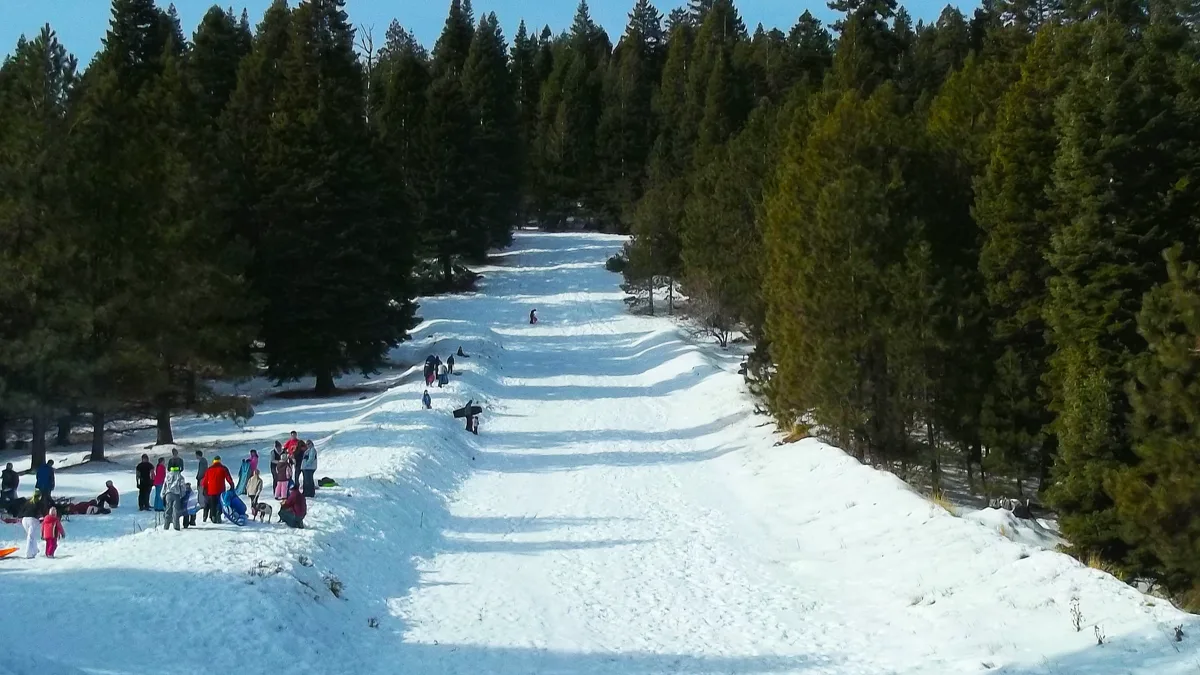
Why Do Alpine Ski Slopes Strictly Prohibit Domestic Dogs?
Operating alpine ski areas present severe mechanical and physical hazards that make downhill ski runs entirely unsafe for domestic pets. According to operational safety policies established by the National Ski Areas Association (NSAA, checked November 2026), domestic animals are strictly excluded from moving chairlifts, aerial tramways, surface tows, and open downhill ski terrain.
High-speed collision risks represent the primary safety concern. Downhill skiers and snowboarders travel at speeds between twenty and forty miles per hour. Metal ski edges and sharp snowboard sidecuts inflict catastrophic lacerations on canine legs and tendons during unexpected crossings. In addition, a loose dog running across a crowded downhill trail forces skiers to make sudden evasive turns, creating severe human collision risks.
Industrial machinery operations introduce additional dangers. Alpine ski resorts deploy multi-ton snow grooming machines, high-pressure snowmaking fan guns, and motorized snowmobiles across mountain terrain around the clock. Winch cables used during steep-slope grooming are suspended under thousands of pounds of tension and can cause instant fatal trauma. Except for certified service animals performing specific tasks in designated village base areas, non-working pets must remain off the mountain.
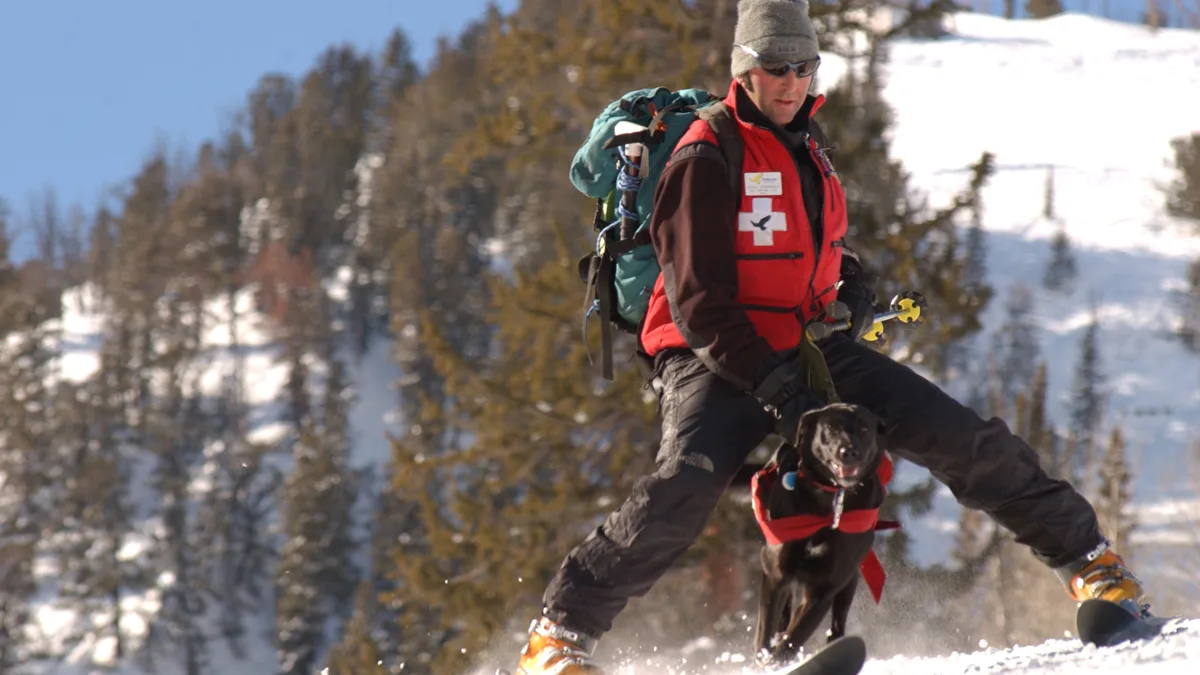
Working avalanche rescue dogs represent the only authorized canines on alpine slopes. These working dogs undergo years of specialized search and rescue training, ride chairlifts under direct handler supervision, and live on the mountain to locate avalanche victims buried beneath snow slides. They are working emergency assets rather than recreational pets.
How Do Dog Friendly Ski Resorts Accommodate Cross-Country Skiers?
While alpine downhill slopes remain off-limits, leading winter mountain destinations accommodate canine recreation through dedicated Nordic centers and peripheral backcountry trail networks. These facilities maintain specific groomed trails where handlers can enjoy cross-country skiing, skijoring, and snowshoeing alongside their dogs.
Nordic centers typically designate specific multi-use or dog-friendly trail loops separated from primary classic track systems. Handlers must purchase a daily canine trail pass ($5 to $15) to support snow maintenance and waste management infrastructure. Dogs must remain leashed at the touring center trailhead and transition to reliable voice control or hands-free waist leashes once on the designated dog loop. Handlers interested in dedicated snowshoe routes should review our complete guide on snowshoeing with dog winter pacing.
Cold-weather physiology is a vital consideration at high elevations. Alpine resort base areas regularly sit between seven thousand and ten thousand feet above sea level, where sub-zero temperatures and thin air accelerate dehydration and hypothermia. Short-coated breeds require insulated winter jackets and protective dog booties to prevent painful snow buildup between toe pads. Handlers should consult our detailed cold weather temperature chart before embarking on winter trails.
Comparison of Canine Access Across Leading Ski Destinations
Reviewing published pet policies across prominent North American ski destinations illustrates the clear separation between alpine slopes, Nordic touring trails, and village amenities (verified November 2026).
| Ski Resort Area | Downhill Alpine Slope Access | Designated Nordic Dog Trails | Village & Base Area Policy | Official Resort Source |
|---|---|---|---|---|
| Aspen Snowmass, CO | Prohibited (No pets on lifts or slopes) | Permitted on designated Aspen Nordic Trail System loops | Welcomed on outdoor village pedestrian malls on leash | Aspen Snowmass Mountain Safety (checked Nov 2026) |
| Sun Valley Resort, ID | Prohibited (Bald Mountain closed to pets) | Sun Valley Nordic Center features over 10 km of dog loops | Allowed in outdoor village plazas and select outdoor dining | Sun Valley Resort Regulations |
| Palisades Tahoe, CA | Prohibited (Strictly banned on downhill runs) | Designated pet snowshoe corridors outside ski boundaries | Leashed dogs permitted in The Village at Palisades Tahoe | Palisades Tahoe Safety Operations |
| Steamboat Resort, CO | Prohibited (No pets on chairlifts or ski trails) | Haymaker Nordic Center provides dedicated canine loops | Allowed in Steamboat Mountain Village outdoor walkways | Steamboat Ski & Resort Corporation |
| Vail Mountain, CO | Prohibited (Total downhill slope exclusion) | Vail Nordic Center permits dogs on select outer perimeter loops | Leashed dogs welcomed in Vail Village pedestrian streets | Vail Resorts Mountain Guidelines |
| Mt. Bachelor, OR | Prohibited (Alpine lifts restricted to skiers) | Mt. Bachelor Nordic Center offers 2 km dedicated dog trail | Designated off-leash dog park area near West Village parking | Mt. Bachelor Operations Directives |
Source: Official Resort Operating Regulations and Mountain Safety Charters (checked November 2026). Mentioned nominatively for informational purposes.
What Lodging and Daycare Options Exist in Ski Towns?
Managing lodging and daytime supervision is the key logistical hurdle for skiers traveling with pets. Because dogs cannot accompany handlers on the ski slopes, establishing a reliable daily plan prevents distress and property damage.
Pet-friendly alpine lodging ranges from luxury ski-in chalets to independent mountain motels. Hotels typically charge a non-refundable pet fee ranging from $50 to $150 per stay or assess a daily surcharge of $25 to $50 per pet. A universal rule across mountain accommodations is that dogs cannot be left unattended in guest rooms unless secured inside an airline-approved travel crate. For travelers seeking standalone rustic properties, consult our guide to booking dog friendly cabins in mountain regions within our dog-friendly stays section.
Commercial dog daycare centers located in ski towns provide the ideal daytime solution. Facilities in towns like Breckenridge, Park City, and South Lake Tahoe offer heated indoor play areas, supervised outdoor snow yards, and full-day boarding tailored for skiing tourists. Book daycare reservations several weeks in advance, as peak holiday ski periods sell out rapidly. Most facilities require complete vaccination records, including rabies, bordetella, and distemper.
Six-Point Mountain Resort Canine Preparedness Checklist
- Daycare Reservation Confirmation: Secure daytime boarding or daycare spots in the ski town well before departure.
- Veterinary Vaccination Portfolio: Pack current printed proof of rabies, distemper, and bordetella vaccinations for lodging and daycare check-in.
- Insulated Apparel and Booties: Pack a fleece-lined waterproof jacket and durable rubberized booties for freezing mountain strolls.
- Paw Pad Wax Application: Apply a dense beeswax-based barrier balm to paw pads daily to prevent snow clumping and chemical ice-melt irritation.
- Heavy-Duty Travel Crate: Bring a sturdy folding or rotomolded crate to ensure secure in-room containment during brief absences.
- Reflective Night Leash Rig: Equip your dog with a lighted collar and reflective six-foot leash for high visibility during dark snowy village walks.
Before you pack your winter gear
Can I ride a ski resort gondola with my pet dog?
No. Standard ski resort gondolas and chairlifts strictly prohibit non-working domestic pets during winter operations. Certified service animals performing specific disability support tasks are the only exception.
Are dogs allowed on cross-country ski trails at ski resorts?
Many ski resort Nordic centers provide dedicated cross-country ski loops where dogs are permitted on leash or under voice control. Handlers must generally purchase a modest canine trail pass ($5 to $15) to access these trails.
Can I leave my dog alone in a ski resort hotel room while I ski?
Most ski resort hotels strictly forbid leaving pets unattended in rooms due to barking and property damage risks. Hotels that permit unattended pets mandate that the animal be secured inside an approved crate at all times.
How do ski patrol avalanche rescue dogs get on the mountain?
Certified avalanche rescue dogs are trained to ride chairlifts and snowmobiles safely with their professional ski patrol handlers. They undergo rigorous multi-year search certification and are working emergency assets.
How do I protect my dog from toxic ice melt in ski villages?
Commercial chemical de-icers used on ski town sidewalks cause skin irritation and toxic ingestion if licked. Fit your dog with protective winter booties or thoroughly wash and wipe paw pads with warm water after every village walk.
Ski resort operating policies and Nordic access rules are verified directly with mountain operations departments and land-use agencies, which change seasonally; veterinary health and cold exposure thresholds are left to licensed veterinarians. How We Researched This Guide: We consulted National Ski Areas Association safety standards, cross-country trail directives from regional Nordic associations, and veterinary cold-weather athletic protocols.