Trailhead notes Skijoring with dog companions combines cross-country skiing with canine pulling power using an ergonomic waist belt, a shock-absorbing bungee towline, and a padded X-back harness. Handlers must master directional voice cues on dry land, ensure dogs are physically mature, and select dedicated dog-friendly ski trails.
Gliding across a snow-covered landscape while linked to an enthusiastic, galloping canine partner represents one of winter’s most exhilarating outdoor pursuits. Skijoring blends cross-country skate or classic skiing with the pulling drive of a working dog. Success requires specialized safety equipment, sound physical conditioning, and clear directional communication. Practice patience.
Originating in Scandinavia as a practical method of winter transportation, skijoring has evolved into a popular recreational and competitive sport across northern regions. The sport requires a collaborative partnership where human and animal share physical effort. Handlers who condition their pets gradually and observe trail etiquette ensure safe, injury-free winter recreation on public snow trails.
- Proper Harnessing Is Mandatory: Never attach a towline to a neck collar or walking harness; use a padded X-back or multi-sport pulling harness.
- Bungee Towlines Absorb Shock: A nine-foot line with an internal elastic shock cord prevents sudden jarring forces on canine spines.
- Voice Commands Must Come First: Teach directional cues (hike, gee, haw, whoa) on walking paths before stepping onto skis.
- Canine Maturity Is Critical: Dogs must be at least one to two years of age with growth plates fully closed before starting pulling sports.
- Trail Selection Requires Care: Skijoring is restricted to designated multi-use trails and dog-friendly Nordic touring networks.
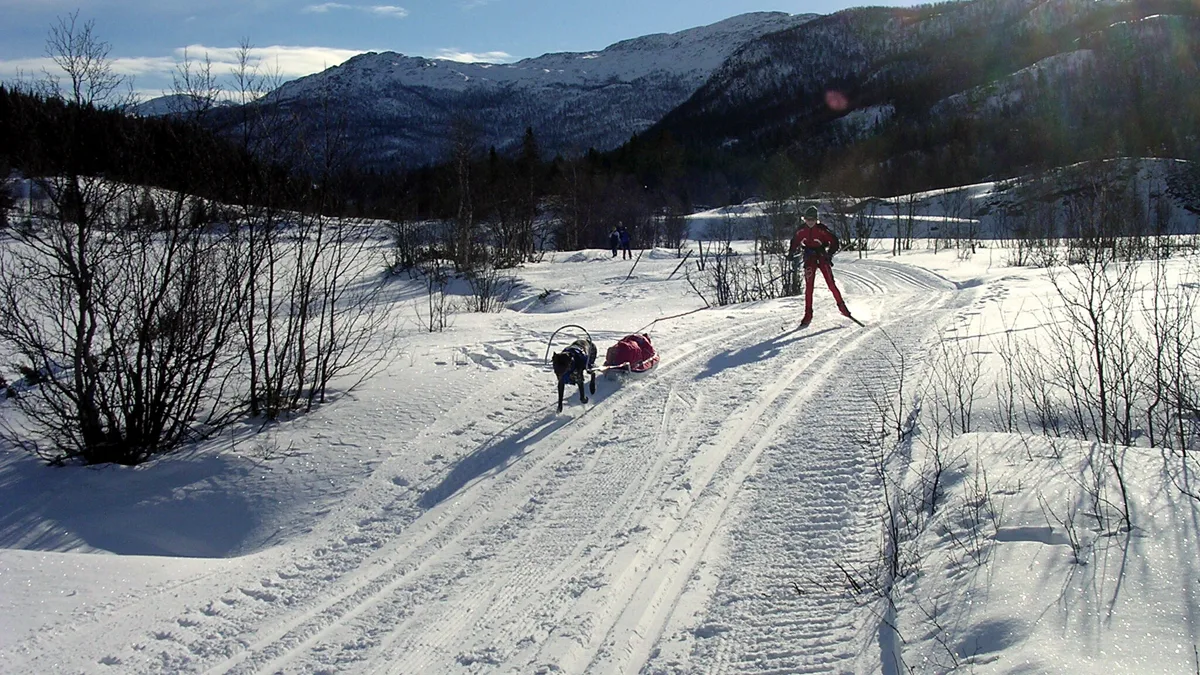
What Is Skijoring and Which Dogs Excel at the Sport?
Skijoring with dog partners is an outdoor winter sport where a cross-country skier is assisted by one or two dogs wearing pulling harnesses. According to competition standards defined by the International Sled Dog Racing Association (ISDRA, checked November 2026), the dog provides forward momentum while the skier actively glides and poles alongside.
Any healthy, athletic canine weighing more than thirty-five pounds with a natural desire to run and pull can participate. While traditional northern breeds like Siberian Huskies and Alaskan Malamutes excel naturally, sporting breeds such as German Shorthaired Pointers, Labrador Retrievers, and Eurohounds are popular participants in modern skijoring. The dog must possess sufficient body mass to pull without physical strain.
Canine skeletal maturity is an absolute prerequisite. Young dogs undergoing skeletal development risk severe joint and growth plate injuries if subjected to heavy pulling loads. Consult a licensed veterinarian to confirm complete skeletal growth and cardiovascular soundness before beginning pulling training. Handlers can explore our guide on snowshoeing with dog winter pacing to build initial winter endurance.
Handlers must also maintain solid cross-country skiing fundamentals before adding a dog. You must be capable of stopping reliably, snowplowing on descents, and navigating moderate turns on narrow trails while maintaining your balance on skis.
| Mushing Sport Discipline | Primary Season | Essential Equipment Setup | Designated Trail Surface |
|---|---|---|---|
| Winter Skijoring | Winter (Packed Snow) | Skis, poles, skijor belt, 9-foot bungee line, X-back harness. | Groomed multi-use snow trails; dog-allowed Nordic loops. |
| Canicross (Trail Running) | Spring, Autumn, Cool Summer | Running shoes, hands-free waist belt, 6-foot bungee line, harness. | Dirt forest paths; unpaved recreation corridors. |
| Bikejoring (Cycling) | Spring, Autumn (Below 60°F) | Mountain bike, frame antenna guide, 9-foot line, harness, helmet. | Wide non-motorized dirt trails; smooth gravel roads. |
| Dryland Scooter Mushing | Spring, Autumn | All-terrain kick scooter, antenna, bungee line, harness, helmet. | Firm dirt roads; flat packed gravel paths. |
Source: International Sled Dog Racing Association (ISDRA) and North American Canicross Federation Standards (checked November 2026).
What Essential Gear Is Required for Skijoring with Dog Partners?
Participating safely in skijoring requires four integrated components: an ergonomic human skijor belt, a shock-absorbing bungee towline, a properly fitted canine pulling harness, and cross-country skis. Standard pet walking gear is completely unsuitable and dangerous for pulling sports.
The human skijor belt sits low on the handler’s hips across the pelvic bones, utilizing leg straps to prevent the belt from riding up into the small of the back. It features a quick-release panic snap that detaches instantly under load if the skier falls or encounters an obstacle. Never tie a towline directly to your waist or hold the leash in your hands.
The towline connects the skier to the dog and measures between eight and ten feet when fully extended. It incorporates a heavy-duty internal bungee section that absorbs sudden jerks and transitions, smoothing the pull for both animal and skier. A padded X-back harness or H-back pulling harness distributes pulling forces evenly across the dog’s chest and ribcage, keeping the airway completely open.
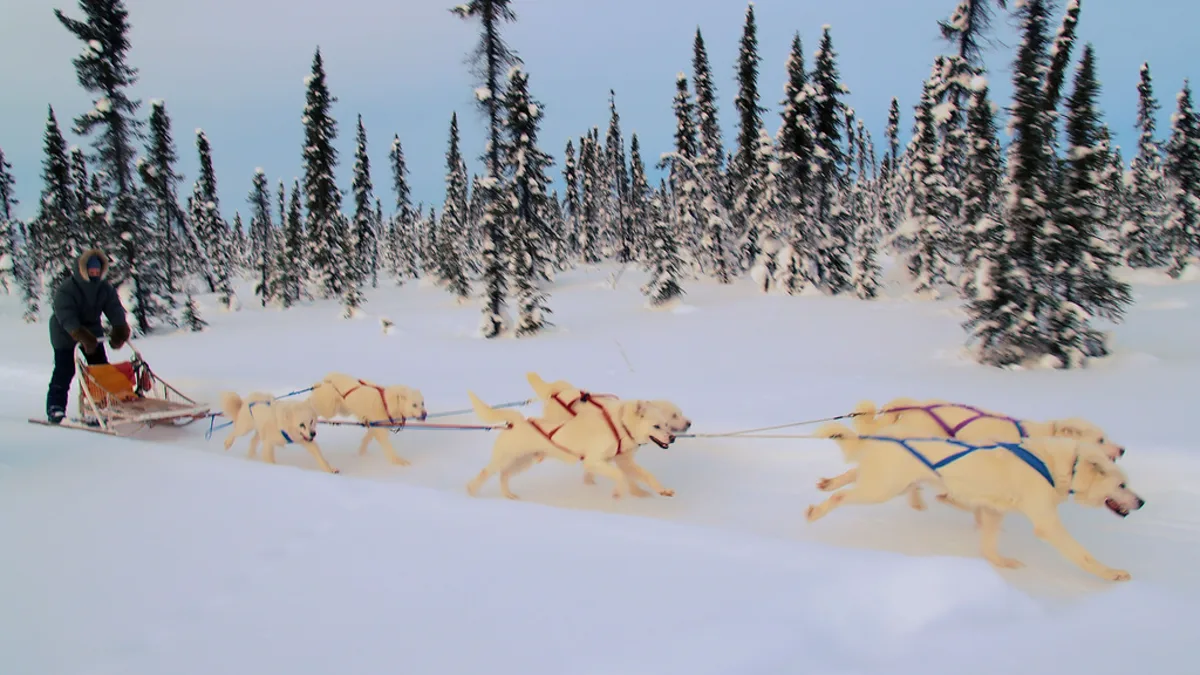
For skiing, choose skate skis or waxless touring skis without metal edges. Metal ski edges present severe laceration risks to canine legs during close passes or sudden stops. Handlers should also review our cold weather temperature chart to monitor thermal limits during freezing outings.
How Do Handlers Teach Essential Directional Voice Commands?
Directional control in skijoring relies entirely on verbal voice cues because the dog runs eight to ten feet ahead of the handler without physical steering reins. Teaching these commands on dry land while walking or jogging is the most effective way to build reliable trail communication.
The fundamental commands derive from traditional mushing terminology. Hike or Let’s Go signals forward movement. Whoa commands an immediate, complete stop. Gee signals a right turn, while Haw signals a left turn. On-By directs the dog to ignore distractions such as other trail users, wildlife, or intersecting paths and maintain forward travel.
Begin teaching directional cues during daily neighborhood leash walks. As you approach a right turn, state Gee clearly, take the turn, and praise the dog enthusiastically. Practice On-By whenever passing stationary objects or greeting other leashed dogs. Build confidence.
Reinforce positive pulling drive. Many well-trained domestic dogs have been taught never to pull on a leash. When introducing the pulling harness, encourage forward tension by having a helper stand ahead with a favorite toy or praise while giving the Hike command.
How Do Canicross and Bikejoring Support Dryland Training?
Maintaining canine conditioning during snow-free months requires dryland cross-training disciplines. Canicross is the sport of cross-country trail running while connected to a pulling dog via a hands-free waist belt and bungee line. It provides excellent cardiovascular workouts and reinforces voice commands on dirt trails.
Bikejoring pairs a mountain bicycle with a pulling canine team using a flexible frame-mounted antenna that prevents the towline from tangling in the front bicycle wheel. Bikejoring allows faster speeds on dirt paths, teaching dogs to maintain pulling focus at high velocity. Handlers must wear helmets, eye protection, and gloves during all bikejoring sessions.
Temperature management during dryland mushing is critical. Working dogs generate immense internal metabolic heat while running. Restrict canicross and bikejoring training to temperatures below sixty degrees Fahrenheit (fifteen degrees Celsius) to prevent heat exhaustion. Handlers can explore our hot and cold weather guidelines for seasonal planning advice.
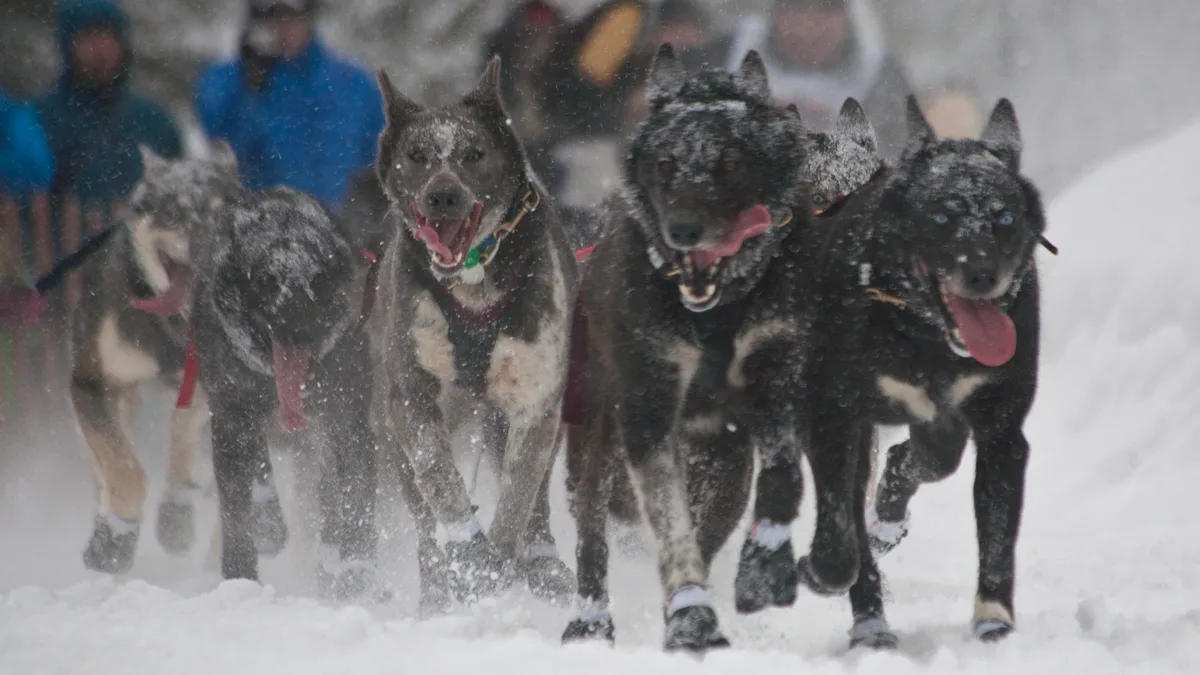
Always train on soft natural dirt paths, grass margins, or unpaved forest roads. Running active pulling dogs on hard asphalt or concrete surfaces causes severe impact stress on canine joints and rapidly abrades paw pads.
Where Is Skijoring Permitted on Public Winter Trails?
Skijoring access varies significantly across public winter recreation lands. Traditional Nordic centers generally prohibit dogs from groomed classic and skate ski trails to maintain pristine track conditions. However, a growing number of winter parks designate specific multi-use loops where skijoring teams are welcomed.
United States Forest Service and state forest recreation areas frequently permit skijoring on unplowed logging roads, snowmobile corridors, and multi-use winter trails, as published on United States Forest Service recreation portals (checked November 2026). Handlers must verify that the trail manager explicitly permits dogs on the snow route.
Always yield right-of-way to classic cross-country skiers and snowshoers. When approaching slower trail users from behind, call out Track or Passing on your left clearly from thirty feet away. Stop and hold your dog close on a short lead if passing young children or horses sharing the winter corridor.
Clean up all canine waste immediately. Carry a small folding trowel or waste bags to remove waste from the packed trail tread into deep roadside brush or pack it out in dedicated smell-proof containers.
Six-Week Skijor Conditioning Progression Checklist
- Week 1: Gear Acclimation: Introduce pulling harness during short walking sessions with positive rewards.
- Week 2: Voice Command Groundwork: Practice Hike, Gee, Haw, and Whoa during dryland jogging walks.
- Week 3: Line Tension Practice: Practice light resistance pulling while jogging behind the dog in open fields.
- Week 4: On-By Distraction Training: Teach the dog to pass other trail users smoothly without breaking stride.
- Week 5: Skis on Flat Packed Snow: Step onto cross-country skis on flat terrain for short one-mile intervals.
- Week 6: Trail Distance Expansion: Gradually extend trail distances to two or three miles while monitoring stamina.
- Daily Paw Inspection: Check pad tissue for abrasions and apply dense protective wax after every run.
Before you load the car
Can any dog breed participate in skijoring?
Any healthy, athletic dog weighing over thirty-five pounds with a natural desire to pull can skijor. While northern breeds excel in sub-zero weather, pointers, retrievers, and mixed sporting breeds are highly capable participants in moderate winter temperatures.
Why are metal-edged skis discouraged for skijoring?
Skis with sharp steel metal edges present serious laceration hazards to canine legs and tendons during sudden stops or close turns. Skijorers should use waxless touring skis or skate skis without metal edges.
How old should a dog be before starting pulling sports?
Dogs must be at least one to two years of age with growth plates fully closed before pulling weight. Early intense pulling on immature skeletons causes permanent joint and cartilage damage.
What is the difference between skijoring and canicross?
Skijoring takes place on snow with the handler on cross-country skis, while canicross is a dryland discipline where the handler runs on foot along dirt trails while attached to the pulling dog.
How do I stop my dog while skijoring on a steep downhill?
Use the verbal command Whoa while performing a wide snowplow maneuver with your skis. If necessary, pull the towline release pin to detach from the dog safely during an uncontrollable fall.
Park and trail rules are checked against official park and land-agency pages, which change often; health advice is left to veterinarians. How We Researched This Guide: We consulted International Sled Dog Racing Association competition rules, United States Forest Service recreation policies, and veterinary athletic conditioning standards.