Trailhead notes Booking dog friendly cabins requires understanding the difference between public forest service rentals and private vacation platforms, clarifying pet fee structures, and securing hearth areas. Handlers should confirm whether unattended dogs may remain in crates, inspect perimeter fencing for gaps, and establish wildlife safety routines.
Escaping to a secluded mountain cabin offers fresh forest air, quiet star-filled evenings, and direct access to wilderness trailheads. Bringing a canine companion along completes the rustic retreat. Successful cabin stays require careful evaluation of pet policies, physical property layouts, and rural wildlife risks. Plan thoughtfully.
Unlike standard hotel rooms with front desk concierges, rental cabins present distinct operational rules and physical environments. Properties range from primitive backcountry United States Forest Service shelters with wood-burning stoves to luxury private chalets on rental marketplaces. Handlers who review property terms in advance prevent unexpected cleaning penalties and ensure a safe, restful wilderness getaway.
- Public vs Private Rules Differ: Public Forest Service cabins allow pets freely or for nominal fees, while private rentals charge specific nightly rates.
- Unattended Crate Rules Apply: Most cabin hosts prohibit leaving dogs loose inside the home when handlers depart for human-only activities.
- Wood Stove Fire Safety Matters: Radiant heat from wood-burning hearths and cast-iron stoves can burn curious canine noses and tails.
- Wildlife Buffers Are Critical: Mountain properties border coyote, bear, and porcupine habitats; never leave dogs tied outside alone.
- Fencing Requires Inspection: Rural split-rail fences rarely contain active dogs; inspect property borders on leash before letting pets roam.
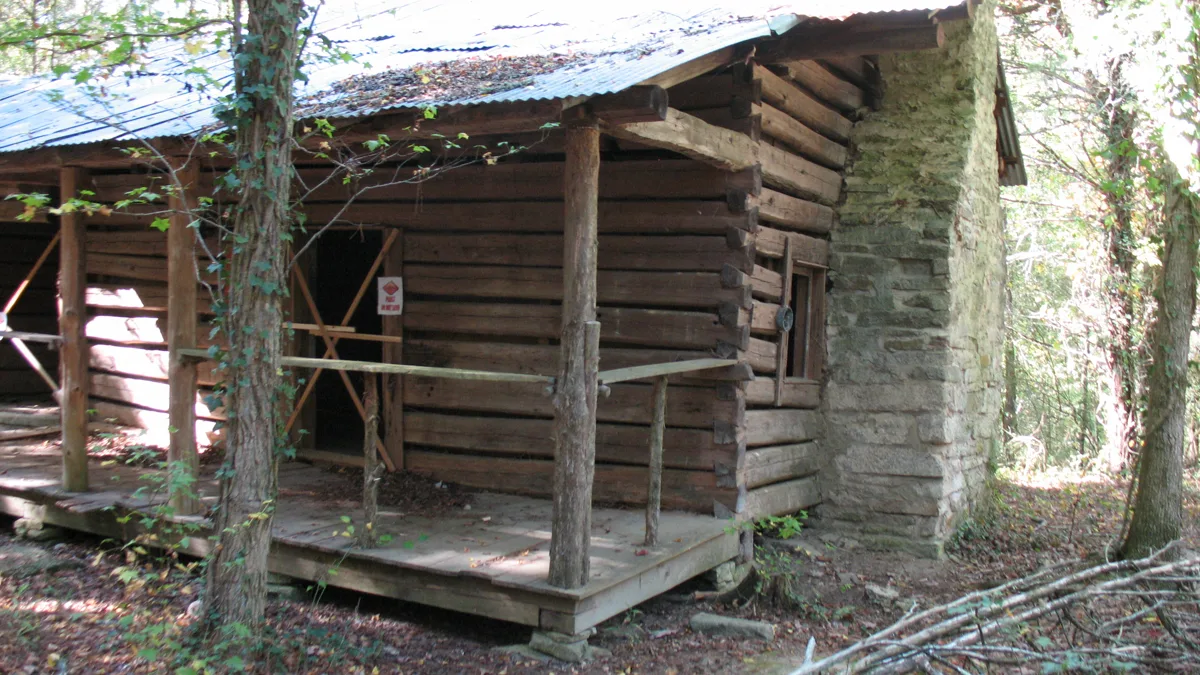
How Do Handlers Read and Verify Cabin Pet Policies?
Evaluating dog friendly cabins requires reading the host’s complete house rules rather than relying on search filter tags alone. Many vacation rental listings display a pet-friendly badge while enforcing restrictive sub-clauses in the property description. These restrictions often include weight caps, breed bans, or limits on the total number of allowed animals.
Pay close attention to fee calculation methods when booking dog friendly vacation rentals. Hosts typically assess pet fees in one of three ways: a flat fee per stay, a recurring nightly surcharge per dog, or a refundable pet security deposit. Clarify whether the fee covers additional sanitizing services or merely grants permission for the animal to enter the premises. Understanding these details prevents billing disputes.
Unattended pet clauses represent another vital policy detail. The vast majority of private hosts require dogs to be securely crated if left alone inside the cabin while guests visit local restaurants or non-dog attractions. Some remote properties prohibit leaving animals unattended under any circumstances. Always message the property manager prior to confirming a non-refundable reservation to clarify specific house rules.
Inquire about furniture and linen guidelines. Many rural hosts request that guests keep pets off sofas, upholstered armchairs, and bedding. Bringing dedicated canine blankets and travel dog beds ensures compliance with property standards and minimizes shedding on host furnishings. Handlers can also review our guide on dog friendly hotels pet policies to compare lodging rules.
| Cabin Category | Typical Pet Access Policy | Standard Fee Structure | Rule Publication Source |
|---|---|---|---|
| U.S. Forest Service Public Cabins | Permitted in most backcountry units; leashed outside, contained inside. | Included in baseline reservation fee on Recreation.gov. | Recreation.gov Public Land Portal (checked November 2026) |
| State Park Rustic Cabins | Permitted in designated pet-friendly units; excluded from general cabins. | Flat per-night pet surcharge ($10-$25 per night). | State Park Administrative Regulations (checked November 2026) |
| Private Vacation Marketplaces | Varies by host; weight, quantity, and crate rules strictly enforced. | Flat stay fee or per-night rate plus cleaning deposit. | Individual Host House Rules (checked November 2026) |
| Commercial Wilderness Resorts | Designated dog-friendly cabins with designated relief areas and trails. | Standard one-time pet sanitation fee ($50-$100 per stay). | Resort Property Pet Charters (checked November 2026) |
Source: Recreation.gov, State Park Administrative Agencies, and Vacation Rental Industry Standards (checked November 2026).
What Are the Differences Between Public and Private Cabin Rentals?
The operational differences between public land cabins and private vacation chalets center on amenities, cost, and maintenance responsibilities. United States Forest Service and Bureau of Land Management cabins offer primitive, self-sufficient accommodations located directly inside remote national forests, as documented on official Recreation.gov recreation portals (checked November 2026).
Public agency cabins typically feature wood-burning heat, hand-pump water wells or nearby streams, and vault toilets. Guests must bring their own sleeping bags, cooking stoves, and cleaning supplies. Because these structures feature simple wooden plank floors and basic furnishings, accidental muddy paw prints are easily swept away. Handlers seeking rustic adventures can explore our camping with dogs wilderness checklist for guidance on primitive site management.
In contrast, private vacation rentals offer modern residential conveniences, including full electric kitchens, forced-air central heating, indoor plumbing, and plush furnishings. However, private rentals carry higher financial accountability. Hosts may charge substantial cleaning fees if pet fur, scratches, or waste odors are detected after checkout. Reviewing the applicable pet fee airbnb policies ensures travelers budget appropriately for their trip.
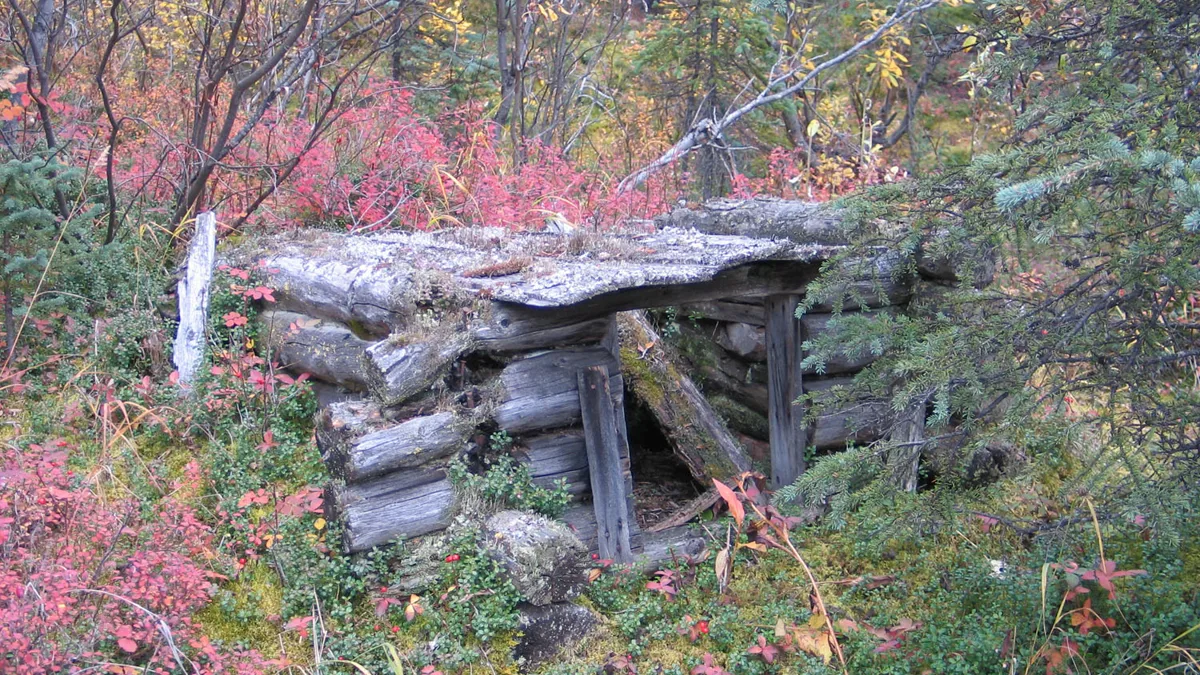
State park cabins represent an attractive middle ground. Systems such as Virginia State Parks and Pennsylvania State Parks offer dedicated pet-friendly rustic cabins equipped with electricity, kitchenettes, and bathrooms at affordable fixed nightly rates. These units book quickly, often requiring reservations six to eleven months in advance.
How Can Handlers Prevent Wood Stove and Fireplace Hazards?
Heating a mountain cabin often relies on cast-iron wood stoves, pellet burners, or stone masonry open fireplaces. While these heat sources create cozy ambiance, they present severe burn risks for companion animals. The metal surfaces of a burning wood stove easily reach temperatures exceeding four hundred degrees Fahrenheit.
Canines unfamiliar with wood stoves may brush against hot metal doors or wag tails near open embers. Embers popping from open fireplaces can land on canine bedding or cause painful corneal eye burns. Handlers must establish a physical safety zone around all active heating appliances.
Bring a freestanding metal folding hearth guard or portable exercise pen to create a protective barrier around the stove. Position canine bedding and food dishes at least six to eight feet away from the hearth. Teach your dog a reliable spatial boundary command such as place or leave it to reinforce distance from active flames.
Never leave a dog unattended in a room with an active wood fire or burning candles. When retiring for the night or stepping outside, ensure the fireplace glass doors are firmly latched and the stove damper is adjusted to a safe overnight burning rate.
Which Outdoor Wildlife Risks Require Vigilance at Rural Cabins?
Rural and mountain cabins sit directly within active wildlife corridors inhabited by black bears, coyotes, raccoons, porcupines, and skunks. Companion animals face immediate physical risks if allowed to roam freely on cabin grounds without direct supervision.
Porcupines represent a widespread nocturnal threat in northern and western woodlands. A dog that pursues a porcupine will receive dozens of barbed quills in the muzzle, tongue, and throat requiring emergency veterinary removal under general anesthesia. Skunk sprays near cabin doors cause severe discomfort and may violate host odor rules.
Never leave pet food dishes, treat bags, or water bowls on cabin porches or decks. Food aromas attract hungry bears and nocturnal scavengers directly to the doorway. Store all dog food inside airtight hard plastic containers kept within the cabin kitchen. Dispose of collected canine waste bags immediately in animal-proof outdoor trash dumpsters.
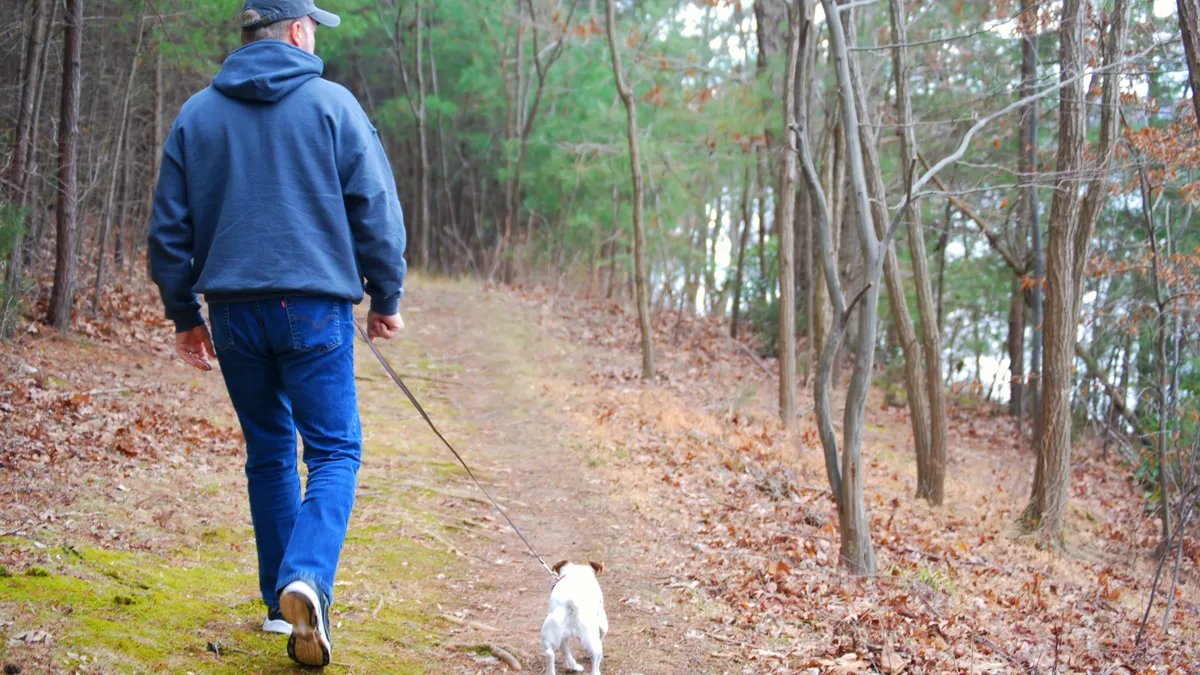
Always walk your dog on a sturdy six-foot leash during evening relief breaks, using a high-powered flashlight to scan the yard perimeter. Do not assume that a rustic wooden fence is escape-proof. Check for loose boards, open gates, or gaps under wire mesh before releasing a dog into any enclosed yard.
What Gear and Cleaning Supplies Are Essential for Cabin Stays?
Packing for a cabin retreat requires bringing specialized containment gear, bedding, and cleanup supplies to protect both the animal and the host property. A collapsible wire crate or durable soft-sided travel kennel is the most essential item on the manifest.
Bring several large microfiber dog towels and a bottle of enzyme-based pet stain remover. If your dog gets muddy on mountain trails, set up an exterior cleaning station on the porch before allowing the animal into the cabin. Thoroughly dry paws and bellies to prevent moisture from warping hardwood floors or staining rugs.
Pack a dedicated canine first aid kit containing blunt-tipped tweezers, saline eye wash, cohesive wrap bandages, and a tick removal tool. Handlers can explore our general dog friendly stays directory for additional property selection tips.
Include familiar toys, chew items, and an unwashed blanket from home. Familiar scents comfort anxious dogs adapting to unusual cabin sounds, creaking floorboards, and howling wind in remote mountain valleys.
Essential Cabin Arrival Safety Checklist
- Perimeter Fence Inspection: Walk the entire fence line on leash to check for gaps, loose gates, or burrowed holes.
- Interior Safety Sweep: Check floors and under beds for rodent bait stations, dropped medications, or exposed wiring.
- Wood Stove Barrier Setup: Erect a physical safety gate around cast-iron stoves and open fireplaces.
- Crate and Bed Placement: Set up canine bedding in a quiet corner away from cold drafts and hot stoves.
- Food Storage Containment: Place all kibble and treats inside sealed containers indoors to deter wildlife.
- Mud Station Preparation: Lay out towels, paw wipes, and spare water near the primary entrance door.
- Emergency Vet Contact Verification: Save local mountain veterinary clinic phone numbers in mobile contacts.
- Host Rule Review: Re-read host instructions regarding off-limit rooms, furniture rules, and checkout procedures.
Before you load the car
Can I leave my dog alone inside a rental cabin?
Only if host house rules explicitly allow it and your dog is securely contained in a familiar travel crate. Leaving an unconfined dog unattended in an unfamiliar rental property frequently results in door scratching, destructive chewing, and costly property damage penalties.
How much are typical pet fees for vacation rental cabins?
Pet fees generally range from fifty to one hundred fifty dollars per stay on private rental platforms, or ten to twenty-five dollars per night at public state park cabins. Always confirm fee structures prior to finalizing reservations.
What should I do if my dog encounters a porcupine near the cabin?
Do not attempt to pull quills out with standard pliers, as broken quill tips cause severe deep abscesses. Restrain the dog calmly, prevent them from rubbing their face, and transport the animal immediately to an emergency veterinarian for removal under sedation.
Are dogs allowed on furniture in pet-friendly cabins?
Most cabin hosts prefer that dogs remain on their own beds on the floor. If your dog is accustomed to furniture, bring clean bed sheets or waterproof furniture covers from home to protect the host sofas and quilts from fur and dander.
How do I find public Forest Service cabins that allow dogs?
Visit Recreation.gov, search for rustic cabin rentals in your target national forest, and review the detailed pet policy listed under the amenities section for each individual cabin unit.
Park and trail rules are checked against official park and land-agency pages, which change often; health advice is left to veterinarians. How We Researched This Guide: We consulted United States Forest Service recreation policies, state park lodging charters, and vacation rental industry standards.