Vineyard advisory summary Visiting dog friendly wineries offers relaxing outdoor travel, provided handlers observe property rules, keep canines on a six-foot leash, and remain strictly on outdoor patios or lawns. Handlers must keep dogs entirely out of active agricultural vine rows, as fresh grapes and raisins cause acute, life-threatening kidney failure in canines.
Exploring wine regions with a canine companion has grown into a popular weekend getaway. Pastoral estate lawns, shaded pergola patios, and panoramic vineyard vistas create welcoming settings for well-mannered pets. However, blending agricultural production facilities, public hospitality venues, and domestic animals requires deliberate safety planning. Vigilance protects pets.
Commercial wineries operate under dual regulatory frameworks: state public health codes that govern beverage hospitality areas and agricultural bio-security mandates that protect crop production. Visiting successfully demands understanding where companion animals are permitted, respecting other guests, and recognizing serious biological hazards such as grape toxicity. Informed preparation ensures enjoyable, incident-free estate visits.
- Outdoor Hospitality Zones Permit Pets: Most dog-friendly estates welcome leashed canines on exterior crush pads, shaded patios, and picnic lawns.
- Indoor Production Rooms Remain Off-Limits: Public health codes prohibit non-service animals from entering indoor tasting rooms, barrel aging cellars, and bottling lines.
- Grapes Are Severely Toxic to Dogs: Fresh wine grapes contain tartaric acid compounds that trigger acute renal failure; dogs must never enter agricultural vine rows.
- Fixed Leashes Are Mandatory: Estates mandate non-retractable physical leads measuring six feet or less to prevent livestock and guest interactions.
- Weather Management Is Essential: Exposed flagstone and gravel patios absorb intense summer heat; pack portable water bowls and cooling mats.
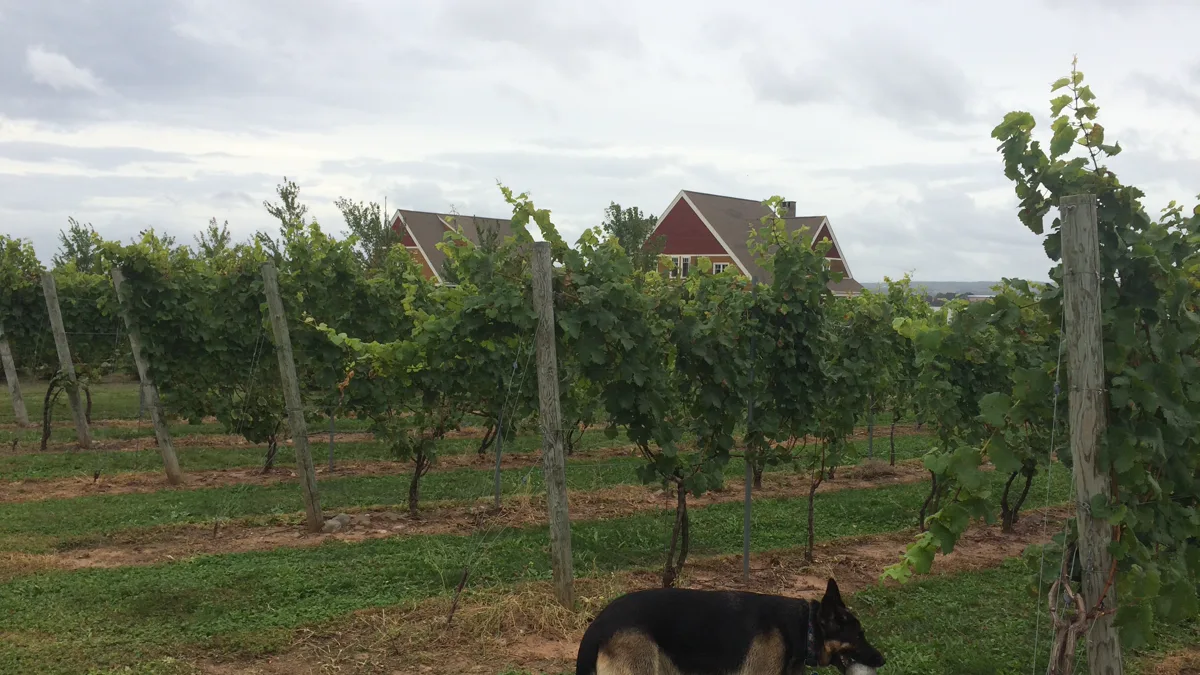
How Do Public Health Codes Regulate Pets at Dog Friendly Wineries?
Agricultural winery estates operate under different statutory health guidelines than standard urban restaurants. According to Section 6-501.115 of the United States Food and Drug Administration (FDA) Food Code (checked November 2026), live companion animals are prohibited from indoor food preparation, commercial glass-washing, and beverage dispensing zones.
However, state and municipal health departments routinely grant administrative variances for outdoor hospitality spaces. When a winery serves wine tastings and pre-packaged charcuterie on an open-air exterior patio or grass lawn with dedicated exterior customer entrances, companion animals are legally permissible. Similar operational frameworks govern pet-friendly craft beverage venues; review our guide to dog friendly restaurants and breweries for regional food code variances.
Estate management reserves the right to set property-specific pet rules. While many wineries embrace canine visitors, others restrict animal access during high-traffic harvest festivals, private wedding bookings, or outdoor amplified concert series to prevent liability and guest disruption. Always verify current pet policies on the winery website before departing home. When planning multi-day wine country travel, explore our directory of dog-friendly stays and accommodations.
Why Are Vineyard Grape Rows Lethal Hazards for Dogs?
The single most dangerous hazard present on any winery estate is the agricultural vineyard itself. Fresh wine grapes (Vitis vinifera), table grapes, and dried raisins contain concentrated toxic compounds that cause sudden, catastrophic canine renal failure.
Toxicology research published by the ASPCA Animal Poison Control Center (checked November 2026) identifies tartaric acid and its potassium bitartrate salts as the primary nephrotoxic agents in grapes. Canine sensitivity to tartaric acid varies unpredictably; even a small quantity of ripe fruit can trigger irreversible acute kidney failure in large, healthy dogs. Handlers must observe strict preventative protocols:
- Maintain Total Vine Row Exclusion: Never allow dogs to walk down active grape trellises or forage under vine canopies where dropped fruit accumulates.
- Keep Continuous Visual Leash Focus: Hold leashes short when walking past vineyard borders to prevent opportunistic scavenging of low-hanging clusters.
- Avoid Compost and Pomace Piles: Winery production areas discard grape pomace (skins, stems, and seeds) after crushing; these industrial organic piles are extremely toxic if consumed.
- Seek Immediate Veterinary Care: If your dog ingests any quantity of grapes, raisins, or fresh grape mash, contact an emergency animal hospital immediately.
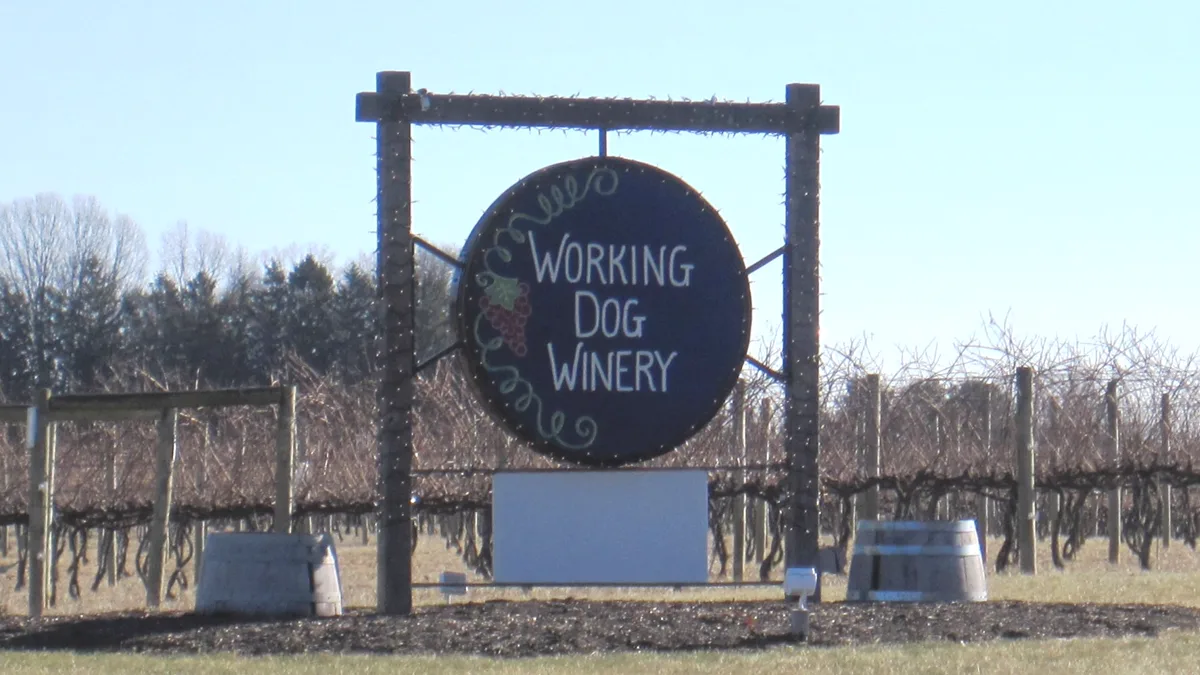
Vineyards also utilize agricultural pest control products, copper fungicide sprays, and sulfur dusts to protect delicate grape crops from powdery mildew. These agricultural chemical residues irritate canine paws and cause gastrointestinal distress if absorbed or groomed from fur. Keeping dogs on manicured lawn areas eliminates agricultural chemical exposure.
Comparison of Canine Access Across Winery Estate Zones
Understanding which sections of a commercial winery estate permit pets helps handlers move confidently across the property while maintaining complete compliance with public health and safety regulations.
| Winery Property Zone | Canine Permission Status | Standard Handler Protocol | Governing Authority / Reason |
|---|---|---|---|
| Outdoor Shaded Patio | Permitted (Leashed pets welcomed) | Fixed 6-foot lead; dog rests under handler table | FDA Food Code Outdoor Variance (checked Nov 2026) |
| Estate Picnic Lawn | Permitted (Open grounds access) | Leash required; clean waste immediately | Estate Property Management Policies |
| Indoor Tasting Room Bar | Prohibited (Service animals only) | Pets must remain outdoors with a companion | State Public Health and Sanitation Codes |
| Barrel Cellar / Fermentation | Strictly Prohibited (Production facility) | Zero companion pet access | Alcohol and Tobacco Tax and Trade Bureau (TTB) |
| Active Agricultural Vine Rows | Strictly Prohibited (Grape toxicity) | Maintain minimum 20-foot perimeter buffer | Veterinary Toxicology and Crop Protection |
Source: United States Food and Drug Administration (FDA) Food Code Guidelines and Wine Institute Hospitality Standards (checked November 2026).
What Behavioral Protocols Ensure Seamless Winery Patio Visits?
Winery tasting patios are relaxed environments designed for sensory appreciation. Maintaining high canine behavioral standards ensures that wineries continue welcoming four-legged guests in future seasons.
Ensure your dog is thoroughly exercised before arriving at the estate. A brisk thirty-minute walk releases excess energy, allowing the animal to settle calmly beneath your outdoor table. Keep your pet on a standard six-foot non-retractable leash secured to your chair or held in your hand. Never tie a dog to lightweight umbrellas, decorative planters, or communal wine barrels that can tip over if the animal shifts position suddenly.
Thermal management is another vital consideration on exposed wine country patios. Flagstone courtyards, gravel terraces, and dark wooden decks absorb significant solar heat in regions like Napa Valley, Paso Robles, or Virginia’s Piedmont. If visiting during summer, review our essential recommendations on hot weather dog safety. Bring a portable cooling mat to shield your dog’s abdomen from hot paving stones, and keep a travel bowl filled with fresh water at all times.

Practice quiet space etiquette. If another visiting dog arrives on the patio, maintain adequate physical separation to prevent defensive barking or territorial posturing. If your dog exhibits persistent vocalization or signs of overstimulation from venue crowds, politely settle your bill and transition to a quiet perimeter walking path. For long travel routes connecting multiple tasting regions, review our comprehensive guidelines on organizing a road trip with dog essentials.
Six-Point Vineyard and Tasting Room Checklist
- Estate Pet Policy Confirmation: Check the winery website or call ahead to verify outdoor pet permissions and reservation requirements.
- Fixed Six-Foot Leash Selection: Pack a sturdy non-retractable leather or nylon leash matching estate hospitality rules.
- Vine Row Buffer Enforcement: Maintain a strict physical boundary preventing canine entry into agricultural grape trellises.
- Portable Hydration Setup: Carry a dedicated water bottle and collapsible silicone bowl for table-side hydration.
- Padded Travel Mat: Bring a lightweight insulated mat to provide comfortable, cool bedding on hot patio flagstones or gravel.
- Waste Bag Disposal Kit: Pack durable waste bags and dispose of all refuse in exterior trash receptacles before leaving.
Before you visit the vineyard
Can dogs walk through the grape vines at a winery?
No. Dogs must never enter active vineyard vine rows. Fresh wine grapes contain tartaric acid compounds that cause acute, life-threatening kidney failure in canines if consumed from vines or ground drop.
Are dogs allowed inside indoor winery tasting rooms?
State and federal public health regulations prohibit companion animals from entering indoor food and beverage dispensing areas. However, leashed dogs are widely permitted on exterior tasting patios, covered verandas, and estate lawns.
What should I do if my dog eats a grape at a winery?
Seek immediate emergency veterinary care without delay. Grape toxicity can cause sudden kidney damage in canines, and rapid clinical decontamination by a licensed veterinarian is essential for patient recovery.
Do wineries require reservations for guests visiting with dogs?
Many popular estate wineries require advance table reservations for patio seating, especially on weekends and during the autumn harvest season. Inform the winery that a dog will accompany your party when booking.
How do I keep my dog comfortable on hot patio surfaces?
Flagstone and gravel patios absorb immense solar heat during summer. Bring an insulated portable dog mat to place beneath your table, request a shaded seating location, and provide continuous fresh drinking water.
Public health codes and winery hospitality rules are verified against official food safety regulations and regional vintner association directives, which change periodically; toxicological assessments and emergency poison protocols are provided by licensed veterinary emergency centers. How We Researched This Guide: We reviewed United States Food and Drug Administration Food Code variances, ASPCA Animal Poison Control Center toxicological data, and regional wine industry hospitality guidelines.