Park policy summary Exploring dog friendly state parks offers far greater trail freedom than federal national parks, with over eighty percent of state park systems permitting canines on backcountry routes. Handlers must maintain a physical non-retractable six-foot leash, pay nominal campsite pet fees, and avoid restricted swimming beaches and historic buildings.
Outdoor enthusiasts traveling with canine companions frequently face unexpected land-use restrictions. While federal national parks severely restrict domestic pets to paved parking areas and road corridors, state park systems across North America provide extensive trail networks welcoming leashed dogs. Understanding jurisdictional rules preserves access. Diligent preparation prevents costly fines.
State park policies vary widely between regional natural resource departments. A rule that applies in Pennsylvania may differ completely from regulations in California or Texas. Handlers who review leash statutes, check campground reservation surcharges, and understand sensitive wildlife zone exemptions ensure seamless outdoor excursions. Plan each journey with verified agency data.
- State Parks Beat National Parks for Trails: Most state parks welcome leashed dogs across general hiking trail networks, unlike national park backcountries.
- Six-Foot Leash Rules Are Universal: Standard non-retractable physical leads measuring six feet or less are strictly mandated across state park systems.
- Universal Exclusion Zones Apply: Dogs remain excluded from designated swimming beaches, public bathhouses, and historic park interiors.
- Campground Pet Fees Vary by State: Nightly pet surcharges range from zero dollars in Texas to five dollars per night in northeastern state campgrounds.
- National Forests Provide Open Alternatives: Adjoining United States Forest Service lands offer broader off-leash and dispersed camping flexibility.
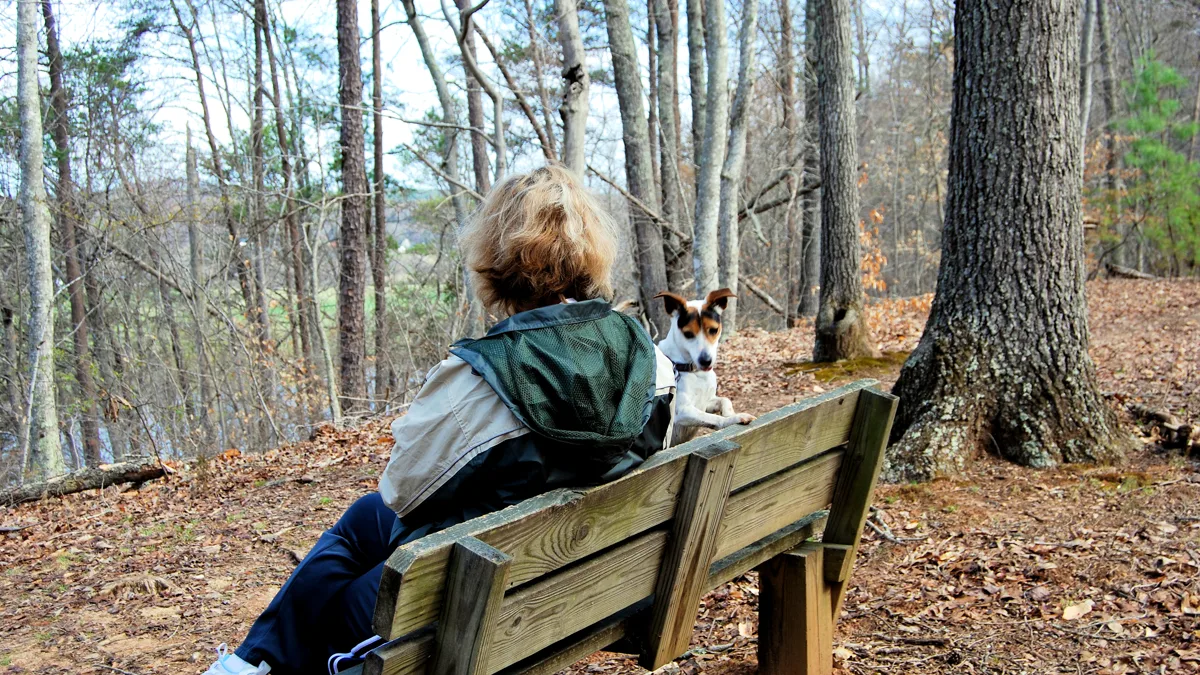
How Do State Park Regulations Differ from National Park Policies?
The distinction between state-managed parks and federally managed national parks is fundamental for dog owners. Federal national parks operate under strict conservation mandates designed to protect pristine ecosystems and wildlife habitats from domestic animal scent and disruption. Consequently, the National Park Service restricts domestic canines to developed campgrounds, paved overlooks, and public roadways. Review our comparative analysis on dog friendly national parks regulations for federal site rules.
In contrast, state park systems are chartered to support multi-use public recreation alongside resource conservation. State natural resource departments designate hundreds of thousands of trail miles where leashed dogs are encouraged. While state park trails are broadly accessible, specific exclusion zones remain universal:
- Public Bathing Beaches: Sandy swim zones designated for human bathers ban pets to maintain water sanitation and prevent bather conflicts.
- Fragile Botanical Preserves: Dedicated scientific nature reserves within larger state parks exclude pets to protect rare ground flora and nesting birds.
- Historic Buildings and Visitor Centers: Enclosed administrative structures, interpretive museums, and historic lodge interiors permit certified service animals only.
- Cross-Country Ski Tracks: Groomed winter snow corridors frequently exclude canines to preserve classic ski tracks during winter months.
Handlers must also review fundamental trails and parks guidelines to verify whether local municipal leash ordinances intersect with state park boundary trails.
What Are the Specific Pet Rules in Dog Friendly State Parks Across Eight States?
State natural resource agencies publish explicit pet regulations governing trail access, maximum leash length, rabies vaccination documentation, and overnight camping surcharges. The table below outlines statutory policies across eight major state park systems, verified against state park administrative codes (checked November 2026).
| State Park System | Trail Access Policy | Maximum Leash Length | Campground Pet Fee | Authoritative State Source |
|---|---|---|---|---|
| California State Parks | Restricted: Paved roads, fire roads, and designated trails only; excluded from dirt singletrack in most parks | 6 feet (Physical lead) | No additional fee at general campsites | California Department of Parks and Recreation (checked Nov 2026) |
| New York State Parks | Broad: Allowed on most trails and day-use areas; proof of current rabies vaccination certificate required upon entry | 6 feet (Non-retractable) | Included in campsite rate; designated pet loops | New York State Office of Parks, Recreation and Historic Preservation |
| Texas State Parks | Extensive: Permitted on almost all hiking trails; excluded from public swim areas and park buildings | 6 feet (Mandatory) | No nightly pet fee; standard entry fees apply | Texas Parks and Wildlife Department (TPWD) |
| Pennsylvania State Parks | Broad: Permitted on all hiking trails and multi-use greenways; designated pet-friendly camping loops | 6 feet (Physical leash) | $2.00 to $5.00 per night at select campgrounds | Pennsylvania Department of Conservation and Natural Resources (DCNR) |
| Florida State Parks | Moderate: Allowed on nature trails and day-use areas; strictly excluded from sandy coastal beaches and cabins | 6 feet (Hand-held lead) | Included in standard campsite fee | Florida Department of Environmental Protection (FDEP) |
| Oregon State Parks | Extensive: Welcomed on almost all trails, ocean shores, and campgrounds; select designated off-leash zones | 6 feet (Standard) | $10.00 pet fee per stay in designated pet cabins | Oregon Parks and Recreation Department (OPRD) |
| Minnesota State Parks | Broad: Allowed on all park trails; excluded from public swim beaches, camper cabins, and park buildings | 6 feet (Strictly enforced) | No extra campsite fee; vehicle park permit required | Minnesota Department of Natural Resources (MNDNR) |
| Colorado State Parks | Extensive: Permitted on most multi-use trails and campgrounds; excluded from select fragile wildlife refuges (e.g., Barr Lake) | 6 feet (Required) | Included in standard camping permit | Colorado Parks and Wildlife (CPW) |
Source: Official State Administrative Codes and Natural Resource Department Pet Regulations (checked November 2026).
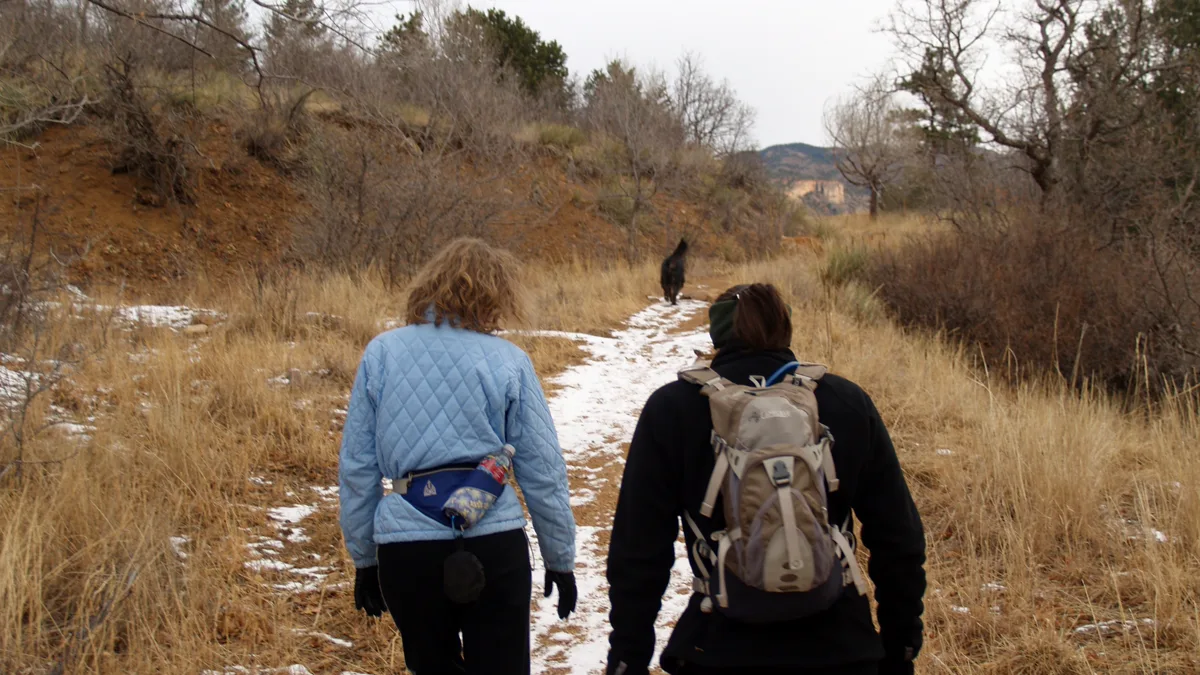
Why Do National Forest Lands Offer Greater Recreational Flexibility?
When state park trails feel overly crowded or possess restrictive leash mandates, adjoining United States Forest Service (USFS) national forests and Bureau of Land Management (BLM) recreation areas present ideal alternatives. Federal forest lands are managed under multi-use sustained-yield mandates, offering significantly more open access for athletic canines.
According to United States Forest Service recreation directives (checked November 2026), dogs are permitted on virtually all backcountry trails. Outside of developed campgrounds, picnic grounds, and crowded trailheads where a six-foot physical leash is mandated, dogs on national forest trails may operate under reliable voice control unless local district ranger orders specify otherwise. Handlers exploring technical backcountry trails should review our foundational advice on hiking with dogs safely.
In addition, national forests permit free dispersed camping along thousands of miles of forest service gravel roads, completely eliminating the reservation fees and pet surcharges typical of state park developed campgrounds. However, handlers must assume full responsibility for canine safety around wild predators, hunting seasons, and unmapped terrain.
Which Campground Rules Apply to Traveling with Dogs in State Parks?
Overnight camping with canines in state park campgrounds requires adherence to strict communal living standards. Park rangers enforce quiet hours and confinement rules to ensure all campers enjoy a peaceful outdoor experience.
Never leave a dog unattended at a campsite or tethered to a picnic table while you leave the park. Unattended animals experience high stress in unfamiliar outdoor settings, leading to persistent barking or escape attempts. If you must leave the campsite briefly, secure the animal inside a ventilated vehicle crate or tent only if ambient temperatures remain safe and cool.
Confinement and waste management are strictly monitored. Handlers must tether dogs to a secure ground anchor using a coated cable run that prevents the animal from crossing into adjacent campsites or approaching access roads. Collect and dispose of all canine waste immediately in designated campground dumpsters. Leaving waste bags along trail borders is a severe violation of Leave No Trace principles.
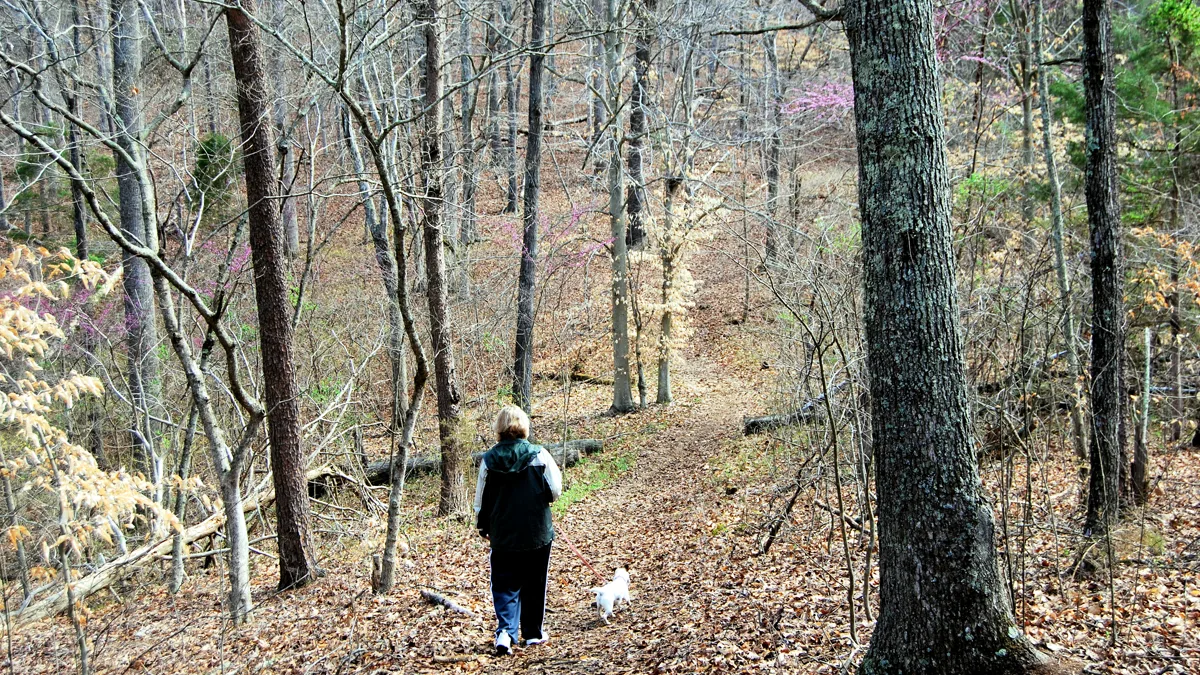
Always carry physical copies of current veterinary health records. Multiple state park systems, including New York and Pennsylvania, empower park staff to request proof of current rabies vaccination upon campground check-in. Failing to present valid veterinary paperwork can result in denial of entry or immediate eviction without refund.
Six-Point State Park Preparedness Checklist
- Rabies Paperwork Verification: Carry a physical copy or clear digital scan of the dog’s official rabies vaccination certificate.
- Fixed Six-Foot Lead Selection: Pack a sturdy, non-retractable nylon or leather six-foot leash matching park code requirements.
- Campsite Anchor Hardware: Bring a heavy-duty ground spiral stake and coated tie-out cable for secure campsite confinement.
- Hydration and Portable Bowl: Carry at least two liters of fresh potable water and a collapsible silicone feeding bowl per trail outing.
- Waste Bag Supply: Pack plenty of durable waste bags and an airtight container for packing out refuse from primitive trail loops.
- Paw Protection and First Aid: Include self-adherent bandage wrap, tick removal tweezers, and soothing pad balm in your field kit.
Before you enter the park
Why are retractable leashes discouraged in state parks?
Retractable thin cord leashes allow dogs to bolt into trail blind spots, tangle around other hikers or cyclists, and snap under sudden lunges. State park codes specify fixed physical leads of six feet or less to maintain positive physical control.
Are dogs allowed inside state park cabins or yurts?
Most state park rustic cabins and yurts prohibit pets to accommodate guests with severe allergies. However, an increasing number of states designate specific pet-friendly cabins that can be reserved in advance for an additional cleaning surcharge.
What happens if my dog barks persistently at a state park campsite?
State park rules enforce strict quiet hours between 10:00 PM and 7:00 AM. Persistent barking during day or night hours that disturbs other campers can result in citations or immediate eviction by park rangers.
Do state parks charge daily entrance fees for dogs?
Most state parks charge vehicle entrance fees or human day-use permits but do not charge daily fees for dogs on hiking trails. Overnight campgrounds may assess a modest nightly pet fee of two to five dollars depending on the state.
Can dogs swim in lakes located inside state parks?
Dogs are strictly prohibited from designated human swimming beaches and lifeguarded sandy shores. However, leashed canines are generally permitted to enter the water along primitive hiking trail shorelines or unpaved boat launches.
State park administrative codes are checked against official state department of natural resources websites and legislative publications, which change often; medical and vaccination requirements are verified with licensed veterinarians. How We Researched This Guide: We reviewed statutory pet regulations across state natural resource departments, examined United States Forest Service multi-use trail directives, and analyzed Leave No Trace backcountry canine guidelines.