Road safety summary Transporting an unrestrained dog in truck bed spaces is explicitly illegal across multiple states and carries severe physical trauma hazards nationwide. Safe transportation requires either placing the animal inside the passenger cab with a certified crash harness or securely anchoring a heavy-duty, crash-tested rotomolded crate to structural bed tie-down points.
Hauling gear and companions in a pickup truck represents a central element of outdoor recreation. However, allowing a canine passenger to balance unsecured in an open cargo bed introduces profound mechanical and environmental dangers. Speed magnifies risk. Even at moderate neighborhood velocities, an unexpected swerve or sudden braking event generates forces that easily overwhelm an animal’s physical grip.
Veterinary trauma registries consistently show that unrestrained vehicular travel produces catastrophic injuries. State legislatures have responded by passing strict motor vehicle codes that penalize unsecured animal transport. Responsible drivers must examine the physics of vehicular collisions, understand state statutory requirements, and invest in certified containment hardware to ensure their pets arrive safely at every destination.
- Ejection Risks Are Extreme: Unrestrained animals become high-velocity projectiles during sudden stops, resulting in fatal falls or secondary vehicular impacts.
- Airborne Debris Causes Eye Loss: Road gravel, insect swarms, and tire rubber kicked up at highway speeds inflict severe ocular punctures and corneal abrasions.
- Bed Surfaces Cause Severe Burns: Solar radiation heats bare aluminum and dark composite bed liners past 140 degrees Fahrenheit (60 degrees Celsius) in minutes.
- State Laws Mandate Restraints: Over a dozen states enforce explicit statutes requiring enclosed cabs, anchored crates, or cross-tether harnesses.
- Crash-Rated Crates Provide True Defense: Standard wire crates collapse upon impact; only heavy-duty rotomolded kennels secured with ratchet straps offer verified rollover protection.

What Are the Primary Hazards of an Unrestrained Dog in Truck Bed?
The mechanical forces acting on a dog in truck bed environments during regular driving are substantially greater than most drivers realize. According to clinical consensus statements published by the American Veterinary Medical Association (AVMA) and American Humane (checked November 2026), open truck beds present four distinct categories of physical trauma that threaten canine welfare.
Centrifugal and kinetic forces during emergency maneuvers are the most common source of fatal trauma. When a truck traveling at 45 miles per hour swerves to avoid an obstacle, an unrestrained fifty-pound dog experiences lateral acceleration forces that throw the animal against the metal side panels or entirely over the tailgate. Ejection onto paved roadways frequently results in fatal secondary impacts from trailing motorists, pelvic fractures, and severe degloving soft-tissue wounds.
Atmospheric and particulate exposure at highway speeds creates acute medical conditions. A dog facing into the wind stream encounters dust, airborne sand, and gravel propelled at velocities exceeding sixty miles per hour. Veterinary ophthalmologists regularly treat severe corneal ulcers, foreign object perforations, and traumatic conjunctivitis resulting from open-bed rides. In addition, the continuous blast of turbulent air forces dirt deep into canine nasal passages and bronchial airways, triggering acute respiratory distress.
Thermal contact injuries represent another overlooked hazard. Bare steel beds, aluminum diamond plates, and dark polyurethane spray-in liners absorb solar energy rapidly. On an eighty-five-degree summer afternoon, bed floor surface temperatures regularly exceed 140 degrees Fahrenheit (60 degrees Celsius). Standing on these surfaces causes blistering second-degree burns across all four paw pads within seconds. Review our detailed reference on hot weather dog safety thresholds for deeper temperature data.
Tethering errors introduce lethal strangulation hazards. Many well-intentioned owners clip a standard walking leash or single rope to a center cab hook. If the animal slips over the bed rail or is tossed outward during a turn, the line acts as a hanging noose, causing instant cervical spine dislocation or asphyxiation before the vehicle operator can safely pull onto the road shoulder.
| Hazard Classification | Physical Mechanism | Typical Medical Consequence | Preventative Standard |
|---|---|---|---|
| Rotational Ejection | Centrifugal force during sudden turns or collisions | Pelvic fractures, traumatic brain injury, death | In-cab seat belt harness or crash-tested kennel |
| Ballistic Debris Impact | High-speed particulate strike (sand, gravel, insects) | Corneal perforation, chronic keratitis, blindness | Enclosed passenger cabin or solid kennel walls |
| Thermal Conduction | Direct contact with sun-heated metal or bed liner | Second-degree paw pad burns, heat prostration | Insulated floor matting or climate-controlled cab |
| Tether Strangulation | Suspension outside bed walls via single collar leash | Cervical fracture, tracheal collapse, suffocation | Dual cross-tether harness rig or rigid crate |
Source: American Veterinary Medical Association (AVMA) Veterinary Emergency and Critical Care Guidelines (checked November 2026).
Which State Laws Regulate Carrying a Dog in Truck Bed Areas?
State statutory frameworks governing animal transport in vehicle cargo areas vary from explicit bans to indirect enforcement under broader public safety and cruelty codes. Motorists traveling across state lines must remain aware of local regulations, as lack of knowledge does not excuse non-compliance.
The Animal Legal and Historical Center maintains exhaustive records of state animal vehicle statutes (checked November 2026). California Vehicle Code Section 23117 explicitly forbids transporting any animal in the back of an open pickup truck on highways unless the animal is enclosed within a secure crate, restrained by a cross-tether harness preventing ejection, or shielded within an enclosed vehicle body. Violations carry moving-violation fines and mandatory court assessments.
Connecticut General Statutes Section 22-351a similarly mandates that any dog transported in the open bed of a pickup or flatbed truck must be contained in a crate or secured by a harness that restricts movement to the interior bed area. Massachusetts General Laws Chapter 90 Section 22H imposes strict liability on vehicle operators who transport unrestrained animals on public ways, providing limited exemptions only for active agricultural farm operations on private parcels.
New Hampshire Revised Statutes Section 264:42, Rhode Island General Laws Section 31-22-28, and Oregon Revised Statutes Section 811.200 establish comparable restraint standards. In states without dedicated pet transport statutes, such as Texas and Florida, highway patrol officers regularly utilize unsecured cargo statutes or animal cruelty codes to issue citations if an animal appears distressed or at risk of falling. When organizing interstate travel, consult our resource on road trip with dog preparation in the road trips section.
How Do Restraint Methods Compare for Truck Bed Canine Travel?
Selecting appropriate containment hardware requires evaluating crash performance, structural integrity, and ease of installation. Not all containment products deliver equal protection during an emergency maneuver.
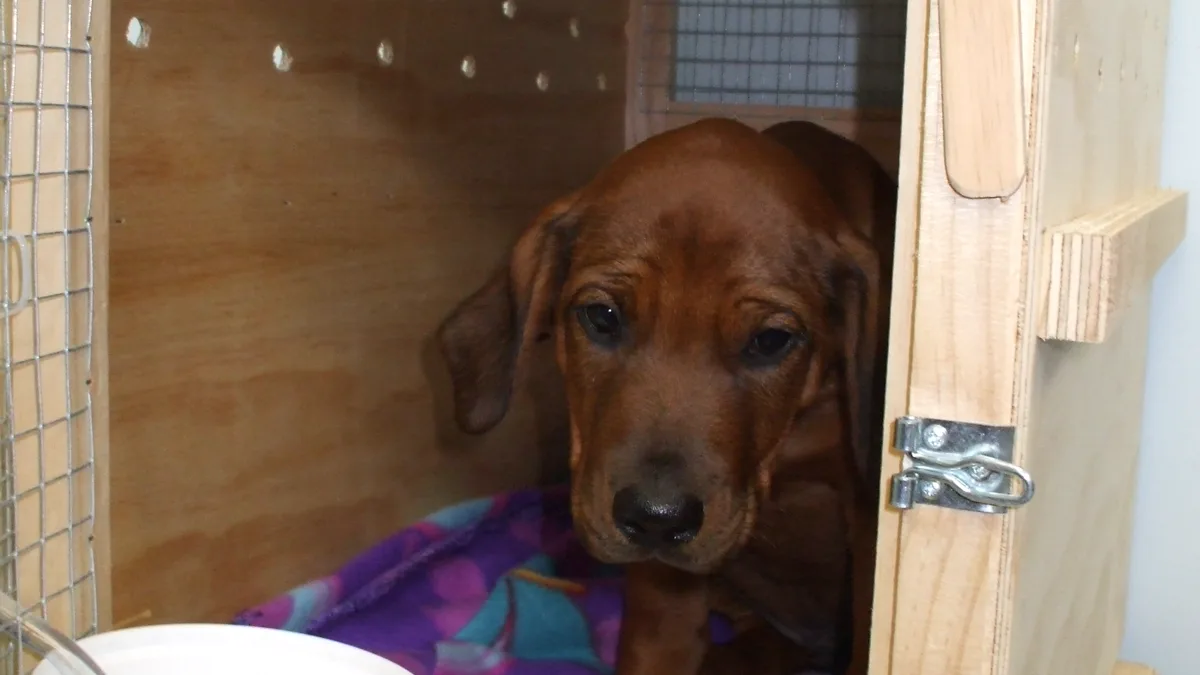
Double-walled rotomolded kennels engineered from high-density polyethylene provide the highest level of physical protection available for truck beds. Certified by independent organizations such as the Center for Pet Safety, these heavy-duty kennels resist crushing under severe rollover forces. They must be secured directly to the vehicle’s structural tie-down anchors using heavy-duty ratchet straps rated for dynamic cargo loads of at least five hundred pounds.
Cross-tether harness assemblies consist of two short, heavy-duty straps anchored to opposite bed rails that meet at a central climbing-grade harness. While this configuration prevents the animal from jumping over the tailgate or side walls, it offers zero shielding from flying gravel, severe weather, or internal impacts against bed walls during hard braking. It is an emergency compromise rather than an optimal travel solution.
Standard collapsible wire crates and thin plastic airline crates are dangerous when placed in truck beds. In a collision, spot-welded wire joints shear instantly, collapsing the frame and creating sharp puncture hazards that can impale the animal. Plastic shell carriers become brittle under ultraviolet radiation exposure and shatter upon impact.
| Restraint Hardware Type | Crash Protection Rating | Weather & Debris Barrier | Recommended Application |
|---|---|---|---|
| Double-Walled Rotomolded Crate | High (Rollover tested) | Complete solid-wall deflection | Bed mounting with 500+ lb ratchet straps to chassis points |
| Dual-Anchor Cross-Tether Harness | Low (Ejection stop only) | Zero (Fully exposed) | Low-speed rural travel where cab space is unavailable |
| Welded Heavy-Gauge Aluminum Box | High (Impact resistant) | Full side and top shielding | Hunting dog transport; bolted directly to bed rails |
| Standard Wire Folding Crate | Zero (Structural collapse) | None | Prohibited in moving vehicles; indoor crate training only |
| Single Center Collar Leash | Negative (Strangulation hazard) | None | Extremely dangerous; never use in vehicle beds |
Source: Center for Pet Safety (CPS) Restraint Crash-Test Protocol Standards (checked November 2026).
What Safety Protocols Protect Dogs During Truck Transport?
Adhering to structured vehicle containment protocols ensures animal comfort, legal compliance, and total peace of mind during long highway journeys. Plan ahead.
Prioritize passenger cab seating above all alternatives. Modern extended cab and crew cab pickup trucks offer spacious rear seating areas. Folding up the rear bench seats creates a flat floor where a padded bed and crash-tested seat belt harness can be installed. This placement completely eliminates exposure to highway debris, wind chill, and bed floor heat while allowing the vehicle climate control system to maintain stable temperatures.
When bed mounting is unavoidable, position the heavy-duty kennel against the front cab bulkhead. Placing the carrier against the cab wall reduces forward momentum during sudden braking events. Utilize heavy-duty cam-buckle or ratchet tie-downs attached to factory D-rings located at the base of the bed floor. Never attach containment straps to plastic bed rail caps, which can tear loose under dynamic shock loads.
Install a commercial fiberglass canopy or utility cap if you frequently haul sporting dogs. An enclosed topper blocks direct sunlight, prevents rain infiltration, and halts flying highway gravel. Ensure the canopy features sliding screened windows that provide continuous fresh airflow without opening wide enough for a dog to extend its head.
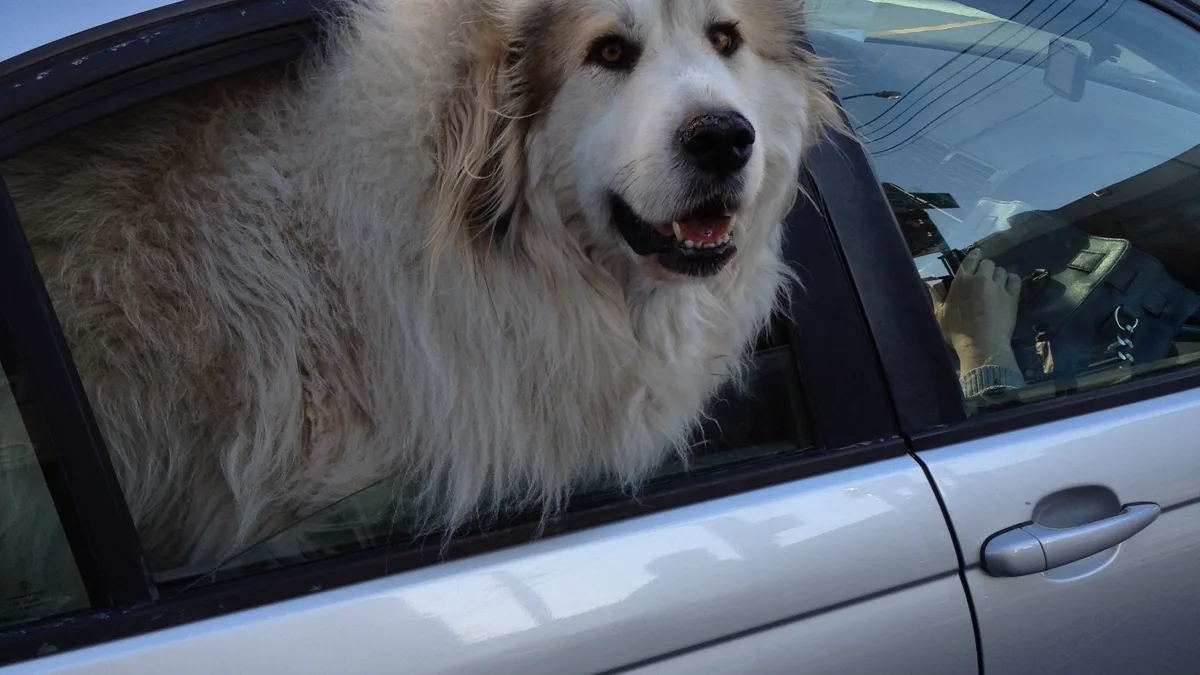
Conduct regular thermal pad inspections. Always verify cargo surface temperatures with the palm of your hand before loading animals. If the floor is uncomfortably hot to human skin after seven seconds, it will burn canine paw pads. Place thick rubber stall mats and insulated bedding inside the kennel to create a thermal buffer.
Six-Point Vehicle Safety and Restraint Checklist
- Cab Priority Assessment: Confirm whether interior rear cab floor space can accommodate the canine passenger before considering bed placement.
- Crate Certification Verification: Utilize only five-star crash-tested rotomolded or welded aluminum kennels certified for dynamic vehicle loads.
- Chassis Anchor Connection: Secure all four crate corners using ratchet straps rated for at least five hundred pounds attached directly to frame D-rings.
- Thermal Surface Verification: Test bed floor and crate base temperatures by hand to ensure surfaces remain below one hundred degrees Fahrenheit.
- Ventilation and Weather Shielding: Ensure truck caps provide cross-ventilation while fully blocking direct rain, wind blast, and flying road debris.
- Rest Break Hydration Plan: Schedule stops every two hours to offer cool water, verify tie-down strap tension, and provide leashed exercise on natural grass.
Before you load the truck
Is it illegal to have an unrestrained dog in a truck bed?
Yes. Over a dozen states, including California, Connecticut, Massachusetts, New Hampshire, Oregon, and Rhode Island, explicitly prohibit open-bed animal transport without certified crates or cross-tether harnesses. In remaining states, drivers face citations under broad animal cruelty or unsecured load statutes.
Can a dog ride safely in a truck bed with a short leash attached?
No. Securing a dog with a single leash or collar to a bed hook creates a severe hanging hazard. If the animal jumps or is thrown over the bed wall during a turn, catastrophic strangulation or dragging occurs before the vehicle can be stopped.
What is the safest way to transport a dog in a pickup truck?
The safest method is inside the passenger cab using a crash-tested harness linked directly to the vehicle seat belt system. The second safest option is a certified heavy-duty rotomolded crate ratchet-strapped to structural bed tie-down points.
How hot do pickup truck bed liners get during summer driving?
Dark spray-in composite liners and aluminum cargo beds regularly exceed 140 to 160 degrees Fahrenheit in direct sunlight. These surface temperatures cause severe second-degree paw pad burns within seconds of physical contact.
Do truck toppers provide enough protection for traveling dogs?
A truck cap shields animals from highway debris, wind chill, and solar radiation. However, animals must still be housed inside anchored crates under the cap to prevent traumatic impact against interior vehicle walls during an emergency collision.
State transportation codes are checked against official legislative databases and agency publications, which change often; medical and injury advice is left to veterinarians. How We Researched This Guide: We analyzed statutory databases from the Michigan State Animal Legal and Historical Center, transportation safety guidelines from the American Veterinary Medical Association, and crash-testing protocols from the Center for Pet Safety.