Trailhead notes Hiking with dogs requires verifying land agency leash regulations, packing one-half to one ounce of water per pound of body weight per hour, and conditioning foot pads gradually. National forests and Bureau of Land Management parcels permit dogs on most trails on physical six-foot leads, whereas national parks restrict pets primarily to paved roads and developed campgrounds.
Taking a dog onto the trail transforms a basic walk into a shared backcountry pursuit. Preparation dictates success. A fine outing depends entirely on understanding jurisdictional trail access rules, carrying reliable physical gear, and recognizing the early physical warnings of canine fatigue.
Before packing your vehicle, evaluate trail difficulty, terrain roughness, weather forecasts, and local regulations. Different public land management agencies enforce distinct pet policies designed to protect wildlife habitats, prevent trail degradation, and ensure visitor safety. Proper planning ensures handlers stay compliant with conservation laws while keeping their animals sound and secure.
- Jurisdiction Dictates Access: National forests allow dogs on most backcountry trails, while national parks restrict pets to developed zones.
- Physical Leashes Are Mandatory: Most public recreation parcels enforce a maximum six-foot non-retractable leash standard.
- Water Must Be Carried: Handlers must carry clean potable water to prevent ingestion of toxic blue-green algae and parasites.
- Waste Must Be Packed Out: Leave No Trace ethics require carrying canine waste off the trail rather than leaving bags along the path.
- Turn-Around Rules Apply: Excessive panting, lagging behind, or limping requires an immediate halt and a return to the trailhead.
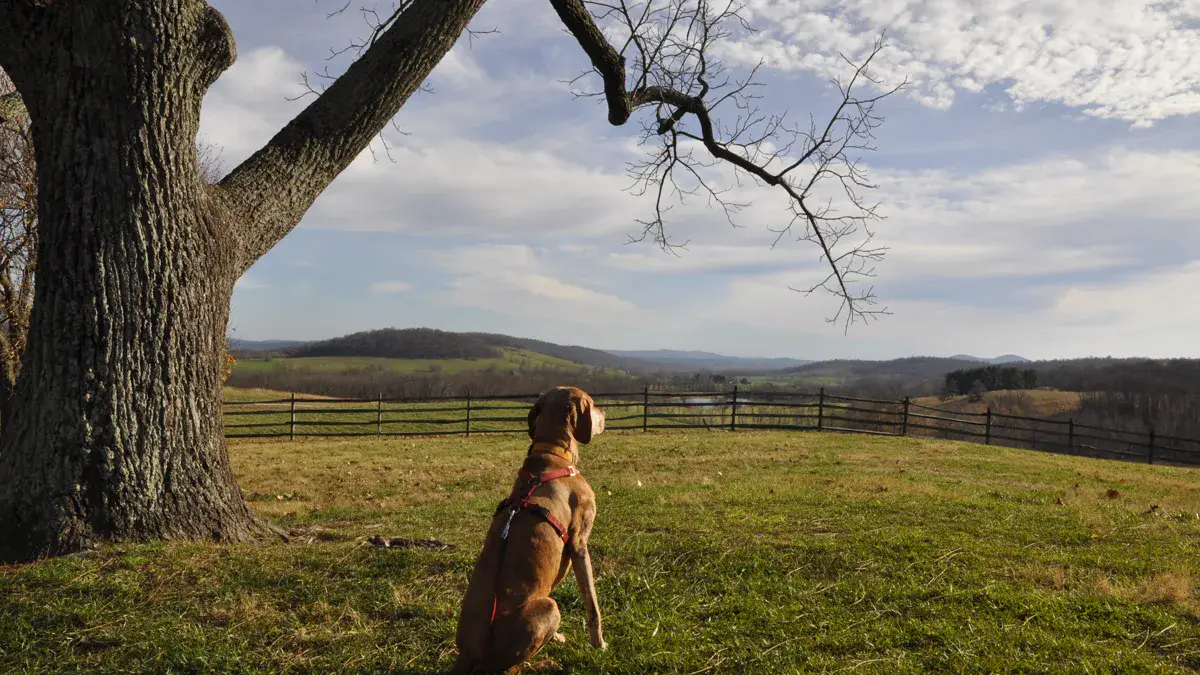
Where Is Hiking with Dogs Allowed on Public Lands?
Public land access for domestic canines varies by managing agency. National forests and Bureau of Land Management properties welcome dogs on nearly all recreation trails, typically requiring a physical six-foot lead. In contrast, the National Park Service restricts domestic pets to paved roads, campgrounds, and specific multi-use paths to protect sensitive fauna and alpine vegetation.
The distinction between public land designations surprises many novice hikers. National parks operate under conservation mandates that prioritize native wildlife protection and pristine resource preservation. Consequently, pets are barred from the vast majority of dirt hiking trails in parks such as Yosemite, Rocky Mountain, and Yellowstone. Check rules first. A few national park exceptions exist, including Shenandoah National Park and Acadia National Park, where selected trails welcome dogs on a six-foot leash, as published on National Park Service park pages (checked October 2026).
In contrast, the United States Forest Service manages national forests under a multiple-use mandate. Canines are permitted on thousands of miles of hiking trails across national forests, provided handlers maintain physical control. Wilderness areas within national forests may implement specific local constraints, particularly during wildlife breeding windows or in watershed preservation corridors. Bureau of Land Management lands follow similar permissive guidelines, though desert heat and sharp rock fields demand heightened vigilance from handlers. Stay watchful.
State parks maintain independent administrative rules. While state park systems in states such as Virginia and Pennsylvania allow pets on almost all hiking trails with standard leash compliance, systems in states such as California restrict dogs to paved surfaces in most units. Handlers should always examine the official website of the target park unit before leaving home to confirm active regulations on trails and parks.
| Land Management Agency | Trail Access Policy | Standard Leash Regulation | Regulatory Authority Source |
|---|---|---|---|
| National Park Service (NPS) | Restricted to developed areas, roads, and designated paved paths; barred from most backcountry trails. | Mandatory maximum 6-foot physical lead (36 CFR § 2.15). | National Park Service (checked October 2026) |
| U.S. Forest Service (USFS) | Permitted on most recreation trails; restricted in specific developed recreation sites and wilderness areas. | Physical leash required in developed areas; voice or physical control on trails (36 CFR § 261.16). | U.S. Forest Service (checked October 2026) |
| Bureau of Land Management (BLM) | Permitted across the vast majority of public range trails and primitive recreation parcels. | Physical leash required in developed recreation sites; reasonable control elsewhere (43 CFR § 8365.1-4). | Bureau of Land Management (checked October 2026) |
| State Park Systems | Varies by jurisdiction; extensive trail access in eastern states, restricted access in western coastal units. | Generally mandatory 6-foot physical lead across all trail networks. | Individual State Administrative Codes (checked October 2026) |
Source: National Park Service, U.S. Forest Service, and Bureau of Land Management Public Land Recreation Regulations (checked October 2026).
What Trail Gear Is Essential for Dog Safety?
Appropriate dog hiking gear includes a durable six-foot nylon or webbing leash, a padded ergonomic Y-harness with a rear traffic handle, a collapsible silicone bowl, and a canine-specific first aid roll. Handlers must avoid retractable cords, which lack breaking strength in rough terrain and present severe entanglement hazards on narrow mountain paths.
A well-constructed Y-shaped chest harness distributes pulling forces evenly across the dog’s ribcage and shoulders, avoiding cervical strain on steep ascents or rocky descents. Back-clip harnesses featuring an integrated top handle provide immediate mechanical leverage if an animal slips near a rock ledge or encounters unexpected trail hazards. Use sturdy clips. A flat collar remains necessary for displaying municipal rabies registration tags and handler contact information, but leashes should attach directly to the harness ring to protect the canine trachea.
Collapsible bowls constructed from food-grade silicone fold flat into daypacks and weigh under three ounces. Pack two bowls. Handlers should carry dedicated waste transport systems, such as airtight smell-proof pouches or hard-sided carrier tubes that secure to the outside of a backpack. Carrying these items forms the core of dependable dog hiking gear on any day hike.
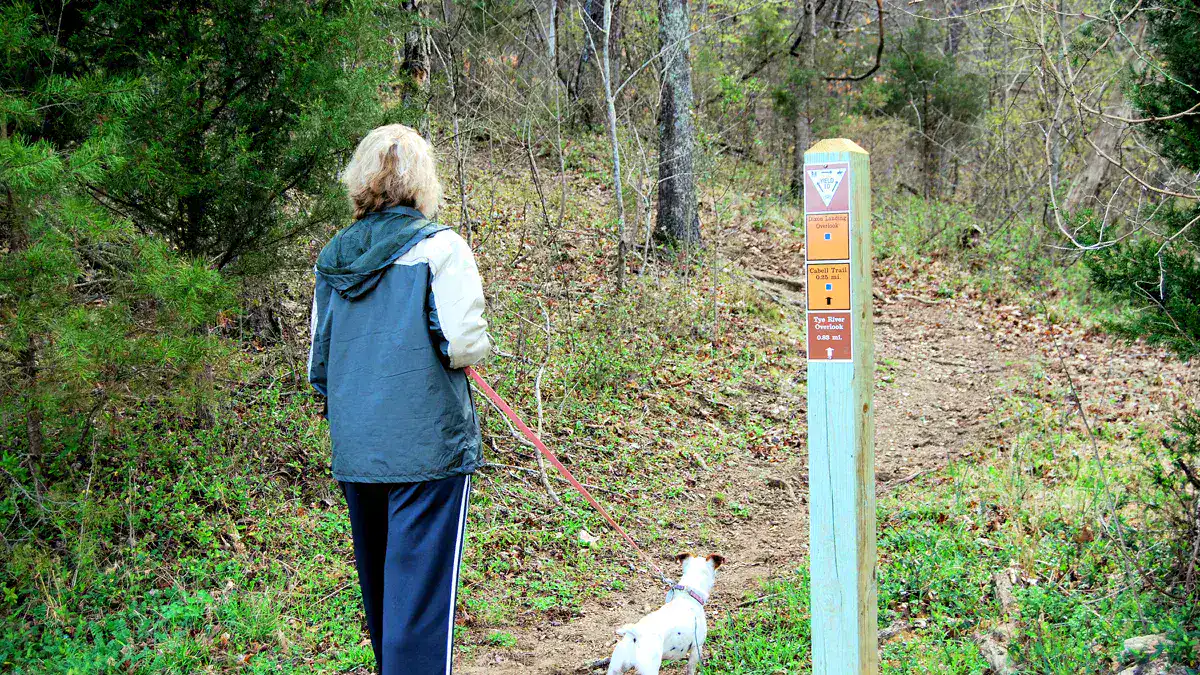
Backcountry first aid equipment must include cohesive flexible bandages, sterile saline solution for flushing debris from eyes, blunt-tipped curved trauma shears, tweezers for tick extraction, and protective canine boot wraps. While handlers should never attempt field diagnosis of complex injuries, having protective tape prevents minor pad abrasions from collecting dirt during the hike back to the trailhead. Be prepared. Any severe laceration, puncture, or joint swelling requires evaluation by a licensed veterinarian immediately upon returning from the wilderness.
How Much Water and Food Does a Dog Need on the Trail?
Canine hydration planning requires allocating one-half to one full ounce of water per pound of dog weight for every hour of moderate hiking activity. Active working canines lose substantial moisture through respiratory panting on steep grades. Handlers must carry all required water rather than relying on natural streams, alpine lakes, or stagnant standing puddles.
Natural water sources present biological hazards to domestic dogs. Stagnant pools in warm months harbor toxic blue-green algae, which produce lethal microcystin toxins capable of causing acute hepatic failure within hours of ingestion. Running alpine streams frequently carry protozoan parasites such as Giardia lamblia and Cryptosporidium, as well as bacterial pathogens including Leptospira. Waterborne organisms cause severe gastrointestinal distress and systemic disease in domestic canines.
To maintain hydration safely when hiking with dogs, offer fresh water every forty-five to sixty minutes, even if the animal does not actively solicit a drink. Stop often. Pour water into a dedicated clean bowl rather than encouraging the dog to drink directly from human hydration bladders. If an animal appears reluctant to drink during a warm trek, adding a splash of sodium-free meat broth can stimulate thirst.
Caloric requirements also escalate during backcountry movement. For day hikes extending past three hours, pack nutrient-dense, easily digestible canine snacks containing complex proteins and fats. Do not feed a large heavy meal immediately before or after vigorous physical exertion, as deep-chested breeds face an elevated risk of gastric dilatation-volvulus during intense activity. Feed small portions at regular rest intervals alongside steady hydration. Rest quietly.
What Are the Core Trail Etiquette Rules for Dogs?
Trail etiquette for dogs dictates yielding the right-of-way to ascending hikers, equestrians, and downhill mountain cyclists. Handlers must step off the trail on the downhill side, shorten the leash to eighteen inches, and instruct the dog to sit quietly until other trail users pass safely by.
The universal trail yield triangle establishes that hikers yield to horses, while cyclists yield to both hikers and horses. Yield early. When encountering equestrians, handlers should speak calmly to alert the rider to the dog’s presence, avoiding abrupt movements that could startle an unfamiliar horse. Stepping downhill ensures the dog does not appear larger or predatory against the horizon from the horse’s perspective.
Maintaining physical leash compliance represents the cornerstone of responsible trail stewardship. Off-leash dogs disrupt ground-nesting birds, provoke wildlife encounters with black bears or rattlesnakes, and frequently distress leashed animals that feel trapped when approached by an unrestrained dog. The Leave No Trace Center for Outdoor Ethics emphasizes that keeping domestic pets on a leash minimizes wildlife disturbance and prevents habitat fragmentation along delicate trail borders.
Managing canine waste requires strict adherence to Leave No Trace principles. Dog feces contain high concentrations of nitrogen, phosphorus, and non-native bacteria that pollute alpine watersheds and disrupt indigenous soil biology. Pack it out. Leaving filled plastic bags beside the trail with the intention of collecting them on the descent is unacceptable trail behavior. If wilderness regulations do not permit burying waste in a six-to-eight-inch cathole located at least two hundred feet from water sources, handlers must pack out all waste in sealed, puncture-resistant containers.
Which Warning Signs Signal It Is Time to Turn Around?
Critical turn-around signs include persistent panting with a widened brick-red tongue, uncharacteristic lagging behind the handler, seeking shade compulsively, glassy eyes, and lifting or licking foot pads. Any observation of these physiological warnings requires immediate cessation of the hike, resting in shaded shelter, and planning a controlled retreat.
Canines regulate body temperature primarily through evaporation across the tongue and nasal passages, as they possess functional sweat glands only on their foot pads. When ambient temperatures rise above seventy degrees Fahrenheit, or when high humidity impedes evaporative cooling, dogs struggle to dump metabolic heat. Heat exhaustion can progress rapidly to fatal heatstroke if handlers ignore subtle early indicators. Act swiftly.
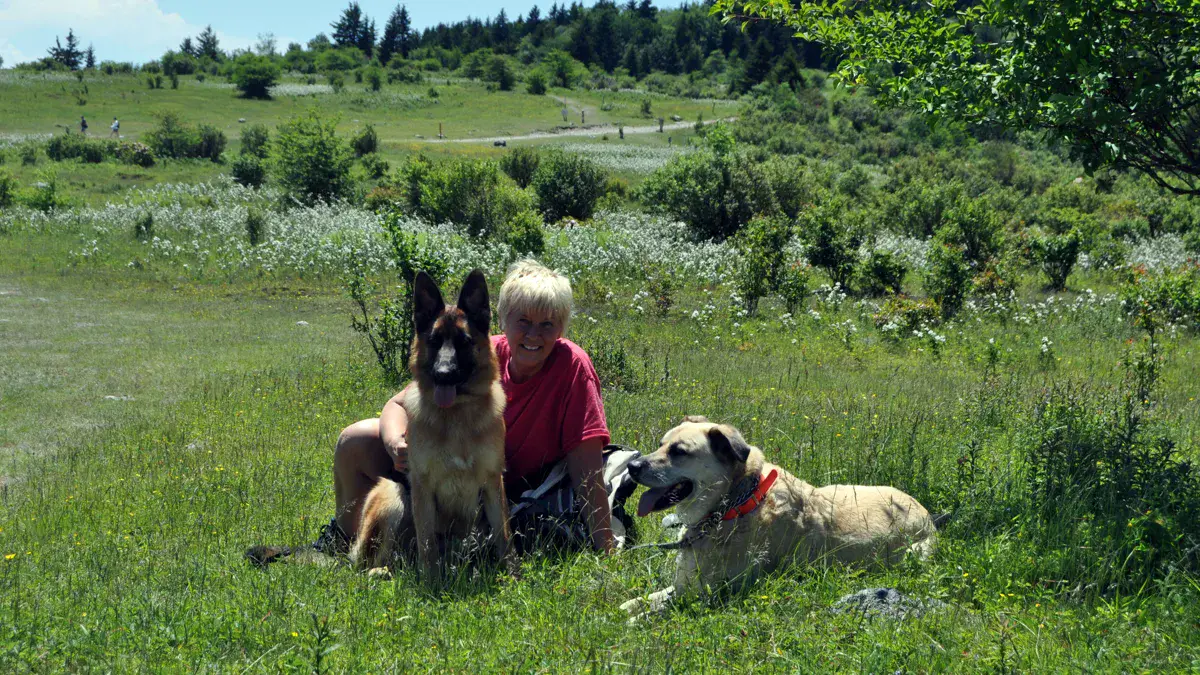
Paw pad damage represents another common cause of trail failure. Sharp granite talus, shale scree, volcanic basalt, and sun-baked bedrock abrade canine pads quickly. Check paws at every water stop for abrasions, deep fissures, or wedged gravel between toes. Examine pads closely. In grassy regions, inspect coat margins for foxtail grass awns, which burrow into paw webbing and ears, requiring surgical intervention if left unchecked.
The discipline of hiking with dogs involves putting animal safety ahead of summit ambitions. If an animal shows stiffness, stumbles on mild terrain, or refuses water, do not urge them forward. Never push past pain. Rest in cool shade, moisten their paws and groin with cool (never ice-cold) water, and return to the car at an easy pace. If symptoms of heat stress, disorientation, or severe limping persist, seek emergency care at a veterinary clinic without delay.
Trailhead Checklist Before Starting the Hike
Review this practical checklist at the vehicle before locking the doors and starting up the trail:
- Leash and Harness Inspection: Ensure the six-foot lead has an intact swivel clasp and the Y-harness fits securely without rubbing under the armpits.
- Identification and Paperwork: Verify that rabies tags and a microchip identification tag hang securely from the collar, and keep a digital photo of vaccination records on your phone.
- Water Verification: Confirm you carry at least one quart of clean potable water per twenty-five pounds of canine weight for a three-hour hike.
- Collapsible Dish: Ensure you have packed a lightweight bowl that is readily accessible without unpacking your entire rucksack.
- Waste Management Kit: Pack thick waste bags alongside an airtight, hard-sided transport container or dedicated smell-proof zip pouch.
- First Aid Essentials: Include cohesive flexible wrap, sterile saline flush, tick removal tweezers, and clean paw protection booties.
- Agency Compliance Check: Confirm that pet access on the specific trail segment is legal and permitted per the latest ranger station advisories.
Before you load the car
How far can a dog hike on their first mountain trail?
Beginner canines should start with short walks between two and three miles on flat or gently rolling dirt paths. Distance and elevation should increase by no more than ten to fifteen percent per week to allow paw pads and cardiovascular endurance to adapt safely.
Can dogs drink from mountain streams and natural creeks?
No. Natural water sources frequently harbor Giardia, Leptospira, and seasonal cyanobacteria toxins that cause acute gastrointestinal disease or organ damage. Handlers should always carry clean municipal tap water and dedicated bowls for their pets.
Why are dogs prohibited on most national park hiking trails?
The National Park Service excludes dogs from dirt trails to protect native wildlife from scent disturbance, prevent predator conflicts with bears and mountain lions, and preserve fragile vegetation alongside delicate alpine paths.
What should a handler do if a dog tears a paw pad on rocky terrain?
Rinse the pad with sterile saline, apply a clean non-stick dressing, and wrap with cohesive flexible bandage tape. Boot the foot to prevent further grit entry and hike back to the trailhead immediately to consult a licensed veterinarian.
Is a retractable leash acceptable on public hiking trails?
No. Retractable leashes violate the standard six-foot physical control regulations on public lands, fail under sudden shock loads, wrap around brush, and do not provide sufficient control during close encounters with wildlife or other hikers.
How we researched this guide: Park and trail rules are checked against official park and land-agency pages, which change often; health advice is left to veterinarians. The piece was drafted with AI help and edited by a writer.
Sources: National Park Service (nps.gov/subjects/pets), U.S. Forest Service (fs.usda.gov), Bureau of Land Management (blm.gov), Leave No Trace Center for Outdoor Ethics (lnt.org), and American Veterinary Medical Association (avma.org).