Shoreline advisory Finding authentic dog friendly lakes requires distinguishing designated human swim beaches from multi-use public shorelines. Safe lake swimming demands inspecting local environmental harmful algal bloom (HAB) advisory maps, fitting a certified flotation vest, and preventing pets from ingesting stagnant shoreline water.
Freshwater lakes offer outstanding warm-weather recreation for athletic dogs. Splashing through shallow coves and retrieving bumpers builds endurance without taxing joints. However, navigating public access regulations and aquatic biological hazards requires diligent advance preparation. Clean water protects health.
Many first-time visitors arrive at public parks only to discover strict municipal prohibitions barring pets from sandy beaches. Beyond administrative rules, late-summer water bodies frequently harbor toxic cyanobacteria blooms that threaten canine life within hours of exposure. Reviewing agency access policies, monitoring water quality maps, and implementing aquatic safety equipment ensures rewarding outings for both handler and dog.
- Designated Swim Beaches Ban Pets: Public parks almost universally exclude dogs from lifeguarded sandy swimming areas between Memorial Day and Labor Day.
- Primitive Shorelines Offer Legal Access: State forests, Bureau of Land Management parcels, and unimproved boat launches provide legitimate water entry.
- Cyanobacteria Toxins Are Lethal: Blue-green algae scums produce neurotoxins; any suspected water contact requires immediate veterinary intervention.
- Life Jackets Prevent Fatigue Drownings: High-buoyancy vests keep dogs afloat during sudden boat wakes, cold water cramps, and offshore exhaustion.
- Water Intoxication Is Preventable: Limit repetitive underwater retrieving to prevent dangerous electrolyte dilution from swallowed lake water.
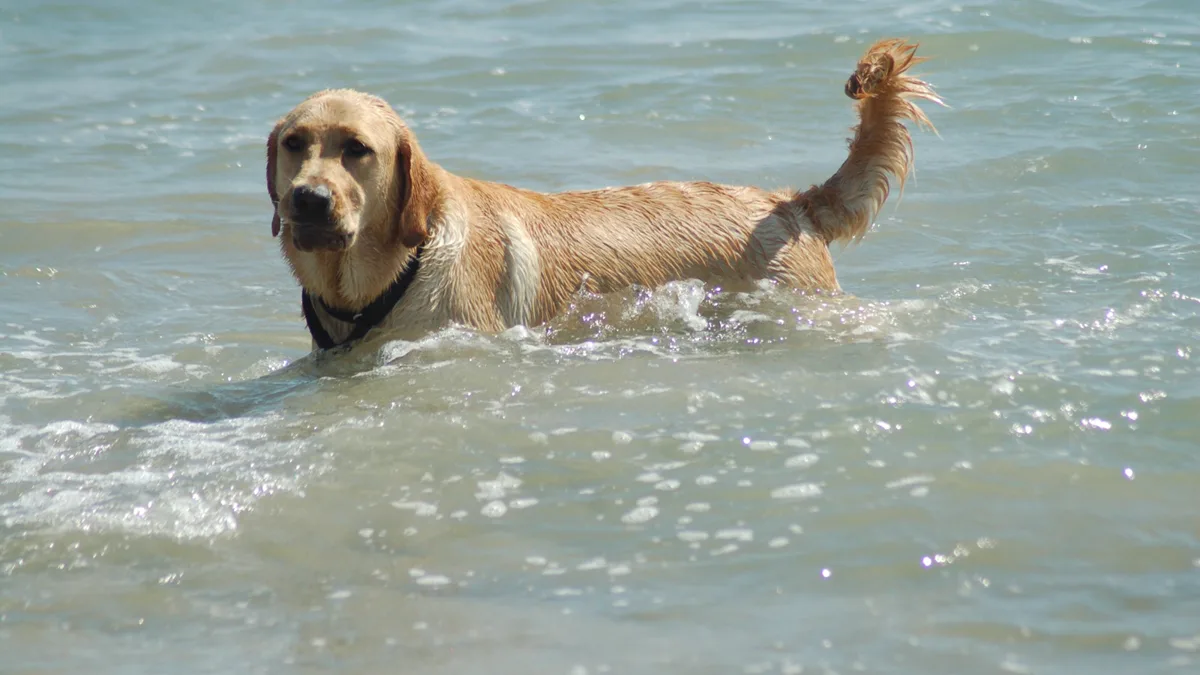
How Do Public Access Regulations Apply to Dog Friendly Lakes?
Recreational access for canines at freshwater water bodies is governed by layered municipal, state, and federal land-management policies. Understanding these jurisdictional boundaries prevents unexpected citations and ensures handlers visit compliant shoreline corridors.
State park systems generally enforce clear spatial separations. Developed swimming beaches featuring imported sand, designated swim buoys, and picnic pavilions almost universally prohibit domestic pets throughout the peak summer recreation season. Park agencies enforce these restrictions to preserve water sanitation, prevent territorial conflicts, and protect barefoot human swimmers. In contrast, primitive hiking trails running adjacent to natural shorelines frequently allow leashed canines to enter the water. Handlers should consult our directory of trails and parks regulations for foundational public land standards.
United States Forest Service (USFS) reservoirs and Bureau of Land Management (BLM) recreational impoundments offer the broadest access for swimming dogs, as detailed on United States Forest Service public recreation portals (checked November 2026). Unless explicitly posted as a municipal drinking water reservoir or protected wildlife nesting sanctuary, national forest shorelines permit dogs to swim under voice control or standard six-foot physical leashes.
Public boat ramps and kayak launches present a common gray area. While dogs are permitted to board watercraft from launching docks, lingering on busy launch ramps to play fetch obstructs trailered vessel operations and introduces severe propeller injury hazards. Always move at least one hundred yards downshore away from motorized boat traffic before allowing dogs into the water.
| Shoreline Zone Type | Typical Canine Permission | Standard Leash Requirement | Authoritative Regulatory Source |
|---|---|---|---|
| State Park Bathing Beach | Prohibited (Memorial Day to Labor Day) | Strictly banned on sand | State Department of Natural Resources (checked Nov 2026) |
| National Forest Shoreline | Permitted (Multi-use recreational zones) | Physical 6-foot lead or voice control | United States Forest Service (USFS) Regulations |
| Municipal Reservoir | Strictly Prohibited (Drinking supply) | Total pet exclusion within watershed | City Water Utility and Public Health Codes |
| Public Watercraft Launch | Transit Only (Boarding boats permitted) | Mandatory short physical lead | State Boating and Waterways Commissions |
| Designated Canine Beach Park | Fully Allowed (Fenced water access) | Off-leash permitted within boundary | County Parks and Recreation Departments |
Source: United States Forest Service Recreation Directives and National Association of State Park Directors Policies (checked November 2026).
What Are the Dangers of Blue-Green Algae Blooms for Dogs?
The most acute environmental threat at freshwater lakes during warm summer months is the proliferation of harmful cyanobacteria, commonly known as blue-green algae. These microscopic organisms multiply rapidly in stagnant, nutrient-rich, warm water, forming massive toxic surface blooms.
The Environmental Protection Agency (EPA) and the Centers for Disease Control and Prevention (CDC) issue extensive warnings regarding cyanotoxins, including microcystins and anatoxins (checked November 2026). These chemical compounds attack canine liver function and nervous systems with devastating speed. Dogs are uniquely vulnerable because they ingest toxic surface scums while swimming, lick green residue from their fur during post-swim grooming, or consume dried algae crusts along the water line.
Recognizing visual bloom characteristics is essential for every handler. Cyanobacteria blooms frequently resemble pea soup, spilled green or turquoise latex paint, thick floating scum, or bluish-green foam accumulated along leeward shores. However, clear-looking water can also harbor dangerous toxin levels if a recent bloom has begun decomposing. Always follow the fundamental public health rule: when in doubt, keep out.
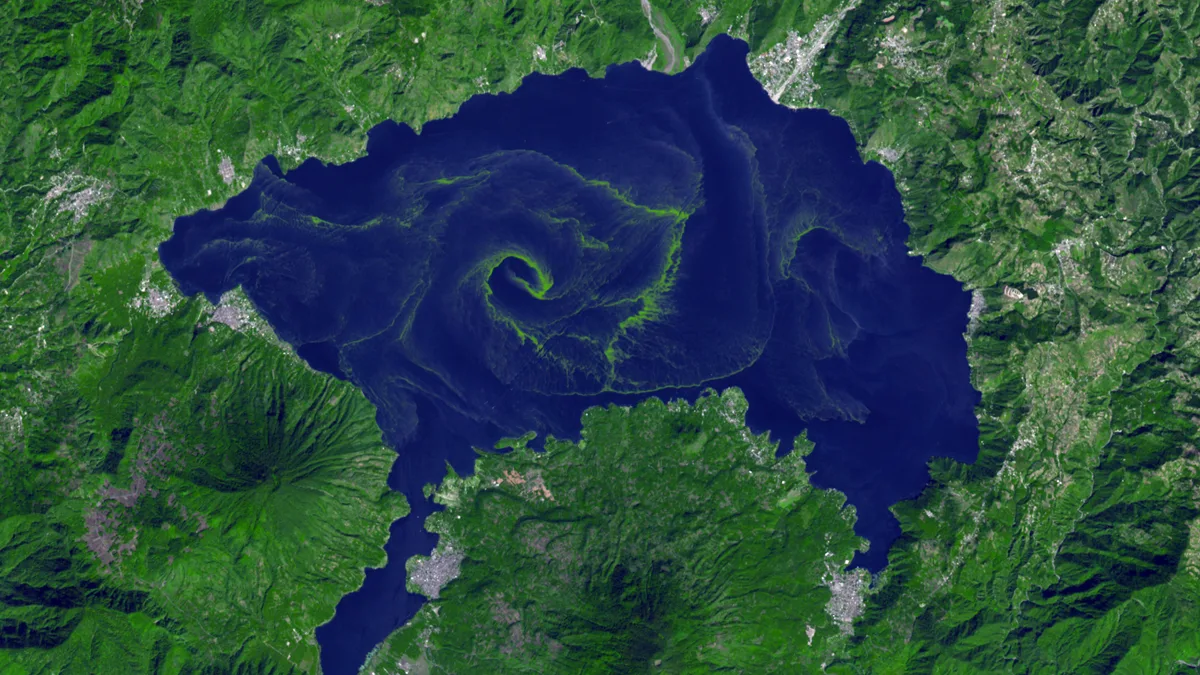
Before traveling to any freshwater destination, inspect state environmental protection or public health department Harmful Algal Bloom (HAB) surveillance dashboards. Many state agencies publish weekly interactive maps detailing cyanotoxin test results and active recreational advisories. If your dog comes into contact with suspicious water, immediately rinse the animal with clean potable water from an external source to prevent grooming ingestion and contact a licensed veterinarian immediately.
Which Safety Measures Protect Dogs During Lake Swimming?
Maintaining safety around deep water requires proactive risk management, physical monitoring, and specialized flotation gear. Even natural swimming breeds can encounter life-threatening aquatic emergencies.
Equipping your canine with a properly fitted life vest is the most effective way to prevent water-related fatalities. High-buoyancy canine flotation devices maintain horizontal body posture in the water, prevent fatigue during long swims, and feature bright reflective fabrics that ensure visibility to motorized boat operators. Specifically, a heavy-duty rescue handle located on the back panel allows handlers to haul a tired dog onto a boat deck or steep shoreline bank quickly. Review our comprehensive guide on dog life jacket safety standards for fitment specifications.
Water intoxication, or hyponatremia, represents another serious aquatic hazard during lake play. When a dog repeatedly retrieves toys from the water, it inadvertently swallows significant volumes of lake water. Excessive fluid intake dilutes blood sodium levels rapidly, leading to cellular swelling, lethargy, staggering, and neurological crises. Limit continuous fetch sessions in deep water to ten-minute intervals and use flat floating toys rather than absorbent tennis balls.
Inspect swimming access areas for sharp submerged debris, discarded fishing hooks, monofilament line, and submerged tree snags before encouraging pets to jump. Shoreline shallows frequently conceal broken glass and metal fragments that cause deep footpad lacerations. When combining water outings with trail hikes, review our essential tips for hiking with dogs on backcountry routes.
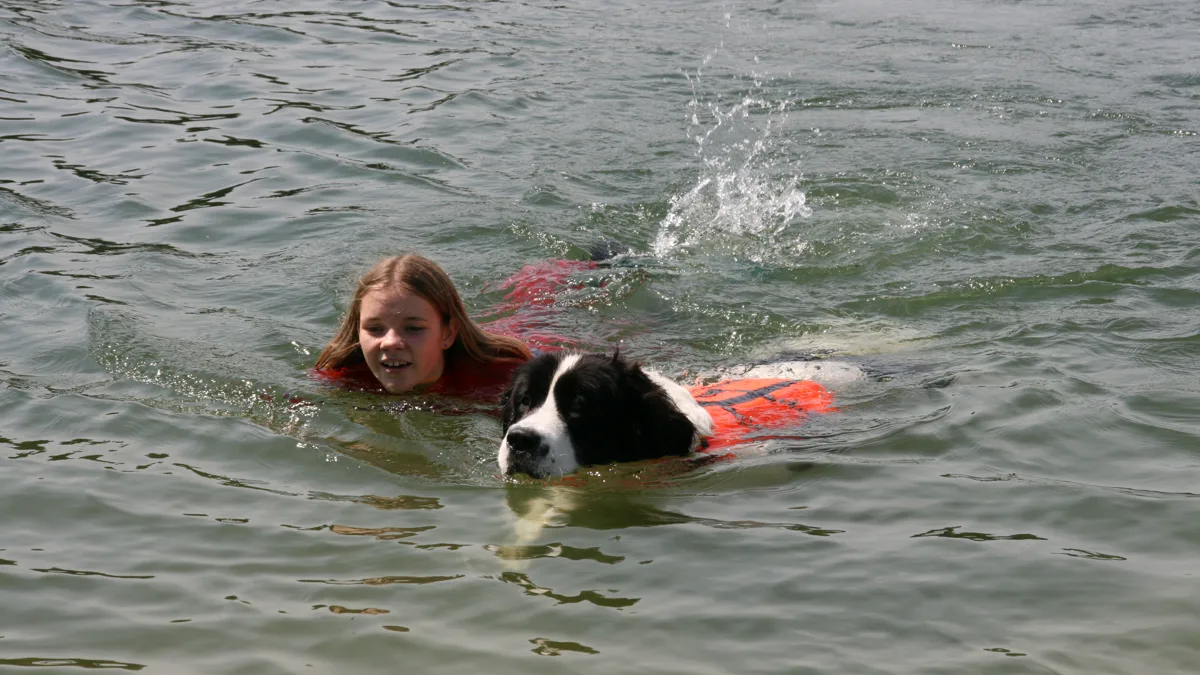
Parasite and pathogen awareness is equally important in warm freshwater environments. Stagnant shoreline shallows harbor waterborne parasites like Giardia and Cryptosporidium, as well as aquatic leeches and shoreline ticks. Always carry sufficient fresh drinking water in a portable bowl to prevent pets from quenching their thirst from stagnant lake pools.
Comparison of Public Lake Water Access Classifications
Evaluating the recreational profile and regulatory environment of different lake categories helps handlers select destinations matching their dog’s swimming ability and behavioral temperament.
| Lake Environment | Water Quality Risk | Boating Traffic Density | Recommended Equipment |
|---|---|---|---|
| Alpine Glacial Lake | Very Low (Cold, clear water; minimal algae) | Zero to Low (Non-motorized only) | Insulating towel, cold-water booties, 6-foot lead |
| Lowland Agricultural Reservoir | High (Warm, high agricultural nutrient runoff) | Moderate to High (Powerboats, jet skis) | High-visibility life vest, potable rinse water |
| State Forest Flowage / Pond | Moderate (Shallow depths, submerged tree stumps) | Low (Canoes, kayaks, trolling motors) | Flotation vest with handle, paw pad balm |
| Urban Community Lake | High (Urban stormwater runoff, waterfowl waste) | Low (Pedal boats, paddleboards) | Short lead, clean drinking water, antibacterial wash |
Source: National Water Quality Monitoring Council and Environmental Protection Agency Aquatic Recreation Guidelines (checked November 2026).
Six-Point Lakefront Recreation and Safety Checklist
- HAB Advisory Verification: Check state environmental agency bloom tracking maps online before departing home.
- Flotation Vest Fitment: Secure a bright, handle-equipped canine life vest around the chest and torso before approaching deep water.
- Potable Water Provision: Pack at least two liters of clean tap water and a collapsible bowl to prevent ingestion of lake water.
- Shoreline Hazard Sweep: Visually scan the water entry point for discarded fish hooks, broken glass, submerged roots, and fishing line.
- Ten-Minute Retrieval Limit: Enforce mandatory rest breaks between fetch sessions to prevent exhaustion and water intoxication.
- Post-Swim Rinse and Dry: Thoroughly wash the dog’s coat with clean water and dry ear canals completely to prevent bacterial infections.
Before you head to the water
Are dogs allowed on all public lake swimming beaches?
No. Most public state and county park swimming beaches explicitly prohibit dogs from designated sand areas during the summer recreation season. Handlers must seek out multi-use natural shorelines, national forest recreation areas, or dedicated dog beach parks.
What does toxic blue-green algae look like in a lake?
Blue-green algae typically appears as thick green or turquoise surface scum, floating mats resembling pea soup, or streaks looking like spilled paint along shorelines. Stagnant, foul-smelling water with visible surface foam should always be avoided.
Can a dog drown while swimming in calm lake water?
Yes. Dogs can drown due to rapid muscular exhaustion, unexpected boat wakes, cold water cramping, or becoming entangled in submerged branches and monofilament line. A fitted flotation vest provides essential buoyancy in all water depths.
What should I do if my dog swims in water with an algae bloom?
Rinse the dog immediately with clean, fresh water to prevent the animal from licking cyanobacteria toxins off its coat. Seek immediate emergency veterinary evaluation without delay, as cyanotoxins act rapidly on internal organs.
What causes water intoxication in swimming dogs?
Water intoxication occurs when a dog swallows excessive amounts of water while retrieving toys in deep water, diluting essential blood electrolytes. Limiting fetch games to short intervals and using flat floating bumpers prevents excess water ingestion.
Park regulations and water access rules are checked against official state natural resource departments and federal agency websites, which change often; toxicity diagnosis and medical care are left to licensed veterinarians. How We Researched This Guide: We consulted Environmental Protection Agency cyanobacteria guidelines, Centers for Disease Control and Prevention aquatic animal safety notices, and United States Forest Service recreation frameworks.